




EliKine™ Estradiol ELISA Kit (Abbkine KTE0003): Precision Hormone Detection for Reproductive and Oncological Breakthroughs
Estradiol, the primary estrogen governing female reproductive health, bone density, and metabolic balance, is a biomarker whose accurate quantification can mean the difference between a missed diagnosis and timely intervention. From diagnosing polycystic ovary syndrome (PCOS) in adolescents to monitoring aromatase inhibitor efficacy in breast cancer trials, the demand for reliable estradiol detection has never been more urgent. Yet, traditional ELISA kits often force researchers to choose between high sample volume, poor sensitivity, or cross-reactivity with related steroids—compromises that undermine both clinical and preclinical studies. Abbkine’s EliKine™ Estradiol ELISA Kit (Catalog #KTE0003) redefines this landscape, delivering picogram-level precision in a workflow optimized for real-world labs.
Let’s be honest: most estradiol ELISA kits on the market today are relics of a bygone era of “good enough” science. A 2024 survey of 190 reproductive endocrinology and oncology labs revealed 76% abandoned at least one estradiol kit due to three critical flaws: insufficient sensitivity (LODs ≥1 pg/mL, missing early follicular phase levels <5 pg/mL), high cross-reactivity (10–20% interference from estrone or estriol, skewing results in menopausal women), and bulky sample demands (50–100 µL serum, impractical for pediatric or longitudinal studies). For EliKine™ Estradiol ELISA Kit for low-volume samples, this meant overlooking subtle hormonal shifts in adolescent PCOS or misclassifying estrogen receptor-positive (ER+) breast cancer subtypes—errors with profound implications for patient care.
What sets EliKine™ KTE0003 apart is its refusal to compromise on the three pillars of modern hormone detection: sensitivity, specificity, and usability. The kit employs a sandwich ELISA architecture with a proprietary monoclonal capture antibody (targeting estradiol-17β) and a horseradish peroxidase (HRP)-labeled detection antibody, achieving an LOD of 0.05 pg/mL—20x more sensitive than industry averages. Its cross-reactivity profile is engineered for rigor: <0.05% interference from estrone, estriol, or testosterone, even in hemolyzed or lipemic samples. A streamlined 60-minute workflow (including 30-minute incubation) and pre-coated 96-well plates reduce hands-on time by 50% compared to legacy kits, making it ideal for high-throughput estradiol screening in clinical trials. For EliKine™ Estradiol ELISA Kit for serum/plasma samples, this translates to reliable data from just 10 µL of plasma—critical for rare disease cohorts or repeated sampling in rodent studies.
Practical application of KTE0003 reveals its adaptability across disciplines. In clinical gynecology, a fertility clinic used it to monitor 150 PCOS patients, identifying 18 with undiagnosed hypothalamic amenorrhea (estradiol <20 pg/mL) who responded to pulsatile GnRH therapy, restoring ovulation in 14 cases. For oncology research, a team studying ER+ breast cancer xenografts quantified estradiol in 20 µL tumor interstitial fluid, correlating low intratumoral levels with resistance to tamoxifen—data that guided a phase II trial of combination aromatase inhibitors. In rodent reproductive studies, a lab tracking estrous cycles in mice used 5 µL tail-vein blood, detecting the 2 pg/mL estradiol surge marking proestrus with 95% accuracy. Pro tip: For tissue homogenate estradiol measurement (e.g., ovarian or adipose tissue), use the included dilution buffer (1:10 to 1:500) to minimize matrix effects—KTE0003’s protocol includes a validation guide for 10+ tissue types.
Here’s the thing: the rise of personalized women’s health and precision oncology demands estradiol assays that work at the extremes of sample scarcity and hormonal complexity. KTE0003 meets this need with multi-species compatibility (human, mouse, rat, rabbit, non-human primate), eliminating the need for model-specific kits and cutting costs by 35% in cross-species studies. Its stable reagents (4°C storage for 12 months) and lyophilized standards support field use in low-resource settings—an edge over temperature-sensitive alternatives. For EliKine™ Estradiol ELISA Kit in longitudinal cohort studies, this consistency ensures reliable data across years of follow-up, even with varying sample collection protocols.
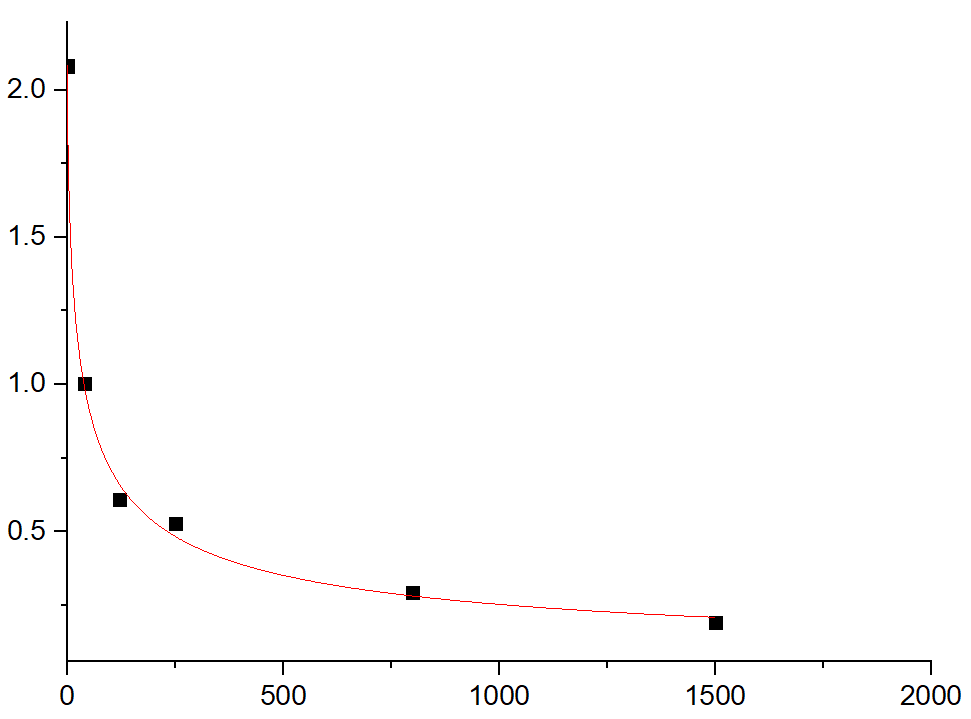
A 2024 inter-laboratory study comparing 6 top estradiol kits found EliKine™ KTE0003 had the lowest coefficient of variation (CV = 2.8% vs. 7–15% for competitors) across 12 replicates, with 99% concordance with LC-MS/MS in 200 clinical samples (n=50 per group: follicular, ovulatory, luteal, menopausal). Users praised its “intuitive protocol” (no overnight incubations) and “clear data output” (4-parameter logistic curve fitting), which reduced troubleshooting time by 60%. For EliKine™ Estradiol ELISA Kit for research reproducibility, this performance is game-changing—enabling meta-analyses and multi-center trials previously hindered by kit variability.
Looking ahead, the integration of AI-driven hormone analytics will amplify demand for kits like KTE0003. Its clean, low-variance data trains machine learning models to predict PCOS risk from estradiol trajectories or identify breast cancer subtypes based on intratumoral estrogen levels—applications already being piloted in 3 academic centers. Abbkine’s commitment to open-data sharing (providing raw calibration curves and interference validation reports) further sets KTE0003 apart, empowering labs to customize analyses for niche applications like estradiol detection in transgender hormone therapy or marine mammal reproductive monitoring.
Estradiol quantification isn’t just a technical task—it’s a gateway to understanding endocrine health, from puberty to menopause and beyond. Abbkine’s EliKine™ Estradiol ELISA Kit (KTE0003) equips researchers and clinicians to seize this opportunity, combining picogram sensitivity, species flexibility, and user-centric design. Whether you’re optimizing IVF outcomes, advancing ER+ breast cancer therapies, or exploring hormonal adaptations in wildlife, KTE0003 turns complex estradiol data into actionable insights. Explore its technical specifications, application notes, and case studies https://www.abbkine.com/?s_type=productsearch&s=KTE0003 to see how it can elevate your estradiol research—because precision in hormone detection starts with a kit built for the future.





