




Deciphering Metabolic Flux: The Critical Role of Acetyl-CoA Carboxylase Quantification
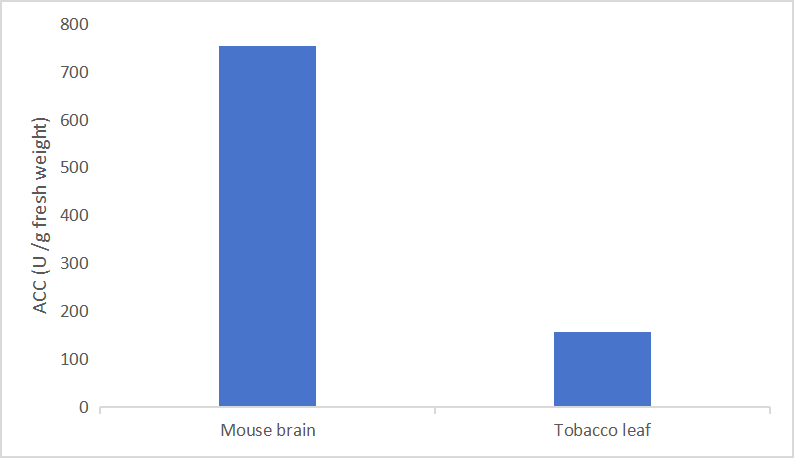
In the tightly regulated landscape of cellular metabolism, Acetyl-CoA Carboxylase (ACC) operates as the fundamental gateway enzyme. It catalyzes the ATP-dependent carboxylation of acetyl-CoA to form malonyl-CoA, committing carbon units irreversibly toward de novo lipid synthesis. Beyond its anabolic role, malonyl-CoA serves as a potent inhibitor of fatty acid oxidation, positioning ACC at a critical metabolic decision point that balances energy storage and utilization. Consequently, the enzymatic activity of ACC is not merely a biochemical parameter but a dynamic indicator of cellular metabolic state, intimately linked to conditions ranging from obesity and non-alcoholic fatty liver disease (NAFLD) to the metabolic reprogramming observed in aggressive cancers.
Historically, assessing ACC activity presented significant methodological challenges that hampered routine analysis. Conventional assays often relied on the indirect measurement of incorporated radiolabeled bicarbonate, introducing complexities related to safety, specialized waste disposal, and limited suitability for high-throughput screening. Alternative approaches faced issues with sensitivity or susceptibility to interference from other cellular components in complex lysates. This created a clear demand for a robust, non-radioactive, and microplate-friendly ACC activity assay capable of delivering reliable data from biologically relevant samples, such as liver or adipose tissue homogenates and cultured cell extracts.
The CheKine™ Micro Acetyl-CoA Carboxylase (ACC) Activity Assay Kit (Abbkine, KTB1261) addresses this need through an elegantly designed enzymatic coupling strategy. This assay kit directly quantifies ACC activity by measuring the consumption of acetyl-CoA in the carboxylation reaction. The downstream reaction sequence generates a colorimetric product with strong absorbance, proportional to the enzymatic activity present. The optimized reagent system ensures linear kinetics and minimizes background, which is crucial for obtaining accurate ACC activity measurements in samples where the enzyme may be present at moderate levels or in a partially inhibited state.
From a practical research perspective, the utility of a reliable ACC activity detection kit extends across multiple disciplines. In metabolic disease research, it enables the direct functional assessment of how nutritional interventions, hormonal signals (like insulin), or therapeutic candidates modulate this key regulatory enzyme. In oncology, where upregulated lipogenesis is a hallmark of many tumors, this assay provides a direct tool to measure the functional output of ACC, often downstream of oncogenic drivers like PI3K/AKT and SREBP1. This moves research beyond correlative protein expression data to a direct functional ACC enzymatic activity readout, strengthening mechanistic conclusions.
When evaluating the current landscape of metabolic assay solutions, the availability of a specialized, accessible ACC activity kit fills a notable gap. It empowers a broader range of laboratories to incorporate precise metabolic flux analysis into their research without relying on complex instrumentation. The microplate format of this ACC activity analysis kit facilitates the comparison of multiple experimental conditions, which is essential for dose-response studies or phenotypic screening. This aligns with the growing trend towards functional metabolomics, where understanding enzyme kinetics is as important as profiling metabolite pools.
In summary, the precise measurement of Acetyl-CoA Carboxylase activity is indispensable for advancing our understanding of metabolic regulation and its dysregulation in disease. The CheKine™ Micro ACC Activity Assay Kit offers a validated, user-friendly platform to obtain this critical data, bridging the gap between molecular signaling and functional metabolic output. For research focused on lipid metabolism, bioenergetics, or metabolic aspects of disease pathophysiology, this tool provides a definitive means to quantify a central metabolic control point. Researchers can access complete protocol and specification details via the product link: CheKine™ Micro Acetyl CoA Carboxylase (ACC) Activity Assay Kit - KTB1261.





