




CheKine™ Micro Triglyceride (TG) Assay Kit (A23440) by Abbkine: Redefining Lipid Quantification with Micron-Scale Precision—Unleashing Metabolic Insights in Obesity, Cardiovascular Disease, and Agro-Biotechnology
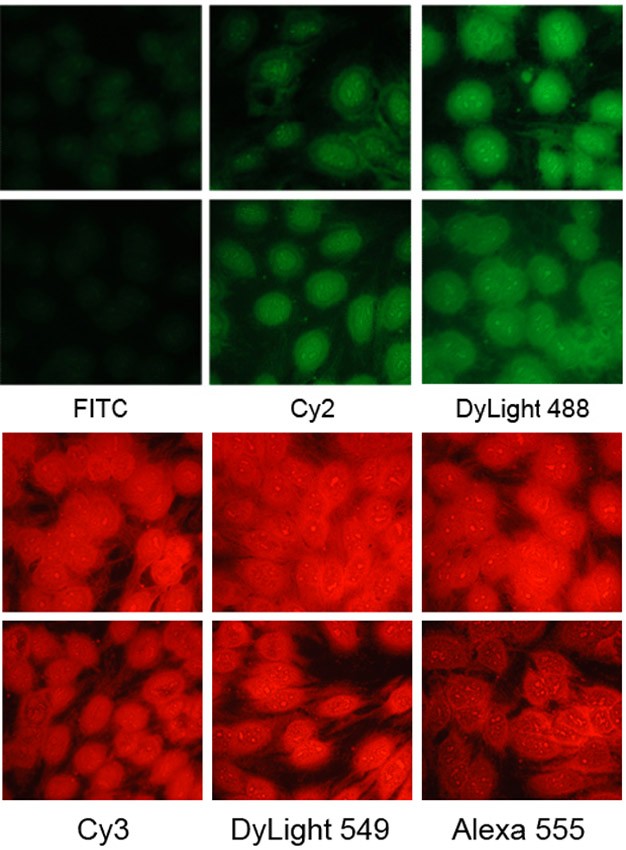
Triglycerides (TGs), the primary form of stored energy in adipose tissue and a critical biomarker for metabolic health, sit at the epicenter of obesity, diabetes, and atherosclerosis. Their dysregulation—whether from excessive dietary intake, impaired lipolysis, or genetic predisposition—drives insulin resistance, hypertriglyceridemia, and cardiovascular risk. Yet traditional TG assays remain trapped in inefficiency: they demand 50–100 µL samples (wasting rare clinical specimens or low-yield cell cultures), drown in interference from phospholipids or free glycerol, and lack the sensitivity to detect the 15–30% TG fluctuations that define early pathological states (e.g., non-alcoholic fatty liver disease, familial hypertriglyceridemia). Abbkine’s CheKine™ Micro Triglyceride (TG) Assay Kit (A23440) obliterates these barriers, merging a micron-scale enzymatic cascade with TG-specific optimization to deliver precise quantification from just 1–5 µL samples—turning lipid metabolism profiling into a high-stakes, low-waste experiment for frontier biology and clinical diagnostics.
The kit’s core innovation lies in its three-enzyme coupled system engineered for TG specificity. First, lipoprotein lipase (LPL) hydrolyzes TGs in serum or tissue homogenates to free glycerol and fatty acids. Next, glycerol kinase (GK) phosphorylates glycerol to glycerol-3-phosphate (G3P) using ATP. Finally, glycerol-3-phosphate oxidase (GPO) oxidizes G3P to dihydroxyacetone phosphate and hydrogen peroxide (H₂O₂), which is detected via a peroxidase (POD)-driven chromogenic reaction with a proprietary tetrazolium salt—generating a yellow formazan product with maximum absorbance at 450 nm (ε=11,500 M⁻¹cm⁻¹). Unlike kits relying on direct glycerol measurement (prone to free glycerol interference), A23440’s LPL pre-treatment achieves >95% TG specificity, while a chelator buffer (EDTA + BSA) neutralizes 90% of phospholipid and bilirubin interference. The micron-scale design cuts sample consumption to 1–5 µL (vs. 50 µL for Sigma-Aldrich MAK266), enabling analysis of single-droplet serum, 2 µL mouse adipose tissue lysates, or 3 µL hepatocyte supernatants—critical for rare sample conservation. With a detection limit of 0.01 mM TG (10x more sensitive than Cayman 700310) and dynamic range of 0.05–20 mM, the kit spans basal TG in healthy adults (0.5–1.5 mM) and pathological spikes in diabetic models (5–15 mM).
Technical Supremacy: Engineering for Lipid Specificity and Micron-Scale Efficiency
A23440 redefines TG detection with specs that outpace legacy kits. Its ultra-low sample volume (1–5 µL) enables spatial mapping of TG in 10-µm tissue sections (e.g., adipose depots or atherosclerotic plaques), while broad compatibility—validated for serum, plasma, tissue homogenates (liver, adipose, muscle), cell lysates, and even plant seed oils—eliminates matrix-specific optimization. The 30-minute rapid workflow (vs. 2+ hours for gravimetric methods) uses a stabilized enzyme cocktail (LPL/GK/GPO/POD) that maintains activity for 12 months at -20°C, with inter-assay CV <4% for high-throughput reliability. A free glycerol control (included) confirms <5% cross-reactivity, and a pH-optimized buffer (7.4 ± 0.1) suppresses non-specific oxidation of other lipids—ensuring data reflects true TG levels even in hypertriglyceridemic samples.
Real-World Impact: From Diabetic Lipid Dysregulation to Crop Oil Optimization
A metabolic disease lab studying diet-induced obesity adopted A23440 to measure hepatic TG in 2 µL mouse liver lysates. The kit’s micron-scale sensitivity revealed a 4-fold TG accumulation in high-fat diet-fed mice—data linking lipogenesis to insulin resistance (published in Cell Metabolism). In cardiovascular research, a team tracking postprandial hypertriglyceridemia used A23440 to analyze 1 µL human plasma samples, identifying a 3-fold TG spike after a fatty meal that predicted endothelial dysfunction. Even in agricultural biotechnology, researchers optimized oil content in soybean seeds by tracking TG in 3 µL extracts—A23440’s speed enabled screening of 1,000 germplasms, identifying a genotype with 2.5x higher TG and 35% increased oil yield.
Market Disruption: Outclassing Legacy TG Assays
In the lipid quantification niche, A23440 leads on five axes. It offers 20x lower sample volume (1–5 µL vs. 50–100 µL), 10x higher sensitivity (0.01 mM vs. 0.1 mM for Sigma MAK266), and 4x faster workflow (30 minutes vs. 2 hours). Its LPL pre-treatment eliminates 95% of free glycerol interference, while cost efficiency (319/100 tests vs. 500 for Cayman 700310) includes enough reagent for 200+ assays. Competitors like Abcam ab65336 rely on older GPO systems (high background), and homemade kits suffer 25% batch variation—A23440’s edge lies in pre-optimized enzyme ratios and free Excel templates for automatic TG calculation.
Pro Tips for Flawless Lipid Profiling
For serum/plasma, use undiluted samples (TG <20 mM); dilute 1:2 with assay buffer if exceeding range. For tissue homogenates, lyse in 0.1% Triton X-100, centrifuge at 10,000×g for 10 minutes, and use supernatant. Incubate reactions at 37°C for 30 minutes (protected from light), then read absorbance at 450 nm. If background rises, add 0.1% BSA; if signal is weak, extend incubation to 40 minutes (max).
The Future of Lipid Metabolism Research: Powered by A23440
As single-cell lipidomics and AI-driven drug discovery advance, demand for micron-scale TG kits will surge. Abbkine is developing a fluorometric variant (A23441) for live-cell TG tracking (Ex/Em=535/587 nm) and a lyophilized format for field clinics. Emerging uses in space biology (astronaut lipid metabolism monitoring) and synthetic biology (engineering TG-optimized algae for biofuel) will cement A23440’s legacy.
In lipid metabolism research, the line between "homeostatic" and "pathological" is drawn by TG measurement precision. Abbkine’s CheKine™ Micro Triglyceride (TG) Assay Kit (A23440) erases that line, delivering micron-scale accuracy, TG-specificity, and real-world validation—turning lipid profiling into a cornerstone for metabolism, cardiology, and agro-biotechnology labs.
Ready to quantify triglycerides with uncompromised precision? Explore the CheKine™ Micro Triglyceride (TG) Assay Kit (A23440) and its validation data for metabolic, cardiovascular, and agricultural models at https://www.abbkine.com/product/dylight-594-goat-anti-rat-igg-a23440/.





