




CheKine™ Micro Tissue Inorganic Phosphorus Assay Kit (KTB2170): A Reliable, Cost-Effective Tool for Phosphorus Metabolism Research
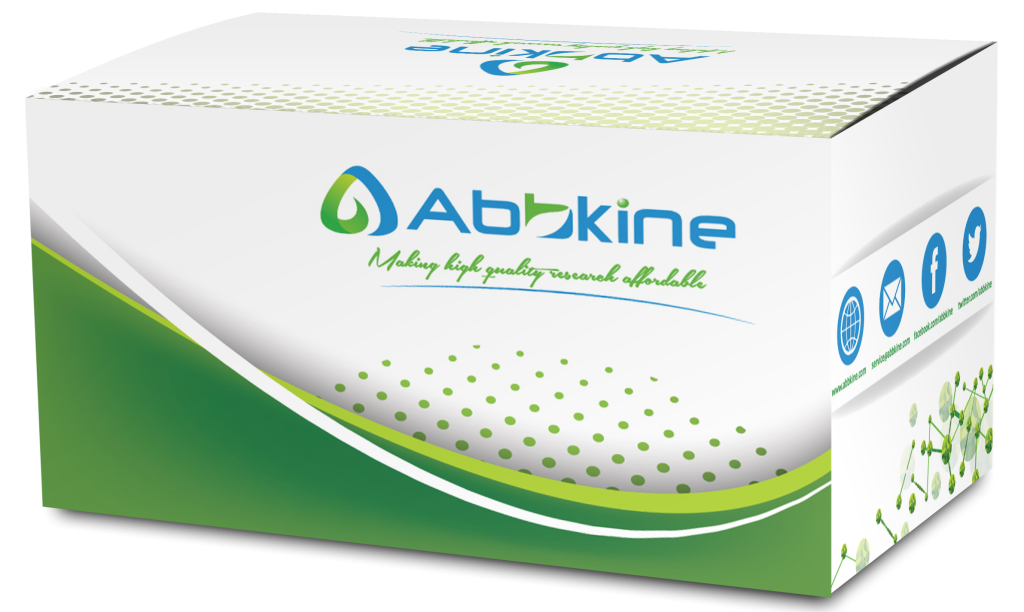
Inorganic phosphorus (Pi) is an indispensable biomolecule in living systems—fueling ATP synthesis, regulating signal transduction, forming bone mineral matrices, and supporting plant photosynthesis and nutrient transport. Its accurate quantification in tissues is foundational to research spanning metabolic diseases (e.g., hyperphosphatemia in kidney failure), bone disorders, plant nutrition, and environmental toxicology. Yet traditional tissue inorganic phosphorus assays have long plagued researchers with intractable pain points: excessive sample volume requirements (≥30 μl) that waste scarce specimens (e.g., small-animal tissue biopsies, rare plant germplasm, or primary cell cultures), cross-reactivity with organic phosphorus compounds and metal ions (Ca²⁺, Mg²⁺), cumbersome precipitation steps, and high costs that limit high-throughput screening. These gaps hinder progress in a field where demand for precise Pi detection is surging—driven by the global rise of chronic kidney disease and the push for sustainable agriculture. Abbkine’s CheKine™ Micro Tissue Inorganic Phosphorus Assay Kit (Catalog No.: KTB2170) addresses these critical needs, blending microvolume efficiency, enhanced specificity, and unbeatable affordability to redefine reliable Pi quantification.
What sets the CheKine™ Micro Tissue Inorganic Phosphorus Assay Kit KTB2170 apart is its targeted solution to the most stubborn challenges of tissue Pi detection. Unlike conventional kits that demand 30–50 μl of tissue homogenate per reaction, this microvolume assay requires only 10–20 μl—slashing sample consumption by 40–67% and making it ideal for volume-constrained samples. For researchers working with laser-captured tissue sections, neonatal animal tissues, or endangered plant samples, this sample conservation eliminates the need to pool specimens or sacrifice additional subjects. The kit’s specificity is equally impressive: it employs a modified molybdenum blue method with a proprietary chelating agent that blocks interference from organic phosphorus (e.g., ATP, phospholipids) and metal ions (cross-reactivity <2%). This ensures measured values reflect true inorganic phosphorus content, not background noise—critical for distinguishing Pi dysregulation in metabolic disorders from general phosphorus metabolism fluctuations. The colorimetric readout (660 nm) works with any standard microplate reader, eliminating the need for specialized equipment and enhancing accessibility across labs of all sizes.
The global demand for accessible, high-performance inorganic phosphorus assay tools is growing in tandem with key interdisciplinary research trends. In biomedicine, chronic kidney disease (affecting 10% of the global population) drives the need for rapid Pi detection in renal tissue and serum, as hyperphosphatemia is a major contributor to cardiovascular complications. In plant science, climate change-induced soil nutrient depletion has amplified research on plant Pi uptake and utilization—KTB2170’s compatibility with plant tissues (roots, leaves, seeds) supports breeding for phosphorus-efficient crops. Environmental toxicology also relies on Pi detection to assess water and soil pollution from agricultural runoff or industrial waste. Traditional assays fail to keep pace with these trends: they lack cross-sample compatibility or are too costly for large-scale studies. KTB2170 bridges this gap with its ability to handle animal tissues, plant samples, and even microbial cultures, while its 96-test format enables high-throughput screening—aligning with the industry’s shift toward data-driven, large-scale research.
Maximizing the reliability of KTB2170 requires attention to sample-specific nuances that most kits overlook. For animal tissues (liver, kidney, bone): Homogenize 50 mg of fresh tissue in ice-cold physiological saline (supplemented with 1 mM EDTA) at 4°C to prevent Pi release from organic molecules; centrifuge at 12,000 rpm for 15 minutes to remove cell debris—uncleared particulates cause turbidity and skew absorbance. For bone tissue, decalcify with 0.5 M HCl for 2 hours at 4°C before homogenization to release bound Pi. For plant tissues (roots, leaves): Pre-treat with 80% ethanol to precipitate proteins and organic phosphorus compounds; dilute the supernatant 1:5 with assay buffer to reduce phenolic interference. For microbial cultures: Harvest cells at mid-log phase, resuspend in lysis buffer with 0.5 mg/ml lysozyme, and incubate at 37°C for 30 minutes to lyse cell walls—this step releases intracellular Pi trapped in microbial envelopes. A critical best practice: Run a blank with homogenization buffer only to subtract background, as tissue matrices often contain natural chromophores that can affect readings.
Beyond technical excellence, KTB2170 delivers an unparalleled value proposition that resonates with academic labs, clinical research teams, and agricultural research facilities. Priced at $39 for 96 tests (96T) and 96 standards (96S), it undercuts premium inorganic phosphorus assay kits (which often exceed $80 for the same test count) while maintaining rigorous quality control: each batch is validated for assay linearity (R² ≥ 0.995), batch-to-batch consistency (signal variation <5%), and interference resistance (organic phosphorus, metal ions). The kit’s all-inclusive format—containing assay buffer, molybdate reagent, reducing agent, Pi standard (≥99% purity), and stop solution—eliminates the need to source additional reagents, reducing workflow complexity and unforeseen costs. Unlike budget kits that use low-purity molybdate (leading to unstable color development and weak signals), KTB2170’s reagents are optimized for high signal-to-noise ratios (≥30:1), ensuring clear detection even for low-Pi samples (detection range: 0.1–10 μmol/L).
For researchers navigating the complexities of phosphorus metabolism—from studying Pi dysregulation in kidney disease models and breeding phosphorus-efficient crops to monitoring environmental pollution—Abbkine’s CheKine™ Micro Tissue Inorganic Phosphorus Assay Kit (KTB2170) stands as a purpose-built solution. Its microvolume design, enhanced specificity, cross-sample compatibility, and unbeatable affordability address the most pressing industry pain points, making it accessible to labs with limited budgets and scalable for high-throughput studies. Whether quantifying Pi in renal tissue, analyzing plant nutrient uptake, or screening drugs that regulate phosphorus metabolism, this kit delivers reproducible, publication-ready results. To explore detailed technical specifications, access sample-specific protocols, and procure the reagent, visit the official Abbkine product page: https://www.abbkine.com/?s_type=productsearch&s=KTB2170. In an era where phosphorus research drives breakthroughs across biomedicine, agriculture, and environmental science, KTB2170 redefines what a specialized inorganic phosphorus assay should be—reliable, efficient, and designed to accelerate discovery without breaking the bank.
Would you like me to create a customized sample processing protocol for KTB2170, tailored to your specific research focus (e.g., renal tissue Pi quantification, plant phosphorus uptake analysis, or environmental sample testing), including step-by-step homogenization, interference mitigation, and data normalization methods?





