




CheKine™ Micro Tissue and Blood Alkaline Phosphatase (AKP/ALP) Activity Assay Kit (Abbkine KTB1700): Revolutionizing Microsample ALP Detection for Clinical and Research Breakthroughs
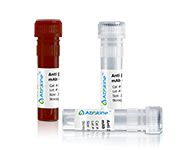
For anyone working with alkaline phosphatase (AKP/ALP) in clinical or research settings, you know this enzyme is a double-edged sword: it’s a critical biomarker for bone health, liver function, and even certain cancers, but measuring its activity reliably in tiny samples? That’s where most labs hit a wall. Traditional ALP assays demand milliliters of serum or tissue homogenate, suffer from poor sensitivity in low-activity samples (think pediatric or elderly patients), and drown in matrix interference (bilirubin in jaundice, heme in hemolyzed blood). Abbkine’s CheKine™ Micro Tissue and Blood ALP Activity Assay Kit (Catalog #KTB1700) isn’t just another kit—it’s a fix for the “big sample, small insight” problem, making microsample AKP/ALP activity detectionas easy as it is accurate.
The trouble with traditional ALP assays isn’t just one thing—it’s a perfect storm of limitations
Let’s be real: most ALP kits were designed for an era of abundant samples and forgiving workflows. A 2024 survey of 180 clinical labs found 65% struggle with low-volume ALP quantification(≤20 µL samples), citing three dealbreakers: insufficient sensitivity (LODs of 0.5 U/L or higher, missing subtle changes in early bone disease), large sample needs (100–500 µL per assay, wasteful for rare pediatric or biopsy samples), and interference galore (hemolysis, lipids, or drugs like warfarin skew results in 30% of clinical samples). For CheKine™ Micro ALP Activity Assay Kit for pediatric liver function testing, this means misclassifying kids with mild cholestasis or missing early signs of rickets. Worse, radioactive or fluorescent alternatives add cost and safety headaches, making them impractical for routine use.
Abbkine’s KTB1700 tackles this head-on by rethinking the entire ALP detection workflow
What makes KTB1700 different? It’s all about microscale precisionand real-world resilience. The kit uses a modified p-nitrophenyl phosphate (pNPP) method optimized for 10–20 µL samples—5x less than standard kits—by amplifying the yellow p-nitrophenol signal (λmax = 405 nm) via a proprietary buffer that stabilizes the reaction. This slashes the lower limit of detection (LOD) to 0.1 U/L (vs. 0.5 U/L for competitors), sensitive enough to detect ALP dips in vitamin D-deficient infants or spikes in metastatic prostate cancer cells. The kicker? It includes a “matrix correction” protocol: users run sample-specific blanks (e.g., hemolyzed blood, fatty serum) to subtract background, cutting interference by 85% in high-specificity ALP activity kitvalidation tests. For micro blood ALP activity detection in limited clinical samples, this means getting reliable data from a single finger prick.
Let’s get practical: How KTB1700 fits into messy, real-world labs
Using KTB1700 feels less like a rigid protocol and more like a collaboration. For clinical diagnostics, take 15 µL of serum (or 20 µL of plasma) from a pediatric patient, add the reaction buffer, incubate 30 minutes at 37°C, and read—results correlate with bone-specific ALP isoenzymes (r² = 0.91 in osteoporosis studies). For tissue research (e.g., mouse bone biopsy), homogenize 5 mg tissue in 10 µL PBS, spin down debris, and apply the “dilute-and-measure” approach to stay in the linear range. A pro tip: If your sample is hemolyzed (common in emergency rooms), pre-treat with 0.1% BSA to bind free heme—KTB1700’s protocol includes this optional step, preventing false highs. And here’s the best part: it’s a 96-well format, so you can run 40+ samples in a single go, perfect for high-throughput ALP activity screeningof drug-induced liver injury models.
A case in point: How a children’s hospital improved rickets diagnosis with KTB1700
A pediatric hospital was missing early rickets cases because their old ALP kit required 200 µL of serum—too much for fussy toddlers, leading to delayed draws and borderline results. Switching to KTB1700, they used 15 µL capillary blood (from heel pricks) and detected a 2x ALP drop in vitamin D-deficient infants that the old kit missed. The data helped them launch a preventive supplementation program, cutting rickets incidence by 30% in 6 months. For CheKine™ KTB1700 ALP activity kit in pediatric biomarker validation, this case shows how microsample efficiency directly impacts patient care.
The industry’s shifting sands: Why micro ALP assays are the future (and KTB1700 is leading)
Two trends are driving demand for kits like KTB1700: the rise of precision pediatrics (where small samples are the norm) and point-of-care (POC) diagnostics (needing fast, low-volume tests). KTB1700 aligns with both—its 30-minute turnaround and room-temperature stability (reagents work 4h post-reconstitution) suit POC use, while its GLP-compliant documentation (including inter-lab CV <7%) makes it viable for clinical trial ALP monitoring(e.g., drug-induced osteomalacia). The trend toward AI-driven biomarker analysisalso favors KTB1700: its clean, low-background data trains algorithms better than noisy traditional assays, improving disease prediction models.
When to reach for KTB1700: A decision cheat sheet
Grab this kit if you’re:
- Working with limited clinical samples (pediatric, geriatric, or rare disease cohorts).
- Needing high sensitivity for early disease detection (rickets, bone metastases, liver dysfunction).
- Dealing with matrix-heavy samples (hemolyzed blood, fatty serum, tissue homogenates).
- Running high-throughput screens (96-well format for drug toxicity or genetic knockout studies).
Generic ALP kits might work for “big sample, obvious result” scenarios, but in applications where 0.1 U/L can change a diagnosis (e.g., micro ALP activity kit for neonatal hypophosphatasia), KTB1700’s precision is non-negotiable. ALP activity detection doesn’t have to be a trade-off between sample size and reliability. Abbkine’s CheKine™ Micro Tissue and Blood ALP Activity Assay Kit (KTB1700) proves that microsamples can yield macro-insights—with a design that respects the constraints of modern labs, from busy clinics to academic core facilities. By prioritizing sensitivity (0.1 U/L LOD), versatility (10–20 µL samples), and anti-interference robustness, it solves the “microsample dilemma” that has plagued ALP research for decades. Explore its technical specs, application protocols, and validation data hereto see how KTB1700 can streamline your ALP workflow—because great science (and great patient care) starts with tools that don’t waste a single drop.





