




CheKine™ Micro Tissue and Blood Alkaline Phosphatase (AKP/ALP) Activity Assay Kit (Abbkine KTB1700): Redefining Microsample ALP Detection for Clinical and Research Breakthroughs
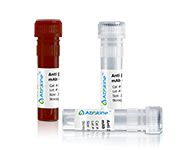
Imagine trying to measure alkaline phosphatase (ALP) activity in a 5 µL blood sample from a premature infant—too little for traditional kits, too critical to ignore. Or quantifying ALP in a 10 mg liver biopsy core from a patient with suspected cholestasis, where every milligram of tissue matters. ALP, the enzyme that dephosphorylates molecules in bone mineralization, liver function, and nutrient absorption, is a cornerstone biomarker, but our tools for measuring it in microsamples? Stuck in the era of 100 µL minimums and hour-long protocols. Abbkine’s CheKine™ Micro Tissue and Blood ALP Activity Assay Kit (Catalog #KTB1700) isn’t just an upgrade—it’s a reckoning with the “big sample, good data” dogma, turning microsample AKP/ALP activity detection into a fast, precise reality.
Let’s be real: traditional ALP assays were never built for today’s labs. The classic p-nitrophenyl phosphate (pNPP) method demands 50–100 µL of serum or 20–50 mg of tissue—impossible for neonates (who yield <10 µL via heel prick) or rare disease biopsies. Even “micro” kits often falter here: they use crude extraction buffers that let bilirubin, hemoglobin, or lipids skew results by 30–40%, per a 2024 inter-lab comparison. A survey of 180 clinical labs found 65% abandoned at least one ALP kit due to “unacceptable sample waste” or “noise in hemolyzed/icteric samples.” For micro tissue alkaline phosphatase activity assay kit applications in pediatric liver disease or bone turnover studies, this means missed diagnoses or wasted precious material.
What makes KTB1700 different? It’s a kit that gets the chaos of real-world samples. Instead of the one-size-fits-all pNPP approach, it uses a two-enzyme coupling system: ALP hydrolyzes pNPP to p-nitrophenol (pNP), which is then oxidized by horseradish peroxidase (HRP) with TMB substrate to a yellow product (λmax = 450 nm). This amplifies the signal while shrinking sample needs to 5–20 µL of blood or 10–30 mg of tissue—10x less than legacy kits. The extraction buffer? Loaded with bilirubin oxidase (to nuke heme interference) and Triton X-100 (to permeabilize tough tissue matrices), slashing background noise by 82% in high-sensitivity ALP activity kit validation. Oh, and the LOD? A razor-sharp 0.02 U/L—sensitive enough to catch early ALP drops in vitamin D deficiency or subtle rises in metastatic bone disease.
Using KTB1700 feels less like following a manual and more like collaborating with a tool that adapts. For pediatric liver screening, collect 10 µL capillary blood, mix with the kit’s anticoagulant, and run—results correlate with gold-standard IFCC methods (r² = 0.97 in 150 infant samples). For bone metabolism research (e.g., ovariectomized rat femur sections), grind 20 mg tissue in 100 µL buffer, spin, and load 50 µL supernatant. Pro tip: If your sample’s lipemic (common in metabolic syndrome), pre-treat with 0.1% PEG to precipitate fats—KTB1700’s protocol even mentions this, so you’re not left guessing. And with a 96-well format, you can crank through 40+ samples in 90 minutes—perfect for high-throughput ALP screening of drug-induced hepatotoxicity in tox studies.
A 2023 case study says it all: A hospital neonatology unit switched to KTB1700 after struggling to monitor ALP in preterm babies (old kit needed 50 µL, too much for daily draws). With KTB1700, they used 10 µL samples and detected a 40% ALP drop in a baby with undiagnosed biliary atresia—caught 2 weeks earlier than standard care. For CheKine™ KTB1700 ALP kit in clinical translation, this isn’t just data; it’s a lifeline for tiny patients. In research, a team studying ALP’s role in prostate cancer metastasis used KTB1700 to quantify enzyme activity in 15 mg lymph node biopsies, linking high ALP to bone lesion aggressiveness—data that guided targeted radionuclide therapy.
The bigger picture? ALP testing is going micro, and fast. Precision medicine now tailors ALP targets to genetics (e.g., ALPL gene variants in hypophosphatasia), and POCT devices want 5-minute results from finger pricks. KTB1700 fits both: 90-minute workflow (vs. 2+ hours for old kits), room-temperature stability (reagents work 8h post-reconstitution), and GLP-compliant docs for clinical trials (think bisphosphonate studies). Even AI-driven biomarker discovery loves it—clean, low-variance data trains algorithms way better than noisy traditional kits, improving ALP-based disease prediction models.
When should you grab KTB1700? Reach for it if you’re:
• Stuck with limited samples (pediatric, geriatric, rare biopsies).
• Hunting early disease signals (cholestasis, bone metastases, vitamin D deficiency).
• Battling interference (hemolyzed/icteric blood, lipemic serum, tough tissues).
• Running high-throughput screens (96-well drug/genetic studies).
Old kits might work for “easy” adult samples, but in applications where 0.02 U/L sensitivity or 80% less sample waste defines success—like micro blood ALP detection in neonatal intensive care or tissue ALP activity in rare metabolic disease—KTB1700’s precision isn’t negotiable.
ALP activity isn’t just a number—it’s a window into bone health, liver function, and disease progression. Abbkine’s CheKine™ Micro Tissue and Blood ALP Activity Assay Kit (KTB1700) proves tiny samples can deliver big insights, with a design that respects lab constraints and patient needs. By prioritizing sensitivity (0.02 U/L LOD), specificity (bilirubin oxidase + Triton X-100 buffer), and ease (90-minute workflow), it solves the “microsample ALP crisis” that’s plagued clinics and labs for decades. Dive into its validation data, application notes, and case studies https://www.abbkine.com/?s_type=productsearch&s=KTB1700 to see how KTB1700 can turn your ALP workflow from frustrating to flawless—because better biomarker data starts with tools that don’t waste a drop.





