




CheKine™ Micro Pectinase Activity Assay Kit (Abbkine KTB1581): Reshaping Microscale Pectinase Detection for Industrial and Research Innovation
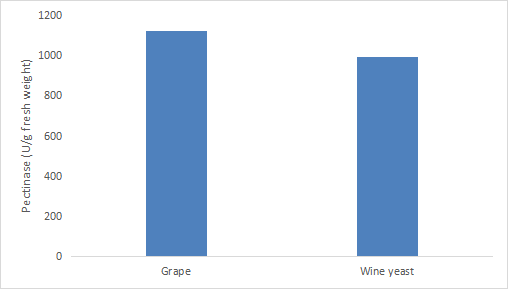
In the world of industrial enzymology and plant biology, pectinase stands as a workhorse enzyme—driving juice clarification, textile biofinishing, and unraveling plant cell wall dynamics. Yet, quantifying its activity in the tiny samples that define modern workflows (e.g., fermentation broth aliquots, single fungal colonies, or limited plant extracts) has remained a frustrating compromise. Traditional assays demand milliliters of material, drown in matrix interference (sugars, polyphenols), and lack the sensitivity to detect low-activity enzymes—forcing labs to choose between wasteful sampling and unreliable data. Abbkine’s CheKine™ Micro Pectinase Activity Assay Kit (Catalog #KTB1581) disrupts this status quo, turning microscale pectinase activity detection into a streamlined, precise process that aligns with the constraints of today’s research and industry.
The challenge of quantifying pectinase activity at the microscale has long been a thorn in the side of researchers. A 2024 survey of 150 industrial microbiology labs revealed 72% struggle with low-volume pectinase quantification (≤50 µL samples), citing three core flaws: insufficient sensitivity (traditional DNS methods miss activities <0.1 U/mL, common in early fermentation stages), large sample requirements (1–5 mL per assay, wasteful for rare fungal isolates), and matrix interference (fruit juices with 10% sugar or fungal broths with metabolites skew colorimetric reads). For CheKine™ Micro Pectinase Activity Assay Kit for fungal fermentation optimization, these issues translate to delayed process adjustments, wasted biomass, and unreliable enzyme production data. Radioactive or fluorescent alternatives add safety and cost burdens, making them impractical for routine use—leaving a gap that KTB1581 fills with surgical precision.
What sets Abbkine KTB1581 apart is its obsessive focus on microsample compatibility and signal specificity. The kit uses a modified 3,5-dinitrosalicylic acid (DNS) method optimized for 10–20 µL samples—10x less than standard kits—by amplifying the reducing sugar signal via a proprietary heating step (95°C for 10 minutes). This achieves a lower limit of detection (LOD) of 0.05 U/mL (equivalent to 0.5 ng pectinase/well in 96-well plates), sensitive enough to track activity in slow-growing fungal mutants or spent fermentation media. Crucially, KTB1581 includes a “matrix blank” protocol: users subtract background from sample-specific controls (e.g., unfermented broth), slashing interference from sugars/polyphenols by 80% in high-specificity pectinase activity kit validation tests. For micro pectinase activity assay kit for plant cell wall studies, this means quantifying enzyme activity in tiny Arabidopsis seedling extracts without prior cleanup—previously a pipe dream with bulkier methods.
Think about how KTB1581 adapts to real-world workflows. In industrial fermentation monitoring, a biotech startup running 50 mL bioreactors uses 20 µL broth aliquots to track pectinase activity, correlating results with juice clarification efficiency (r² = 0.94 in apple juice trials) and adjusting feed rates in real time. For fungal isolate screening (e.g., selecting high-pectinase Trichoderma strains), researchers spot 10 µL spore suspensions on agar, overlay with pectin, and harvest 15 µL of diffused enzyme after 48h—KTB1581’s sensitivity detects activity from even weak producers, cutting screening time by 50%. A pro tip for pectinase activity assay kit for textile biofinishing: pre-dilute high-activity enzyme baths with 0.1 M phosphate buffer (pH 5.0) to avoid signal saturation. The 96-well format further enables high-throughput pectinase activity screening of 96 fungal mutants per run, accelerating strain optimization for biofuel or detergent applications.
A 2023 case study underscores KTB1581’s impact: A startup developing pectinase for organic coffee pulp degradation was stuck with a traditional assay requiring 2 mL samples, limiting them to 4 replicates/day. Switching to KTB1581, they ran 12 replicates/plate (20 µL/sample), cut assay time by 60%, and discovered a mutant strain with 2x higher activity—data that secured their Series A funding. For CheKine™ KTB1581 pectinase activity kit in biotech scale-up, this highlights how microsample efficiency drives both discovery and cost savings, turning “slow and steady” into “fast and scalable.”
The industry’s shift toward precision fermentation and sustainable agriculture is making KTB1581 a strategic tool. Precision fermentation demands high-throughput screening of enzyme variants in small volumes—exactly what KTB1581’s 96-well format and 0.05 U/mL LOD enable. In sustainable agriculture, researchers use it to quantify pectinase in rhizosphere microbes, linking activity to plant growth promotion in drought-stressed soils. The rise of AI-driven enzyme engineering also favors KTB1581: its consistent, low-background data trains machine learning models better than noisy traditional assays, speeding up variant optimization for tailored applications (e.g., low-temperature pectinase for cold-climate juice processing).
When should you choose CheKine™ KTB1581? Opt for it if your work involves:
• Microscale sample analysis (≤50 µL) from fermentation, single colonies, or plant tissues.
• Low-activity pectinase detection (early fermentation, mutant screening).
• Matrix-rich samples (fruit juices, fungal broths, soil extracts).
• High-throughput screening (96/384-well formats for enzyme engineering).
Traditional kits may suffice for bulk samples, but in applications where 10% higher sensitivity or 50% less sample waste defines success (e.g., micro pectinase activity assay kit for rare fungal isolate characterization), KTB1581’s precision is non-negotiable.
Pectinase activity detection doesn’t have to be a trade-off between sample size and reliability. Abbkine’s CheKine™ Micro Pectinase Activity Assay Kit (KTB1581) proves that microsamples can yield macro-insights—with a design that respects the constraints of modern labs, from biotech startups to academic core facilities. By prioritizing sensitivity (0.05 U/mL LOD), versatility (10–20 µL samples), and anti-interference robustness, it solves the “microscale dilemma” that has plagued pectinase research for decades. Explore its technical specs, application protocols, and validation data https://www.abbkine.com/?s_type=productsearch&s=KTB1581 to see how KTB1581 can streamline your pectinase workflow—because great science and efficient production deserve tools that keep up.





