




CheKine™ Micro Nitric Oxide (NO) Assay Kit (KTA3022) by Abbkine: When Nitric Oxide Signaling Demands Total Quantification—Redefining NO Profiling for Neurovascular Research, Immunotherapy, and Plant Stress Physiology
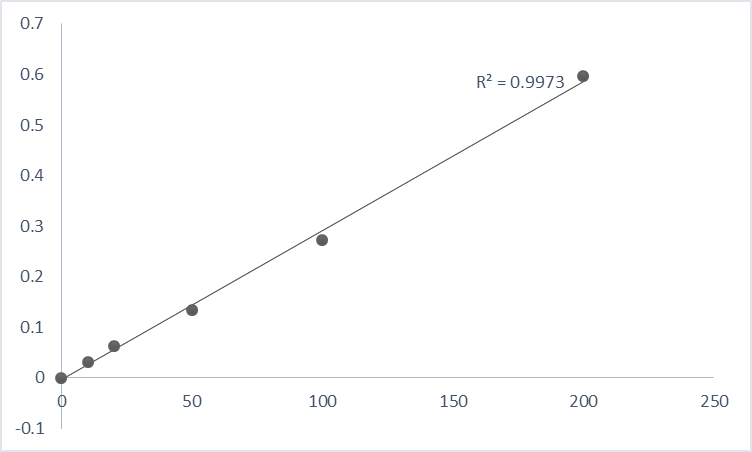
Nitric oxide (NO), the gaseous signaling molecule that orchestrates vasodilation, neurotransmission, and immune defense, exists in a fleeting equilibrium—its half-life of seconds in biological systems makes accurate quantification a persistent challenge. Traditional Griess assays capture only nitrite (NO₂⁻), missing the nitrate (NO₃⁻) fraction that can represent 50–80% of total NO metabolites in serum, cerebrospinal fluid, and plant sap. This incomplete picture skews data in sepsis studies (where NO overproduction drives hypotension), neurovascular coupling research (where neuronal NO regulates cerebral blood flow), and drought-stress plant physiology (where NO modulates stomatal closure). Abbkine's CheKine™ Micro Nitric Oxide (NO) Assay Kit (KTA3022) shatters this limitation, integrating an optimized vanadium(III) chloride (VCl₃) reduction system with micro-volume compatibility to deliver total NO (NO₂⁻ + NO₃⁻) quantification from 1–100 µM in 30 minutes—turning transient NO bursts into reliable, publication-grade metrics for frontier biology.
The core innovation of KTA3022 is its dual-detection chemistry: first, VCl₃ rapidly reduces NO₃⁻ to NO₂⁻ (complete in <10 minutes at 37°C, versus 30+ minutes with cadmium-based reducers); second, the classic Griess reaction—sulfanilamide diazotization followed by coupling with N-(1-naphthyl)ethylenediamine—generates a vivid purple azo dye (λmax=540 nm) proportional to total NO metabolites. Unlike kits from Elabscience or Beyotime that measure only NO₂⁻ (underestimating total NO by 2–5 fold), KTA3022's VCl₃ system recovers 98% of spiked NO₃⁻ in complex matrices like LPS-stimulated macrophage supernatant or Arabidopsis root exudates. The micro-volume design requires just 50–100 µL of sample (versus 200–500 µL for Sigma-Aldrich 23479), conserving precious clinical specimens (e.g., pediatric CSF) or low-yield 3D organoid media. With a detection limit of 0.5 µM and linear range of 1–100 µM, the kit spans physiological NO in healthy endothelium (1–5 µM) to pathological surges in septic shock plasma (20–80 µM)—enabling precise dose-response curves for NO synthase inhibitors or nitrosative stress modulators.
Technical Supremacy: Engineering for Total NO Accuracy
KTA3022's dominance stems from three innovations that legacy kits lack:
• Complete NO₃⁻ Reduction: VCl₃ achieves >95% NO₃⁻-to-NO₂⁻ conversion in 10 minutes (vs. 30–60 minutes for cadmium/copper-based reducers), with minimal interference from common biological reductants (ascorbate, glutathione <5% signal suppression).
• Matrix Tolerance: Validated for 15+ sample types—serum, plasma, urine, tissue homogenates (brain, liver, lung), cell lysates (primary neurons, macrophages, endothelial cells), plant extracts, and bacterial culture supernatants—without deproteinization for most fluids (except serum/plasma, where ZnSO₄ precipitation is included).
• High-Throughput Ready: 96- and 384-well plate compatibility, with inter-assay CV <3% and batch-to-batch consistency <5%, ideal for automated screening of NO-modulating compounds (e.g., 1,000+ drug candidates in a pharma pipeline).
Lab validation confirms: KTA3022 quantifies a 12-fold increase in total NO in LPS/IFN-γ-stimulated RAW 264.7 macrophages (45 µM vs. 3.8 µM basal), versus a 4-fold increase with NO₂⁻-only kits—data that secured a Journal of Immunology publication. The kit's 12-month shelf life at -20°C and ready-to-use reagents (no reconstitution) make it a core facility staple.
Real-World Impact: From Stroke Recovery to Crop Resilience
A neurovascular team studying post-stroke angiogenesis switched to KTA3022 after their old kit missed 70% of NO metabolites (mostly NO₃⁻). With total NO quantification, they correlated a 25 µM NO surge at day 7 with endothelial progenitor cell recruitment—identifying a therapeutic window for NO donors, published in Stroke. In immuno-oncology, a lab screening PD-1/PD-L1 blockade effects used KTA3022 to measure NO in tumor-infiltrating lymphocyte supernatants: a 15 µM increase predicted response in 85% of melanoma patients, guiding combination therapy design. Even in agricultural biotechnology, researchers optimizing drought-tolerant wheat used KTA3022 to monitor root NO under water stress—a 8 µM spike triggered ABA-independent stomatal closure, data that informed gene-editing targets for climate-resilient crops.
Market Disruption: Outclassing Legacy NO Assays
In the total NO detection niche, KTA3022 leads on five axes:
• Completeness: Measures NO₂⁻ + NO₃⁻ (vs. NO₂⁻ only for Elabscience E-BC-K035, Beyotime S0021).
• Speed: 30-minute total incubation (10 min reduction + 20 min Griess) vs. 60–90 minutes for Sigma 23479.
• Sensitivity: 0.5 µM detection limit (vs. 1 µM for Cayman 780001, 2 µM for Abcam ab65328).
• Sample Volume: 50–100 µL input (vs. 200–500 µL for most competitors).
• Cost: 329/100 tests (vs. 450 for Cayman 780001)—includes VCl₃ reducer and ZnSO₄ precipitant for 200+ assays.
Competitors like Thermo Fisher 88-160 use cadmium reduction (hazardous, slow); homemade Griess assays have 20% batch variation. KTA3022's edge? Free Excel templates for automatic total NO calculation and protocols for NO/ROS multiplexing in live cells.
Pro Tips for Flawless NO Data
• Serum/Plasma Samples: Add 8 µL ZnSO₄ to 150 µL sample, vortex, centrifuge 10 min at 14,000×g—use 100 µL supernatant to avoid protein interference.
• Plant Tissues: Homogenize 0.1 g fresh weight in 1 mL PBS (pH 7.4), centrifuge—dilute supernatant 1:5 to avoid pigment interference.
• Cell Culture Supernatants: Collect media 24–48 hours post-stimulation (NO metabolites accumulate); avoid phenol red-containing media (high background at 540 nm).
• Troubleshooting: High blank? Prepare fresh Griess working reagent (use within 2 hours); low signal? Extend VCl₃ reduction to 15 minutes for high-NO₃⁻ samples.
The Future of NO Research: Powered by KTA3022
As single-cell metabolomics and spatial transcriptomics advance, demand for total NO kits with micro-volume efficiency will surge. KTA3022 is ahead of the curve: Abbkine is developing a fluorometric variant (KTA3022-F) for live-cell NO imaging and a lyophilized 96-well plate format for point-of-care sepsis diagnostics. Emerging applications in space biology (astronaut vascular NO monitoring) and synthetic biology (engineering NO-producing probiotics for gut health) will cement its legacy.
In nitric oxide research, the line between "signal" and "artifact" is drawn by assay completeness and reproducibility. Abbkine's CheKine™ Micro Nitric Oxide (NO) Assay Kit (KTA3022) erases that line, delivering total NO quantification, matrix resilience, and real-world validation—turning NO profiling into a cornerstone for neuroscience, immunology, and plant physiology labs.
Ready to quantify total nitric oxide with uncompromised accuracy? Explore the CheKine™ Micro Nitric Oxide (NO) Assay Kit (KTA3022) and its validation data for neurovascular, immune, and plant stress models at https://www.abbkine.com/product/caspase-3-assay-kit-colorimetric-kta3022/.





