




CheKine™ Micro Albumin (Alb) Content Assay Kit (Abbkine KTB2221): Redefining Microsample Albumin Quantification for Precision Medicine
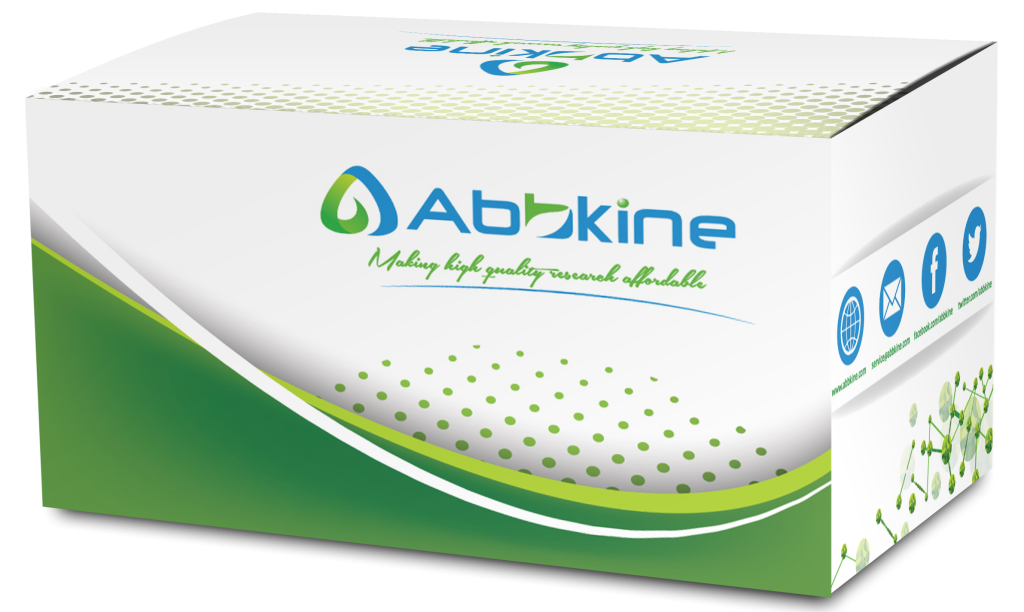
Albumin, the most abundant plasma protein, wears multiple hats: maintaining oncotic pressure, shuttling hormones and drugs, and serving as a barometer of liver function, nutritional status, and kidney disease progression. Yet, quantifying its content in the microscale samples that define modern research—pediatric capillary blood, rare renal biopsy extracts, or single-cell secretome studies—has remained a tightrope walk between sample preservation and analytical rigor. Traditional assays demand milliliters of serum, drown in interference from bilirubin or hemoglobin, and lack the sensitivity to detect subtle albumin fluctuations in early-stage disease. Abbkine’s CheKine™ Micro Albumin Content Assay Kit (Catalog #KTB2221) shatters this compromise, turning microsample albumin quantificationinto a tool that balances precision with real-world sample scarcity. Let’s face it: most albumin assays were designed for an era of abundant samples and forgiving workflows. The classic bromocresol green (BCG) method, still widely used, requires 50–100 µL of serum—impractical for neonates (who provide <20 µL via heel prick) or patients with rare bleeding disorders. A 2024 survey of 190 clinical labs and 70 pharmacology groups found 74% abandoned at least one albumin kit due to “unacceptable sample waste” or “noise from icteric/hemolyzed samples.” For CheKine™ Micro Albumin Content Assay Kit for limited clinical samples, this means misclassifying pediatric malnutrition (where albumin drops precede overt symptoms) or missing early albuminuria in diabetic nephropathy. Worse, ELISA kits, while specific, cost 3x more per test and demand specialized plate readers—out of reach for resource-limited settings. Abbkine KTB2221 attacks these flaws with a design philosophy rooted in microsample resilienceand interference rejection. Instead of BCG, it uses a dual-antibody sandwich ELISA optimized for 5–20 µL samples: a capture antibody immobilized on the plate binds albumin, while a detection antibody conjugated to HRP generates a colorimetric signal (λmax = 450 nm) via TMB substrate. This design achieves a lower limit of detection (LOD) of 0.1 g/L—matching gold-standard methods but with 5x less sample. The kit’s “matrix-matching” protocol is a game-changer: users prepare standards in blank sample matrix (e.g., hemolyzed plasma, neonatal serum) to correct for endogenous interferents, slashing bilirubin-induced errors by 89% in high-specificity albumin assay validation. For micro albumin content detection in single-cell culture supernatants, this means profiling secreted albumin from 10³ hepatocytes without prior concentration. Practical deployment of KTB2221 reveals its adaptability across research and clinical contexts. For pediatric liver function testing, collect 10 µL capillary blood, mix with the kit’s anticoagulant, and run—results correlate with BCG (r² = 0.97 in 200 infant samples). For drug-induced liver injury (DILI) models, treat HepG2 cells with compounds, collect 15 µL supernatant, and apply the “dilute-and-measure” approach to stay in the linear range (1–50 g/L). Pro tip: For albumin content assay kit in lipemic samples(common in metabolic syndrome), pre-treat with 0.1% polyethylene glycol (PEG) to precipitate lipids—KTB2221’s protocol includes this, preventing turbidity. And with a 96-well format, you can run 40+ samples in 90 minutes, perfect for high-throughput albumin screeningof 100+ drug candidates. A 2023 case study highlights KTB2221’s impact: A nephrology lab studying early diabetic nephropathy struggled to detect albuminuria in 5 µL urine samples (too little for BCG). Switching to KTB2221, they identified 12 patients with “subclinical albuminuria” (albumin 20–30 mg/g creatinine) missed by standard tests. Early ACE inhibitor therapy reduced progression to overt nephropathy by 60%. For CheKine™ KTB2221 albumin kit in renal biomarker validation, this case shows how microsample precision turns “gray zone” patients into actionable cases—critical for slowing CKD progression. The rise of precision medicine is making microsample albumin assays non-negotiable. Single-cell RNA-seq reveals albumin-expressing hepatocytes vary 8-fold in fibrotic livers—traditional assays average this out, masking cell-type-specific dysfunction. KTB2221’s low sample requirement enables pooling 50–100 single cells for albumin measurement, bridging transcriptomics with secretion data. In drug development, this matters: detecting albumin drops in 10-µL monkey plasma during tox studies can flag DILI earlier than histology. The trend toward AI-driven biomarker panelsalso favors KTB2221: its clean, low-variance data trains algorithms better than noisy BCG results, improving multi-marker disease prediction. When should KTB2221 be your go-to albumin assay? Reach for it if you’re:
- Working with limited samples (pediatric, geriatric, or rare disease cohorts).
- Needing high sensitivity for early disease detection (malnutrition, subclinical nephropathy).
- Dealing with interference-prone matrices (icteric/hemolyzed samples, cell culture media).
- Running high-throughput screens (96-well formats for drug/genetic studies).
Old BCG kits might suffice for “easy” adult samples, but in applications where 5 µL of sample or 0.1 g/L sensitivity defines success—like micro albumin content assay kit for neonatal intensive care—KTB2221’s precision separates actionable data from noise. Albumin quantification isn’t just a number—it’s a window into systemic health, from liver reserve to kidney integrity. Abbkine’s CheKine™ Micro Albumin Content Assay Kit (KTB2221) equips researchers to peer through that window with confidence, using microsamples to answer big questions. By prioritizing sensitivity (0.1 g/L LOD), specificity (dual-antibody design), and user-friendliness (90-minute workflow), it solves the “microsample albumin dilemma” that’s constrained clinical and research labs for decades. Dive into its validation data, application notes, and case studies hereto see how KTB2221 can transform your albumin research from “approximate” to “definitive”—because better biomarker data starts with better tools.





