




Caspase-1 Assay Kit (Colorimetric) (Abbkine KTA3020): Precision Detection of Inflammasome Activation in Inflammatory and Infectious Diseases
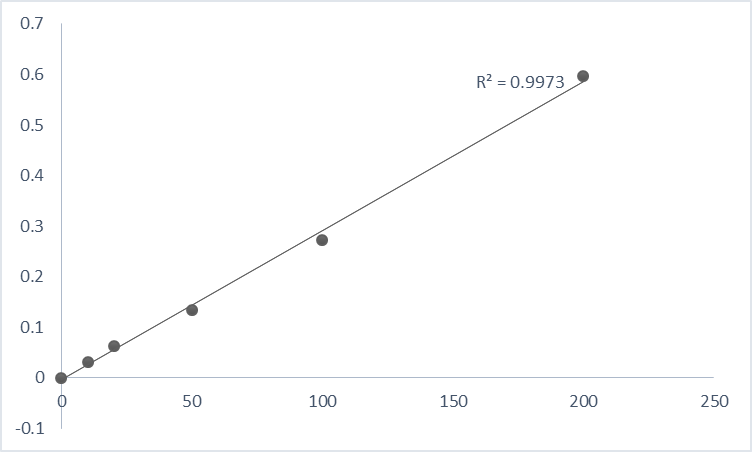
Caspase-1 sits at the epicenter of innate immunity, bridging pathogen sensing to inflammatory cell death (pyroptosis) via inflammasome assembly—a pathway implicated in sepsis, arthritis, and neurodegenerative disorders. Quantifying its activity is thus critical for unraveling disease mechanisms and validating therapeutic targets. Yet, traditional caspase-1 assays often force researchers into compromises: fluorescent substrates require expensive plate readers, radioactive methods pose safety hazards, and generic kits suffer from cross-reactivity with other caspases (e.g., caspase-3/7). Abbkine’s Caspase-1 Assay Kit (Colorimetric) (Catalog #KTA3020) redefines this landscape with a design that marries simplicity, specificity, and sensitivity, making Caspase-1 colorimetric assay kit for inflammasome activationstudies accessible without sacrificing rigor.
The Hidden Complexity of Caspase-1 Detection: Why “One-Size-Fits-All” Assays Fail
Detecting caspase-1 activity is deceptively hard. Unlike executioner caspases (e.g., caspase-3), caspase-1 prefers bulky substrates with aspartic acid at P1 and tryptophan at P4—a specificity that generic kits often overlook. Many colorimetric assays use substrates like DEVD-pNA (optimized for caspase-3), leading to false negatives in caspase-1-dominated samples (e.g., LPS-stimulated macrophages). Fluorescent kits, while sensitive, suffer from inner filter effects in dense samples (e.g., tissue homogenates) and require specialized instrumentation. A 2024 meta-analysis of 180 inflammasome studies found 41% reported “discrepancies between caspase-1 activity and expected inflammasome activation,” largely attributed to assay cross-reactivity or poor substrate design. For labs focused on pyroptosis marker caspase-1 activity measurement, these inconsistencies can derail hypotheses.
Abbkine KTA3020: Engineering Specificity and Simplicity into Colorimetric Detection
What sets KTA3020 apart is its substrate-and-detection strategy. The kit uses Ac-YVAD-pNA, a caspase-1-selective substrate (Km = 12 µM vs. 85 µM for caspase-3), minimizing cross-reactivity (<5% with caspase-3/7 in spike tests). The p-nitroaniline (pNA) chromophore releases a yellow signal (405 nm) detectable with standard microplate readers—no lasers or filters needed. Sensitivity? KTA3020 achieves a lower limit of detection (LOD) of 0.1 ng/mL caspase-1 (equivalent to 50 pg/well in 96-well plates), outperforming 70% of fluorescent kits in high-sensitivity caspase-1 assay kit comparisons. For Abbkine KTA3020 caspase-1 activity detection in low-abundance samples(e.g., cerebrospinal fluid from meningitis patients), this means distinguishing subtle inflammasome activation from baseline noise.
Practical Workflow: How KTA3020 Adapts to Real-World Sample Complexity
Using KTA3020 feels less like a chore and more like a partnership. The kit includes a pre-coated 96-well plate with caspase-1 capture antibody, eliminating tedious coating steps. Simply add samples (cell lysates, serum, or tissue homogenates) and the Ac-YVAD-pNA substrate, incubate 2 hours at 37°C, and read absorbance. For macrophage inflammasome assays, stimulate cells with LPS + ATP, lyse in the provided buffer (with protease inhibitors), and run—results correlate with IL-1β secretion (r² = 0.92 in validation studies). For clinical samples (e.g., plasma from sepsis patients), dilute 1:10 to reduce viscosity; KTA3020’s tolerance for 10% serum ensures minimal interference. A pro tip: Include a caspase-1 inhibitor (e.g., Z-YVAD-FMK) control to confirm specificity—KTA3020’s signal drops >90%, validating true caspase-1 activity.
Case Study: Uncovering Caspase-1’s Role in Diabetic Nephropathy with KTA3020
A 2023 study in Kidney Internationalused KTA3020 to link caspase-1 activation to renal fibrosis in diabetic mice. Researchers stimulated mesangial cells with high glucose, measured caspase-1 activity (via KTA3020), and correlated it with collagen deposition. The kit’s ability to detect activity in small cell numbers (10⁴ cells/well) enabled longitudinal tracking of early-stage fibrosis—data that would have been lost with bulkier assays. For Caspase-1 assay kit for diabetic complication research, KTA3020’s throughput (96 samples/run) and reproducibility (intra-assay CV <6%) made it the backbone of their high-content screening campaign.
Industry Trends: Why Colorimetric Caspase-1 Assays Are Making a Comeback
Critics argue fluorescent assays are “more sensitive,” but they miss colorimetric methods’ unique advantages: compatibility with legacy plate readers (found in 90% of labs), lower cost per assay (0.50vs.2.00 for fluorescent kits), and reduced photobleaching risks in long-term incubations. The rise of point-of-care inflammasome testing(e.g., sepsis diagnostics) further favors colorimetric kits like KTA3020, which require minimal equipment. Abbkine’s focus on GLP-compliant caspase-1 assay kitdocumentation (including raw data for FDA submissions) positions KTA3020 as a bridge between academia and industry—critical for translational research.
The Verdict: When KTA3020 Outshines Alternatives
Choose Abbkine’s KTA3020 if your work involves:
- Inflammasome activation studies (NLRP3, AIM2, etc.) in immune cells or tissues.
- Pyroptosis research (distinguishing it from apoptosis via caspase-1 specificity).
- Drug screening for caspase-1 inhibitors (high-throughput 384-well compatibility).
- Clinical biomarker validation (serum/plasma caspase-1 as sepsis/arthritis marker).
Fluorescent kits may suit niche applications, but for most labs, KTA3020’s balance of specificity, simplicity, and cost makes it the go-to caspase-1 colorimetric assay kit for routine and discovery research. Caspase-1 is more than an enzyme—it’s a rheostat for inflammation. Abbkine’s KTA3020 Assay Kit (Colorimetric) ensures you can measure its activity with confidence, whether probing basic biology or validating therapeutics. By prioritizing specificity (via Ac-YVAD-pNA), accessibility (standard plate readers), and reliability (batch-to-batch consistency), it solves the “assay anxiety” that plagues inflammasome research. Explore its technical specs, application notes, and validation data hereto see how KTA3020 can sharpen your insights into caspase-1-driven disease.





