




Bridging Glycolysis and Lipogenesis: Why Quantifying ATP Citrate Lyase Activity Demands a Modernized Approach
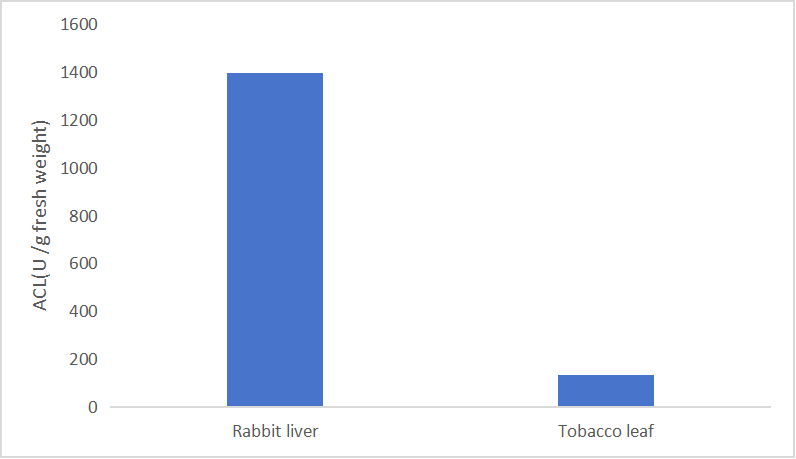
Within the intricate metabolic circuitry of the cell, ATP Citrate Lyase (ACL) performs an indispensable anaplerotic function. By catalyzing the conversion of mitochondrial-derived citrate and ATP to cytosolic acetyl-CoA and oxaloacetate, ACL sits at a critical juncture. It directly links carbohydrate catabolism to the biosynthesis of fatty acids, sterols, and the post-translational acetylation of proteins. Consequently, dysregulated ACL activity is not a peripheral observation but a central feature in the pathogenesis of metabolic syndromes, non-alcoholic fatty liver disease (NAFLD), and numerous cancers where de novo lipogenesis fuels rapid proliferation. Accurate profiling of its enzymatic activity is therefore essential for dissecting these disease mechanisms and evaluating therapeutic interventions.
Despite its clear biomedical significance, conventional methods for assessing ACL activity have presented persistent practical hurdles. Historically, researchers relied on multi-step, radioisotopic assays measuring the incorporation of labeled citrate into acetyl-CoA or fatty acids. These methods, while informative, introduce significant safety constraints, regulatory burdens, and waste disposal challenges. Alternative spectrophotometric approaches often suffered from low sensitivity, interference from other dehydrogenases, or were indirect and cumbersome. This technical landscape created a gap: a need for a safe, sensitive, and straightforward assay compatible with high-throughput screening in complex biological samples, such as tissue homogenates or cell lysates.
The CheKine™ Micro ATP Citrate Lyase (ACL) Activity Assay Kit (Abbkine, KTB1252) is designed to address these specific methodological gaps through a coupled enzymatic reaction scheme. This kit intelligently quantifies ACL activity by measuring the generation of CoA-SH, a product of the ACL reaction, in a DTNB-linked colorimetric readout. The microplate-optimized format significantly reduces sample consumption while enabling parallel processing of multiple conditions—a crucial advantage for dose-response or time-course experiments in metabolic research. Its specificity for the target reaction minimizes cross-interference, providing a cleaner signal that more accurately reflects true ACL enzyme kinetics in vitro.
From an application standpoint, adopting this optimized ACL activity assay kit opens precise avenues for mechanistic discovery. For instance, in cancer metabolism studies, researchers can directly correlate oncogenic signaling pathway activation (e.g., via PI3K/AKT or SREBP) with functional ACL enzymatic output, moving beyond mRNA or protein expression data. In investigating insulin resistance or hepatic steatosis, the kit enables the direct measurement of how nutritional inputs or pharmacologic inhibitors modulate this key node of de novo lipogenesis. The reliability of this ACL activity measurement protocol is foundational for validating the efficacy of novel ACL inhibitors, a promising therapeutic class.
Evaluating the broader market for metabolic enzyme assay kits, the strategic value of a specialized, user-friendly ACL activity detection kit becomes evident. While general metabolite detection kits exist, they lack the specificity for this particular enzyme. The CheKine™ kit provides a focused solution that enhances research reproducibility and operational efficiency. Its design acknowledges the trend towards safer (non-radioactive), scalable, and more accessible biochemical tools that can keep pace with the demands of modern functional metabolomics and drug discovery pipelines.
Looking forward, the role of precise metabolic flux measurement tools will only intensify. As research continues to unravel the complexity of metabolic adaptations in disease, the ability to quantitatively measure key enzymatic activities like that of ATP Citrate Lyase becomes non-negotiable. This specific assay kit serves as a critical component in the experimental toolkit, transforming ACL from a biomarker of interest into a quantifiable functional endpoint. It empowers researchers to ask more pointed questions about metabolic rewiring and its therapeutic manipulation.
For laboratories focused on lipid metabolism, cancer bioenergetics, or metabolic disease, integrating a robust ACL activity assay is a logical step towards deeper mechanistic insight. The CheKine™ Micro ATP Citrate Lyase (ACL) Activity Assay Kit offers a validated, accessible path to obtain that essential data. Detailed information regarding the assay principle, full protocol, and kit components for this ATP citrate lyase activity detection solution is available for review: CheKine™ Micro ATP Citrate Lyase (ACL) Activity Assay Kit - KTB1252.





