




Beyond Scar Tissue: Why COL3A1 is Stealing the Spotlight in Modern Biomedicine
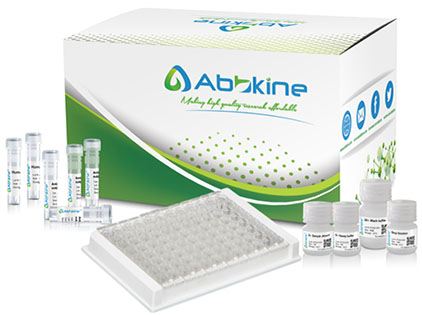
Alright, let's talk about collagen. Most folks, even outside the lab, have heard of it—the stuff that gives skin its plumpness and joints their cushion. But when you zoom in, the story gets way more interesting. It’s not a single molecule but a whole family, and while Type I gets most of the glory for being the most abundant, it’s Type III collagen that’s quietly running the show in some of the most dynamic and delicate processes in our bodies. Think of it as the agile, fast-responding network builder versus Type I's role as the heavy-duty construction crew. This is where the Human Collagen Type III Alpha 1 (COL3A1) ELISA Kit stops being just another assay and becomes a critical lens into health, disease, and regeneration. If you're studying anything from a healing wound to a failing heart or a developing brain, quantifying COL3A1 isn't optional; it's essential.
So what makes this protein so special? Unlike the thick, sturdy fibrils of Type I collagen that provide tensile strength, Type III collagen forms finer, more elastic reticular fibers. It's the scaffold of choice for tissues that need to combine structure with flexibility, like blood vessels, skin, and internal organs. But here's the kicker—it's a major player from the very beginning. It's dominant in embryonic tissues and is the first to be laid down in the proliferative phase of wound healing, creating the initial "provisional matrix" that guides new cell growth. This kit, designed to specifically target the human COL3A1 chain, allows researchers to measure this foundational event. It’s like having a timestamp on the body's repair process. Furthermore, its role isn't just structural. Believe it or not, research shows that in the developing brain, COL3A1 acts as a major signaling ligand, interacting with receptors like ADGRG1 to help regulate neuronal migration and cortical development. This blows the old notion of collagen as mere "cellular glue" right out of the water.
In the real world of research and medicine, the COL3A1 ELISA kit is finding itself on the front lines of some of the toughest challenges. Take fibrosis, for instance—whether it's in the liver, lungs, or heart. Fibrosis is essentially a scarring process gone rogue, where the normal balance of matrix deposition and breakdown is lost. Traditionally, focus was on total collagen. Now, the spotlight is on the I/III collagen ratio. A shift towards more Type III is often an early sign of active, progressive remodeling, as seen in conditions like vascular Ehlers-Danlos syndrome, which is directly linked to COL3A1 gene mutations. By accurately tracking COL3A1 levels, scientists can not only gauge disease severity but also monitor the efficacy of anti-fibrotic therapies in clinical trials. It's a powerful biomarker moving from the bench closer to the bedside.
See what I mean? Sensitivity can vary by an order of magnitude. The "best" kit depends entirely on your question. Are you looking for trace amounts in cell culture, or quantifying massive deposition in a fibrotic tissue lysate? The Abbkine EliKine™ line is built on providing reliable, publication-ready data, and for a target like COL3A1, that means antibodies rigorously validated to avoid cross-reactivity with the similar Type I collagen—a common pitfall that can ruin months of work.
Let's get practical. You've ordered the kit, it's sitting on your bench. Now what? First, respect your sample. COL3A1 is a secreted protein, but when dealing with tissues, you need an efficient homogenization and extraction protocol to get it out of the dense extracellular matrix without degrading it. For wound healing or fibrosis studies using cell culture, remember that the timing is everything. The peak of COL3A1 secretion might be days before Type I takes over. And please, run a pilot dilution. These proteins can be present in a huge concentration range, and you don't want your precious samples to fall outside the standard curve. The protocol might be a standard sandwich ELISA, but your intellectual contribution is in the sample prep and experimental design that captures a biological truth.
Looking ahead, the drive to measure proteins like COL3A1 with precision is more than academic—it's fueling a diagnostic and therapeutic revolution. The global ELISA market itself is growing steadily, driven by the need to understand chronic diseases. In dermatology and cosmetics, COL3A1 is a gold-standard indicator of skin health and "neo-collagenesis." In cardiology, its presence in the blood might signal subtle arterial remodeling long before clinical symptoms appear. The ability to reliably measure it with tools like this ELISA kit is what allows these fields to transition from observing correlations to establishing causal mechanisms and, eventually, to developing targeted interventions. It's a classic case of a fundamental research tool enabling applied, translational science.
In the end, working with COL3A1 is a lesson in biological nuance. It forces you to think beyond "more collagen" or "less collagen" and to ask what kind of collagen, when, and where. The Human Collagen Type III Alpha 1 (COL3A1) ELISA Kit is your tool for answering that first, crucial question. It provides the quantitative rigor needed to move from simply watching biological processes to actively deciphering and influencing them. Whether you're unraveling the mysteries of development, battling fibrosis, or evaluating a new anti-aging compound, getting the COL3A1 story right is non-negotiable. And that starts with a measurement you can trust.
For detailed specifications, validation data, and ordering information for the Abbkine EliKine™ Human COL3A1 ELISA Kit, visit the official product page: Human Collagen Type III Alpha 1 (COL3A1) ELISA Kit - KTE62513.





