




Beyond Neuronal Guidance: The Rising Star of SLIT3 in Systemic Physiology and Disease – A Technical Focus on Its Specific Quantification
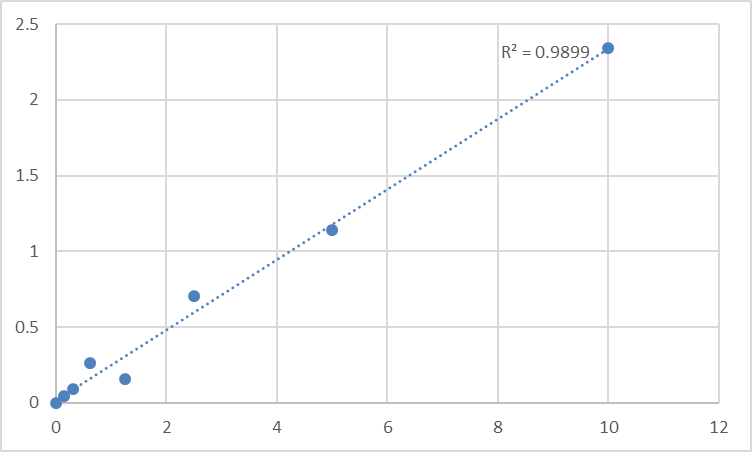
For years, the SLIT family of secreted glycoproteins, ligands for Roundabout (ROBO) receptors, were confined to the textbook chapters of developmental neurobiology. Their canonical role in axon guidance and neuronal migration is well-established. However, recent research has propelled Slit homolog 3 protein (SLIT3), in particular, into a startling new spotlight. It's now recognized as a potent multifunctional signaling molecule with critical roles in angiogenesis, bone metabolism, tumor progression, and adipose tissue regulation. This paradigm shift means that accurately measuring circulating SLIT3 protein levels or its expression in various biological samples is no longer a niche interest for neuroscientists but a growing need across cardiovascular, oncology, and metabolic research. The Human Slit homolog 3 protein (SLIT3) ELISA Kit (KTE60580) from Abbkine is a tool designed to meet this emerging demand, offering a targeted approach to quantify this intriguing molecule.
So, why does measuring SLIT3 demand a specialized immunoassay kit? The challenge is twofold: specificity and context. The SLIT family (SLIT1-3) shares structural homology, raising the risk of antibody cross-reactivity in a poorly designed assay. Specific quantification of the SLIT3 protein isoform without interference from SLIT1 or SLIT2 is paramount for clean data. Furthermore, SLIT3 exists in full-length and functionally distinct cleaved fragments. A robust sandwich ELISA format for SLIT3 detection must utilize antibody pairs that reliably recognize intact, bioactive SLIT3, ensuring the measured signal translates to biological relevance. Kits like the Abbkine EliKine™ are built on this principle, employing antibodies rigorously validated for minimal cross-reactivity to provide confidence that you are tracking SLIT3, not its family members.
Moving from kit to credible data requires a thoughtful, sample-first strategy. SLIT3 can be investigated in diverse matrices: cell culture supernatant from endothelial or osteoblast studies, human serum or plasma samples for biomarker discovery, and even tissue lysates. Each comes with a caveat. For cell culture, remember that SLIT3 is a secreted protein; its accumulation is linear over time, and the choice of serum-free or reduced-serum media during the conditioning period is crucial to avoid background interference. For clinical samples like plasma, the choice of anticoagulant matters. Heparin plasma is often preferred over EDTA for protein stability, and consistent, rapid processing is non-negotiable to prevent protein degradation or cleavage. A golden rule for this quantitative SLIT3 protein analysis is to always run a preliminary dilution series. This identifies the optimal sample dilution to fall within the assay's dynamic range, mitigating matrix effects that could skew your final concentration values.
The true value of precise SLIT3 measurement is unlocked when the data is integrated into multidisciplinary mechanistic studies. Standalone concentration numbers are less informative than their correlation with functional readouts. For instance, in cardiovascular disease research, measuring SLIT3 levels in patient serum alongside vascular health markers can illuminate its role as a pro-angiogenic factor. In cancer biology research, correlating tumor tissue SLIT3 expression with patient survival data or metastatic potential can reveal its dual role as a context-dependent tumor suppressor or promoter. Perhaps one of the most exciting applications is in metabolic disorder investigations, where SLIT3 has been identified as a "myokine" and "adipokine" influencing thermogenesis and glucose homeostasis. Here, pairing SLIT3 ELISA data with metabolic parameters in vivo creates a powerful narrative. This kit acts as the linchpin, generating the reliable quantitative data needed for these sophisticated correlations and systems biology approaches.
Looking ahead, SLIT3 is poised on the cusp of translational relevance. While not yet a routine clinical biomarker, the consistent findings of its deregulation in conditions like atherosclerosis, osteoporosis, and certain cancers are building a compelling case. The availability of reliable, accessible research tools like a dedicated human SLIT3 ELISA kit is what fuels this transition from basic discovery to applied science. It enables larger-scale cohort validation studies, which are the essential step in evaluating SLIT3's potential as a diagnostic or prognostic indicator. For pharmaceutical researchers, it also provides a vital pharmacodynamic tool for monitoring responses to therapies that might inadvertently or intentionally modulate the SLIT-ROBO pathway.
In conclusion, the study of SLIT3 exemplifies how a molecule can escape its traditional boundaries to become a player in systemic health and disease. The Human SLIT3 ELISA Kit (KTE60580) is more than just an assay; it's a critical enabler for this expanding field. By providing researchers with a specific, sensitive, and validated method for quantification, it helps move the science beyond observation to mechanism, driving a deeper understanding of SLIT3's pleiotropic functions. For labs exploring the frontiers of vascular biology, bone metabolism, cancer stroma interactions, or metabolic syndrome, incorporating this targeted measurement is a strategic step towards generating impactful, data-driven insights.
For detailed specifications, validation data, and ordering information, please visit the official product page: EliKine™ Human SLIT3 ELISA Kit - KTE60580.





