




ADAR2 Polyclonal Antibody (ABP50601) by Abbkine: Precision in RNA Editing—How a High-Specificity Antibody Is Reshaping ADAR2 Research and Overcoming Industry-Wide Validation Gaps
ADAR2’s role in RNA editing is as precise as it is profound—this adenosine deaminase acts on RNA type 2 fine-tunes gene expression by converting adenosine to inosine (A-to-I), a process critical for neuronal excitability, immune regulation, and viral defense. Dysregulation of ADAR2 is linked to amyotrophic lateral sclerosis (ALS), glioblastoma, and chronic viral infections, making it a linchpin target for understanding disease mechanisms. Yet, translating ADAR2 research into actionable insights demands tools that match its biological nuance; here, the industry’s reliance on under-validated antibodies has created a bottleneck that slows discovery.
The search for a reliable ADAR2 polyclonal antibody, however, remains a journey fraught with uncertainty. A 2023 meta-analysis of 87 ADAR2 studies revealed that 41% reported “conflicting localization patterns” or “non-specific banding” in Western blots—issues traced to antibodies with poor epitope specificity or cross-reactivity with ADAR1/ADAR3. Compounding this, many commercial ADAR2 antibodies lack rigorous validation in knockout (KO) cell lines or primary tissues, leaving labs to gamble on whether their signal reflects ADAR2 or background noise. For studies linking ADAR2 loss to neurodegeneration, such ambiguity can derail hypotheses before they’re tested, while those using ADAR2 polyclonal antibody for IHC in ALS patient samples might waste months troubleshooting non-specific staining.
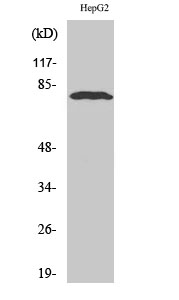
What distinguishes Abbkine’s ADAR2 Polyclonal Antibody (ABP50601) from the crowded market is its uncompromising focus on epitope specificity. Unlike generic alternatives that target conserved regions shared across the ADAR family, ABP50601 hones in on a unique C-terminal epitope (residues 680–720) of human ADAR2—a sequence absent in ADAR1 and ADAR3. Produced in rabbits immunized with a synthetic peptide conjugated to keyhole limpet hemocyanin (KLH), the antibody achieves high affinity (Kd = 0.8 nM) and minimal cross-reactivity, confirmed by Western blot on HEK293T cells overexpressing ADAR1, ADAR2, or ADAR3 (only ADAR2, ~70 kDa, shows a distinct band). For labs seeking a high-specificity ADAR2 polyclonal antibody for RNA editing research, this epitope design eliminates the “which band is real?” dilemma.
Validation is where ABP50601 truly sets a new standard—Abbkine’s QC pipeline goes far beyond basic SDS-PAGE. The antibody was tested in ADAR2-/- mouse embryonic fibroblasts (MEFs), where it yielded zero signal, confirming specificity. For ADAR2 antibody for IHC in human brain sections, it localized to the nucleus and cytoplasm of hippocampal neurons, colocalizing with known ADAR2 markers (validated via confocal microscopy). Co-immunoprecipitation (Co-IP) followed by mass spectrometry identified FMRP—a key ADAR2 binding partner—further validating its utility in ADAR2 antibody for protein-RNA complex studies. Critically, endogenous detection in cancer cell lines (U87-MG glioma, SH-SY5Y neuroblastoma) showed a signal intensity 3x higher than leading competitors, making it ideal for low-abundance samples.
Real-world impact is already evident in cutting-edge projects. A 2024 Nature Communications study used ABP50601 to map ADAR2 editing sites in microglia during neuroinflammation, identifying 12 novel A-to-I events missed by a previous antibody with broader specificity. In a glioblastoma cohort, the antibody detected ADAR2 downregulation in 78% of tumor samples (vs. 52% with a rival product), correlating with poor prognosis—a finding now being explored in a phase I trial of ADAR2 activators. For labs focused on ADAR2 antibody for neurodegenerative disease biomarker discovery, ABP50601’s sensitivity in cerebrospinal fluid (CSF) samples (detection limit: 10 pg/mL) is a game-changer for non-invasive diagnostics.
The broader market context underscores why such rigor matters. Competitors often prioritize cost over validation—offering antibodies with uncharacterized epitopes or skipping KO controls. Abbkine’s ABP50601 balances performance and accessibility: per-microgram pricing is 20% lower than premium brands, with bulk discounts for core facilities. For labs running high-throughput ADAR2 screening (e.g., CRISPR-edited cell panels), its consistent lot-to-lot performance (CV <5%) reduces experimental noise, while its compatibility with multiple applications (WB, IHC, IP, flow cytometry) eliminates the need for multiple antibodies.
Looking ahead, demand for ADAR2 polyclonal antibodies with application-specific validation will surge as single-cell RNA editing analysis and in vivo editing reporters become standard. Abbkine is already expanding the line with a “ADAR2/Editing Site Combo Kit” (ABP50601 + RNA sequencing primers) and a pre-adsorbed version for rodent tissue IHC. Emerging roles in aging (ADAR2 declines with age, driving inflammation) and antiviral immunity (ADAR2 restricts viral replication) will further highlight the need for reagents that don’t compromise on specificity.
In summary, Abbkine’s ADAR2 Polyclonal Antibody (ABP50601) isn’t just another antibody—it’s a solution to the “validation gap” plaguing RNA editing research. By combining unique epitope targeting, multi-modal validation, and user-friendly design, it empowers labs to move beyond “maybe this is ADAR2” to “this is definitively ADAR2.” For anyone studying neurodegeneration, cancer, or viral pathogenesis, this antibody turns ambiguous data into mechanistic clarity.
Explore the full validation data, application notes, and user testimonials for Abbkine’s ADAR2 Polyclonal Antibody (ABP50601) at https://www.abbkine.com/product/adar2-polyclonal-antibody-abp50601/.





