




Acetyl-CoA isn't just another metabolite. It's the ultimate molecular currency
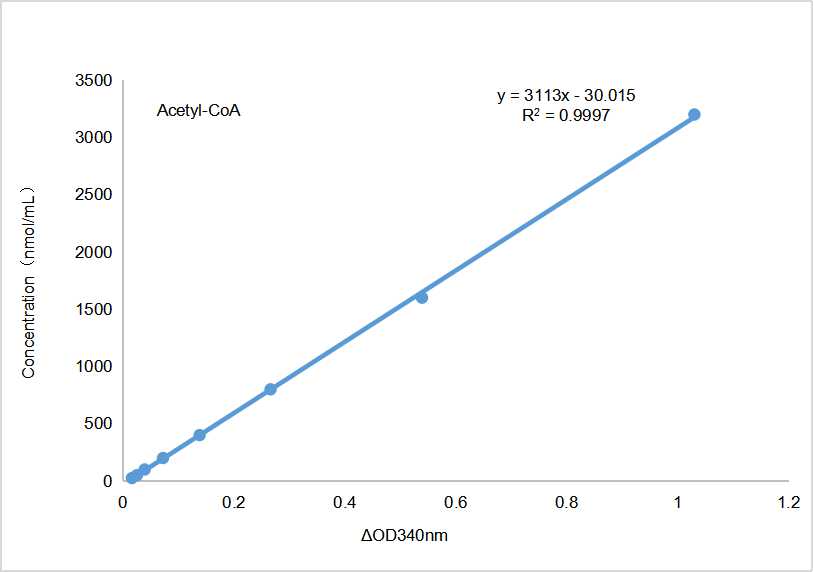
Think about it. This tiny molecule sits at the wildest intersection in cell biology. It fuels the TCA cycle for energy, provides the building blocks for fatty acids and cholesterol, and donates acetyl groups to modify histones and countless proteins. It’s metabolism, signaling, and epigenetics all rolled into one. But here’s the catch: actually measuring its levels? That’s been a notorious headache. It’s labile, pools can change in seconds, and traditional methods like LC-MS aren't always accessible or high-throughput for screening. This is the exact problem the CheKine™ Micro Acetyl Coenzyme A (Acetyl-CoA) Assay Kit (Abbkine, KTB1260) is built to solve.
You need a method that’s fast, reliable, and works with the samples you actually have. Freezing and thawing your precious cell lysates a bunch of times just to prep for a complicated analysis isn't ideal. This kit takes a clever enzymatic route. It uses a specific system where Acetyl-CoA is enzymatically converted, ultimately generating a colorimetric signal proportional to its concentration. The "Micro" part is key—you can get meaningful data from limited material, which is a lifesaver when working with primary cells or fine-needle biopsy samples. The 96-well format means you can run a bunch of conditions in one go, comparing normal vs. treated, or different time points, without the day falling apart.
So where does this become truly powerful? Pretty much anywhere cellular metabolism is in flux. Cancer research is the obvious one. Many tumors are addicts to de novo lipogenesis, sucking up glucose to make Acetyl-CoA and then fat to build new membranes. Having a straightforward tool to measure this central precursor lets you directly see the effect of a potential drug targeting, say, ACL or ACC. But it goes way beyond that. In neuroscience, the link between mitochondrial function (Acetyl-CoA production) and histone acetylation in neuronal genes is a huge area. In immunology, T cell activation and differentiation are metabolically expensive processes fueled by metabolic shifts. This kit allows you to move beyond just looking at gene expression or surface markers and peek at the actual metabolic engine driving those changes.
Let’s be honest, no kit is magic. Sample handling is still critical. You need to snap-freeze your cells or tissues quickly to lock the metabolic state at that exact moment. Using the recommended extraction buffer is non-negotiable to stabilize the Acetyl-CoA. But if you follow the protocol, what you get is a consistent, quantitative readout that translates a complex biological state into hard numbers. It bridges the gap between a western blot showing increased expression of a metabolic enzyme and the functional consequence of that increase.
Ultimately, the rise of kits like this reflects a broader shift in biology. We’re not just cataloging parts anymore; we’re trying to understand the dynamic flux of the system. The CheKine™ Micro Acetyl-CoA Assay Kit is more than a convenience—it’s an enabling tool. It puts a key metric of cellular metabolic status within reach for labs that might not have a dedicated metabolomics facility. It allows for functional validation in studies of metabolic disorders, aging, or nutritional science. In essence, it helps answer the "so what?" after you see a change in a signaling pathway or enzyme level.
If your research touches on how cells generate energy, build biomass, or regulate genes through acetylation, then Acetyl-CoA is on your radar. Having a reliable way to measure it directly removes a major barrier to insight. This specific assay kit for quantifying acetyl coenzyme A levels provides a practical path forward. For the full details on how this acetyl-CoA concentration measurement tool can fit into your workflow, check it out here: CheKine™ Micro Acetyl Coenzyme A (Acetyl-CoA) Assay Kit - KTB1260. Sometimes, getting the right answer starts with being able to ask the question in a quantitative way.





