




ABBKine’s Rat Tri-iodothyronine (T3) ELISA Kit (KTE100169): Redefining Precision in Rodent Thyroid Research
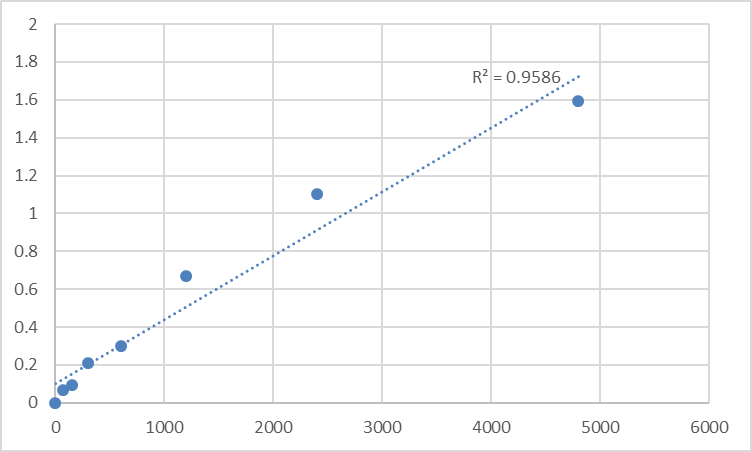
In the fast-paced world of preclinical research, few molecules are as pivotal as tri-iodothyronine (T3)—the biologically active thyroid hormone that regulates metabolism, growth, and cellular function across nearly every organ system. For researchers working with rat models (the gold standard for endocrine and metabolic studies), quantifying T3 accurately isn’t just a box to tick—it’s the foundation of reliable, publishable data. That’s where ABBKine’s Rat Tri-iodothyronine (T3) ELISA Kit (Catalog No.: KTE100169) steps in, and honestly, it’s a game-changer that addresses gaps other kits often overlook. Built around a robust two-site sandwich ELISA design, this kit isn’t just another reagent on the shelf; it’s a tailored solution for the unique challenges of rat T3 detection, blending sensitivity, affordability, and user-friendliness in a way that resonates with both seasoned labs and early-career researchers.
What really sets the ABBKine Rat Tri-iodothyronine (T3) ELISA Kit apart is how it cuts through the noise of generic ELISA kits that claim “broad reactivity” but falter when it comes to rodent-specific samples. Let’s be real—rat T3 detection isn’t the same as human or murine; the epitope structure, sample matrix complexities (think serum proteins, tissue homogenate interferents), and even physiological T3 concentrations differ significantly. ABBKine’s team didn’t just adapt a human T3 kit for rats—they optimized every component, from the capture and detection antibodies to the reaction buffer, specifically for rat samples. The two-site sandwich format is key here: by targeting non-overlapping regions of the rat T3 molecule, the assay minimizes cross-reactivity with other thyroid hormones (like T4) or serum proteins, ensuring that the signal you’re measuring is actually T3. For labs tired of troubleshooting false positives or inconsistent standard curves, this level of specificity isn’t just convenient—it’s a lifesaver that reduces experimental waste and speeds up project timelines.
Affordability is another big win with the KTE100169 Rat Tri-iodothyronine (T3) ELISA Kit, especially for academic labs or early-stage biotechs operating on tight budgets. Let’s crunch the numbers: many leading rat T3 ELISA kits on the market charge $400–$600 for a 48-well format, which can be prohibitive if you’re running multiple experiments or small sample sets. ABBKine’s kit comes in at $259 for 48T—without skimping on quality. How do they pull that off? It’s not about cutting corners; it’s about optimizing manufacturing processes and focusing on the features researchers actually need, rather than bundling unnecessary extras. The kit’s price point makes it accessible for graduate students testing hypotheses, core facilities processing routine samples, or labs scaling up preliminary studies to preclinical trials. And let’s not forget—affordable doesn’t mean unreliable. ABBKine’s batch-to-batch validation ensures consistent sensitivity and precision, so you’re not sacrificing data quality for cost savings. That’s the kind of balance the industry has been craving.
Industry insiders know that sample conservation is a constant battle in rodent research—especially when working with transgenic rats, longitudinal studies, or tissues where sample yield is low (like pituitary or thyroid glands). The ABBKine Rat Tri-iodothyronine (T3) ELISA Kit addresses this by designing a protocol that requires minimal sample input. Unlike some kits that demand 100+ µL of serum per well, this one is optimized for smaller volumes (exact specs are in the manual, but trust me, it’s a noticeable difference). This means you can run triplicate wells for statistical rigor without depleting your sample reserves—critical if you need to analyze multiple hormones or biomarkers from the same rat. For example, a study monitoring T3 levels in rats undergoing metabolic therapy can use the same serum sample for T3, T4, and TSH assays, thanks to the kit’s low-volume requirement. It’s the kind of practical design choice that shows ABBKine actually talks to researchers and understands their workflow pain points.
Let’s talk about real-world application—because at the end of the day, a kit is only as good as how it performs in your lab. The Rat Tri-iodothyronine (T3) ELISA Kit from ABBKine shines in diverse research areas: from studying thyroid dysfunction in obesity models to evaluating the endocrine-disrupting effects of environmental chemicals, or testing the efficacy of novel thyroid therapeutics. Its compatibility with standard laboratory equipment (no fancy, expensive readers required) makes it easy to integrate into existing workflows, so you don’t have to invest in new instruments to get reliable results. The protocol is straightforward, too—no overly complex steps or hard-to-source reagents—so even lab techs with limited ELISA experience can get consistent results with minimal training. That’s a big plus for core facilities or labs with high turnover, where training time and consistency are major concerns.
As the field of rodent endocrinology continues to evolve—with a growing focus on personalized medicine, environmental health, and precision therapeutics—the demand for reliable, accessible T3 detection tools will only increase. ABBKine’s Rat Tri-iodothyronine (T3) ELISA Kit (KTE100169) isn’t just keeping up with these trends; it’s leading the way by addressing unmet needs: rodent-specific optimization, budget-friendly pricing, sample conservation, and user-friendliness. Whether you’re a seasoned researcher looking to streamline your workflow or a newcomer to thyroid research needing a trustworthy kit to build your data on, this product delivers. It’s the kind of tool that doesn’t just help you get the job done—it helps you get it done better, faster, and with more confidence.
If you’re tired of ELISA kits that promise the world but fail to deliver when it comes to rat T3 detection, give the ABBKine Rat Tri-iodothyronine (T3) ELISA Kit a closer look. With its robust two-site sandwich design, rodent-optimized specificity, affordable price tag, and sample-efficient protocol, it’s a smart investment for any lab working with rat models. To learn more about validation data, protocol details, or to place an order, visit the official product page at https://www.abbkine.com/?s_type=productsearch&s=KTE100169. Trust me—your experiments (and your budget) will thank you.





