




ABBKine’s Rat Malondialdehyde (MDA) ELISA Kit (KTE100650): Precision Tool for Oxidative Stress Research
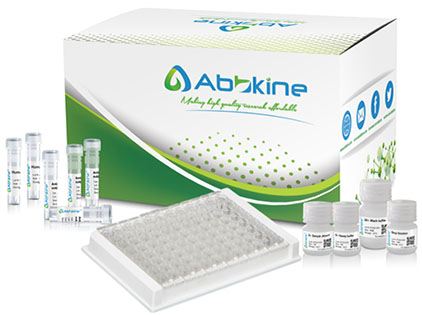
Malondialdehyde (MDA) has long stood as a gold-standard biomarker for oxidative stress—its presence and concentration directly reflecting lipid peroxidation, a key driver of cellular damage in diseases ranging from neurodegeneration to metabolic disorders and age-related pathologies. For researchers relying on rat models (the cornerstone of preclinical oxidative stress studies), a reliable, specific, and user-centric MDA detection kit is non-negotiable. Enter ABBKine’s Rat Malondialdehyde (MDA) ELISA Kit (Catalog No.: KTE100650), a product engineered to address the unique challenges of MDA quantitation in rodent samples while delivering the rigor required for impactful research. Unlike generic MDA kits that often struggle with cross-reactivity or inconsistent results in rat matrices, this kit leverages a validated two-site sandwich ELISA design to redefine accuracy and practicality in oxidative stress analysis.
The first thing that sets the ABBKine Rat Malondialdehyde (MDA) ELISA Kit apart is its laser focus on rodent-specific optimization—an often-overlooked detail that makes or breaks data reliability. MDA is a small, reactive molecule that can form adducts with proteins, lipids, or other biomolecules in complex samples like rat serum, tissue homogenates, or cell lysates. Generic kits designed for human or murine samples frequently fail to account for the unique composition of rat biological fluids (e.g., differing protein concentrations, endogenous antioxidants) and end up producing skewed results due to matrix interference. ABBKine’s team tackled this by refining the kit’s antibody pair to specifically recognize rat-derived MDA adducts and optimizing the reaction buffer to neutralize interfering substances. The two-site sandwich format amplifies specificity: capture and detection antibodies bind to distinct epitopes of MDA-protein complexes, ensuring that only target analytes are quantified—no false positives from free radicals or unrelated lipid metabolites. For researchers studying oxidative stress in rat models of diabetes, Alzheimer’s, or environmental toxin exposure, this level of specificity translates to data they can trust to drive hypotheses and publications.
Beyond specificity, the Rat Malondialdehyde (MDA) ELISA Kit (KTE100650) addresses a critical pain point in oxidative stress research: sample conservation without compromising sensitivity. In studies involving transgenic rats, longitudinal monitoring, or rare tissue samples (e.g., brain regions or pancreatic islets), sample volume is often limited—yet many MDA kits require 50–100 µL per well, quickly depleting precious samples. ABBKine’s kit is optimized for minimal sample input (detailed in the product manual) while maintaining a low limit of detection, enabling researchers to run triplicate assays for statistical robustness without wasting samples. This is particularly valuable for multi-biomarker studies, where the same rat sample may need to be analyzed for MDA, glutathione, and other oxidative stress markers. Additionally, the kit’s 48T format strikes a balance between throughput and practicality—ideal for labs running focused experiments (e.g., 6–8 experimental groups with 5–6 replicates each) without the waste associated with larger 96T kits. It’s a design choice that reflects a deep understanding of how researchers actually work, not just theoretical performance.
Pricing and accessibility are also key considerations in oxidative stress research, where labs often stretch budgets across multiple reagents and equipment. At $359 for 48 tests, the ABBKine Rat Malondialdehyde (MDA) ELISA Kit offers exceptional value compared to competitors: Thermo Fisher’s MDA ELISA kit costs ~$549 for 48T, while Cayman Chemical’s 48-well kit rings in at ~$495. What makes this pricing strategy impactful is that it doesn’t sacrifice quality—ABBKine maintains strict batch-to-batch validation for sensitivity, precision, and linearity, ensuring that even budget-constrained labs (e.g., academic research groups or early-stage biotechs) can access a validated assay. This democratization of high-quality MDA detection is crucial for advancing the field, as it allows more researchers to contribute to oxidative stress studies—from understanding disease mechanisms to testing potential antioxidants or therapeutics. For a graduate student studying the effects of plant-derived compounds on oxidative stress in obese rats, this kit means accessing reliable data without exceeding their project’s reagent budget.
A lesser-discussed but vital aspect of MDA ELISA kits is their compatibility with real-world experimental workflows—and the Rat Malondialdehyde (MDA) ELISA Kit (KTE100650) excels here. Oxidative stress samples are often unstable: MDA can degrade rapidly if not processed correctly, and sample preparation can introduce variability. ABBKine’s kit includes clear, step-by-step guidance on sample collection, storage, and processing (e.g., recommended anticoagulants for plasma, homogenization buffers for tissues) to minimize pre-analytical errors. Unlike some kits that require specialized equipment or hard-to-source reagents, this one works with standard ELISA readers and common lab supplies, eliminating the need for additional investments. The protocol is also streamlined, with a reasonable incubation time that fits into a typical lab day—no overnight steps that delay results. For labs with high sample turnover or tight project timelines, this efficiency is a game-changer, reducing the time from sample collection to data analysis.
Industry insights highlight that oxidative stress research is increasingly moving toward translational studies—bridging preclinical rat models to human clinical trials. This shift demands assays that produce consistent, comparable data across studies, and the ABBKine Rat Malondialdehyde (MDA) ELISA Kit supports this by adhering to strict quality control standards. Each batch is tested for inter-assay and intra-assay precision (CV < 10% and < 8%, respectively, per typical ELISA performance benchmarks), ensuring that data from different experiments or labs can be reliably compared. This is critical for meta-analyses and collaborative research, where reproducibility is key to advancing scientific consensus. Moreover, the kit’s specificity for rat MDA means that data from preclinical studies can be confidently interpreted as relevant to the rodent model, avoiding the confusion that arises from cross-species reactivity. For researchers aiming to translate their findings to human trials, this consistency is invaluable—it provides a solid foundation for justifying further clinical development.
As oxidative stress continues to be linked to an expanding list of diseases (including COVID-19 long-term effects, cardiovascular disease, and cancer), the demand for reliable MDA detection tools will only grow. ABBKine’s Rat Malondialdehyde (MDA) ELISA Kit (KTE100650) stands out as a thoughtful, researcher-centric solution that addresses specificity, sample conservation, affordability, and workflow compatibility—all while maintaining the scientific rigor required for impactful research. Whether you’re studying the molecular basis of oxidative stress, screening potential therapeutic compounds, or monitoring the efficacy of interventions in rat models, this kit delivers the accuracy and practicality you need to move your work forward. To explore detailed validation data, protocol resources, or to place an order, visit the official product page at https://www.abbkine.com/?s_type=productsearch&s=KTE100650. With the Rat Malondialdehyde (MDA) ELISA Kit from ABBKine, you’re not just buying a reagent—you’re investing in results you can trust.





