




ABBKine’s Human Homocysteine (HCY) ELISA Kit (KTE62507): A Precision Tool for Cardiovascular and Metabolic Research
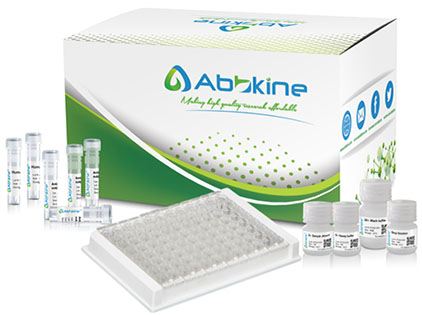
Homocysteine (HCY)—a sulfur-containing amino acid derived from methionine metabolism—has emerged as a pivotal biomarker in modern clinical and translational research. Elevated HCY levels are strongly linked to cardiovascular diseases, neurodegenerative disorders, congenital metabolic defects, and adverse pregnancy outcomes, making accurate quantification in human samples a cornerstone of disease risk assessment, pathogenesis studies, and therapeutic monitoring. ABBKine addresses this critical need with its Human Homocysteine (HCY) ELISA Kit (Catalog No.: KTE62507), a product engineered to overcome the unique challenges of HCY detection while delivering the rigor required for high-impact research. Built on a validated two-site sandwich ELISA platform, this kit stands out as a researcher-centric solution that balances specificity, sensitivity, and practicality—filling gaps left by generic amino acid assay kits.
A key technical challenge in HCY research lies in the molecule’s chemical properties and sample matrix complexity. HCY exists in human samples in multiple forms: free HCY, protein-bound HCY, and mixed disulfides with other thiols (e.g., cysteine, glutathione). Generic ELISA kits often fail to capture all HCY species, leading to underestimation of total HCY levels, or cross-react with structurally similar amino acids (e.g., methionine, cysteine), producing misleading results. ABBKine’s Human Homocysteine (HCY) ELISA Kit resolves this by incorporating a proprietary sample pre-treatment step that denatures protein-bound HCY and reduces disulfide bonds, ensuring quantification of total HCY—the clinically and biologically relevant metric. Complemented by highly specific antibodies that target HCY’s unique thiol-containing epitope, the two-site sandwich design eliminates cross-reactivity, even in complex matrices like serum, plasma, or cerebrospinal fluid. For researchers studying HCY’s role in atherosclerosis or Alzheimer’s disease, this means data that accurately reflects true HCY burden, enabling more reliable conclusions about disease mechanisms.
Practicality in sample handling and workflow efficiency is another area where the Human Homocysteine (HCY) ELISA Kit (KTE62507) excels. HCY is inherently unstable in biological samples—exposure to oxygen or prolonged storage can lead to oxidation and degradation, introducing pre-analytical variability. ABBKine’s kit addresses this with clear, actionable guidance in its user manual: recommended anticoagulants (e.g., EDTA for plasma to prevent oxidation), optimal storage temperatures (-80°C for long-term preservation), and a streamlined pre-treatment protocol that minimizes sample processing time. Unlike some kits that require specialized equipment for sample preparation (e.g., HPLC-grade reagents or ultracentrifuges), this kit uses common lab supplies, making it accessible to researchers without access to advanced analytical facilities. The 48T format is also strategically designed: it supports focused studies (e.g., 6–8 patient cohorts with 5–6 replicates each) without the waste of larger 96T kits, while the protocol’s reasonable incubation times (compatible with a standard 8-hour lab day) reduce workflow bottlenecks. This attention to real-world lab constraints ensures that researchers can prioritize data quality over logistical hurdles.
Cost-effectiveness without compromising performance is a defining advantage of the ABBKine Human Homocysteine (HCY) ELISA Kit. Competitor HCY ELISA kits for human samples typically range from $420–$580 for a 48T format, placing a strain on academic labs or clinical research centers operating on limited budgets. Priced at $359 for 48 tests, ABBKine’s kit disrupts this market by offering comparable—if not superior—validation metrics (intra-assay CV < 7%, inter-assay CV < 10%, limit of detection < 0.5 μmol/L) at a more accessible price point. This affordability is particularly impactful for large-scale studies, such as epidemiological surveys of HCY levels in patient populations or long-term therapeutic trials monitoring HCY reduction. By lowering the cost barrier, ABBKine enables broader adoption of standardized HCY detection, fostering consistency across studies and facilitating meta-analyses—an essential step in translating HCY research into clinical practice. For early-career researchers or small labs, this kit means accessing a validated assay without diverting funds from other critical experiments.
Industry insights highlight a growing shift toward translational HCY research—bridging basic science to clinical applications such as personalized medicine and disease prevention. For example, HCY is increasingly used as a predictive biomarker for cardiovascular risk in patients with diabetes or chronic kidney disease, and as a monitoring tool for patients on B-vitamin supplementation (which lowers HCY levels). The Human Homocysteine (HCY) ELISA Kit (KTE62507) supports this shift by delivering data that meets clinical research standards. Its batch-to-batch consistency ensures that results from preclinical studies (e.g., cell culture models of HCY-induced endothelial damage) can be reliably compared to clinical data (e.g., HCY levels in patient serum), facilitating translational validation. Additionally, the kit’s compatibility with high-throughput ELISA readers makes it scalable for clinical trials, where processing hundreds of samples efficiently is critical. This alignment with translational research trends positions the kit as a versatile tool, equally valuable for basic scientists exploring HCY’s molecular mechanisms and clinical researchers advancing patient care.
As research linking HCY to an expanding range of diseases—including non-alcoholic fatty liver disease, preeclampsia, and Parkinson’s disease—continues to grow, the demand for reliable, accessible HCY detection tools will intensify. ABBKine’s Human Homocysteine (HCY) ELISA Kit (KTE62507) distinguishes itself by addressing unmet needs: comprehensive total HCY quantification, sample stability support, cost-effectiveness, and translational compatibility. Its technical rigor and practical design make it an indispensable asset for researchers across disciplines, from biochemistry and immunology to clinical medicine and public health. Whether you’re investigating HCY’s role in disease pathogenesis, screening patient populations for risk stratification, or evaluating the efficacy of HCY-lowering interventions, this kit delivers the accuracy and efficiency needed to drive impactful research.
To explore the full capabilities of the ABBKine Human Homocysteine (HCY) ELISA Kit (KTE62507), including detailed validation data, protocol resources, and technical support, visit the official product page at https://www.abbkine.com/?s_type=productsearch&s=KTE62507. With ABBKine’s commitment to quality and innovation, this kit is more than a reagent—it’s a strategic investment in advancing our understanding of HCY-related diseases and improving global health outcomes.





