




ABBKine’s Human Cytochrome b-c1 Complex Subunit 10 (UQCR) ELISA Kit (KTE60084): Addressing Industry Pain Points in Mitochondrial Research
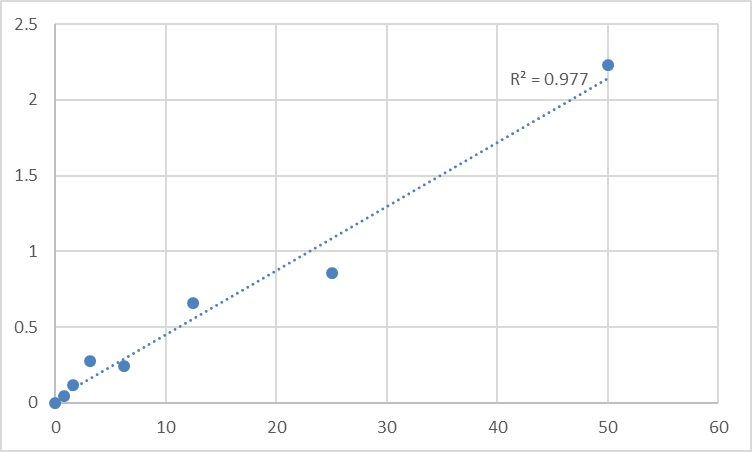
Mitochondrial biology has emerged as a cornerstone of understanding human disease—from neurodegenerative disorders and metabolic syndromes to cancer and cardiovascular pathologies. At the heart of this research lies Cytochrome b-c1 complex subunit 10 (UQCR), a critical component of the mitochondrial respiratory chain that regulates oxidative phosphorylation and cellular energy homeostasis. For researchers quantifying UQCR in human samples, the current landscape of assay tools is riddled with unmet needs: poor target specificity in complex human matrices, prohibitive costs for specialized mitochondrial protein detection, and protocols that demand excessive sample volumes or technical expertise. ABBKine’s Human Cytochrome b-c1 complex subunit 10 (UQCR) ELISA Kit (Catalog No.: KTE60084) is engineered to tackle these core pain points, leveraging a validated two-site sandwich ELISA design to deliver the precision, accessibility, and practicality that modern mitochondrial research demands.
A primary industry pain point in UQCR research is the lack of assays tailored to the unique challenges of human sample matrices. Human serum, plasma, and tissue homogenates are rich in proteins, lipids, and endogenous molecules that often interfere with ELISA-based detection—especially for mitochondrial proteins like UQCR, which are present in low abundance relative to cytoplasmic or serum proteins. Generic ELISA kits designed for broader protein targets frequently exhibit cross-reactivity with homologous mitochondrial subunits or serum albumin, leading to overestimated UQCR concentrations and misleading data. ABBKine’s Human Cytochrome b-c1 complex subunit 10 (UQCR) ELISA Kit resolves this by using a highly specific antibody pair optimized exclusively for human UQCR. The two-site sandwich format—where capture and detection antibodies bind to non-overlapping epitopes of the UQCR protein—ensures that only the target molecule is quantified, even in complex samples like human skeletal muscle homogenates or cerebrospinal fluid. For researchers studying UQCR dysregulation in Parkinson’s disease or diabetic cardiomyopathy, this level of specificity eliminates the need for time-consuming pre-purification steps, streamlining workflows and reducing the risk of experimental error.
Cost inefficiency is another pressing challenge for labs working with niche mitochondrial targets like UQCR. Specialized ELISA kits for mitochondrial proteins often come with premium price tags: Competitor kits for human UQCR range from $450–$600 for a 48T format, placing them out of reach for academic labs or early-stage biotechs with limited reagent budgets. ABBKine’s Human Cytochrome b-c1 complex subunit 10 (UQCR) ELISA Kit disrupts this model by pricing at $339 for 48 tests, without compromising on quality or validation. This affordability stems from ABBKine’s optimized manufacturing processes and focus on core functionality—avoiding unnecessary add-ons that drive up costs. Critically, the kit maintains strict batch-to-batch consistency, with intra-assay CV < 8% and inter-assay CV < 10% (aligning with gold-standard ELISA performance metrics), ensuring that budget-constrained labs can still generate data that meets the standards of high-impact journals. For a postdoctoral researcher investigating UQCR expression in cancer cell lines, this means accessing a validated assay without diverting funds from other critical experiments, such as Western blotting or functional mitochondrial assays.
Sample scarcity is a third major pain point in human UQCR research, particularly when working with clinical samples (e.g., patient biopsies, pediatric specimens) or rare cell populations (e.g., stem cells differentiated into cardiomyocytes). Many commercial UQCR ELISA kits require 50–100 µL of sample per well, which can quickly deplete limited specimens—especially if researchers need to analyze multiple biomarkers from the same sample. ABBKine’s Human Cytochrome b-c1 complex subunit 10 (UQCR) ELISA Kit addresses this by optimizing its protocol for minimal sample input (detailed in the product manual), enabling triplicate testing for statistical rigor while conserving precious samples. This is a game-changer for translational research, where a single patient biopsy may need to be split across UQCR quantification, metabolomic profiling, and histopathological analysis. Additionally, the kit’s 48T format is ideal for labs running focused studies—such as comparing UQCR levels across 6–8 patient cohorts with 5–6 replicates each—without the waste associated with larger 96T kits. This design reflects a deep understanding of the practical constraints of human research, where every sample represents significant time, resources, and ethical considerations.
Beyond addressing immediate technical pain points, the Human Cytochrome b-c1 complex subunit 10 (UQCR) ELISA Kit (KTE60084) also mitigates the reproducibility crisis plaguing mitochondrial research. A key contributor to irreproducible data is the lack of standardized protocols for UQCR detection, as different labs may use custom antibody pairs or unvalidated assay conditions. ABBKine’s kit provides a comprehensive, step-by-step protocol tailored to human UQCR, including guidance on sample preparation (e.g., optimal homogenization buffers for tissues, anticoagulants for plasma), reagent handling, and standard curve generation. Unlike custom assays that require months of optimization, the KTE60084 kit is pre-validated for human samples, reducing user error and ensuring that data from different labs can be compared meaningfully. For example, a research team in Asia and a team in North America studying UQCR in Alzheimer’s disease patients can use the same Human Cytochrome b-c1 complex subunit 10 (UQCR) ELISA Kit to generate consistent quantification data, facilitating collaborative meta-analyses and accelerating scientific progress. This focus on standardization is critical for advancing mitochondrial research from bench to bedside, as reproducible preclinical data is essential for justifying clinical trials of UQCR-targeted therapeutics.
As the field of mitochondrial biology continues to expand—with growing links between UQCR dysfunction and age-related diseases, metabolic disorders, and even viral infections—the demand for reliable, accessible UQCR detection tools will only intensify. ABBKine’s Human Cytochrome b-c1 complex subunit 10 (UQCR) ELISA Kit (KTE60084) stands out by directly addressing the industry’s most pressing pain points: matrix interference, cost inefficiency, sample scarcity, and reproducibility. Its rodent-free, human-optimized design ensures relevance for translational research, while its user-friendly protocol and compatibility with standard laboratory equipment make it accessible to labs of all sizes. For researchers seeking to unlock the role of UQCR in human disease, this kit is more than a reagent—it’s a strategic tool that accelerates experimental timelines, enhances data confidence, and lowers barriers to entry. To explore detailed validation data, protocol resources, or to place an order, visit the official product page at https://www.abbkine.com/?s_type=productsearch&s=KTE60084 and elevate your human mitochondrial research with a kit that’s built to solve real-world challenges.





