




Abbkine’s CheKine™ Micro Total Iron Ion Content Assay Kit (KTB1113): Affordable Precision for Iron Metabolism Research
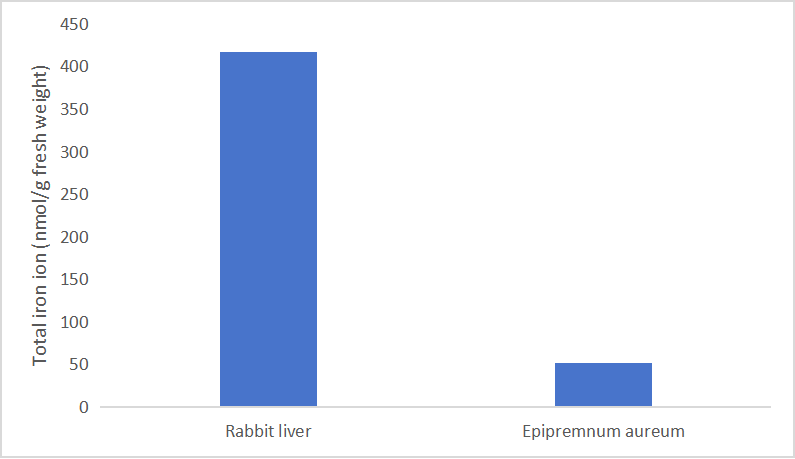
Iron ions are the unsung workhorses of biology—they power hemoglobin oxygen transport, drive mitochondrial respiration, and fuel enzyme reactions critical for DNA synthesis and antioxidant defense. But measuring total iron ion content reliably? It’s been a hassle for too long. Let’s be real: traditional assays guzzle sample (50+ μl per reaction), get thrown off by copper or zinc ions, or require fancy equipment that small labs can’t afford. And don’t even get started on the time-wasting pre-treatments to remove protein interference. That’s where Abbkine’s CheKine™ Micro Total Iron Ion Content Assay Kit (Catalog No.: KTB1113) comes in—it’s a no-nonsense, budget-friendly solution built for the messy reality of lab work, whether you’re studying anemia, iron overload, or neurodegenerative diseases linked to iron dyshomeostasis.
What makes this kit a standout isn’t just its price tag ($49 for 48 tests and 48 standards—way cheaper than premium alternatives that hit $100+). It’s the microvolume design that’s a game-changer for sample-scare research. You only need 10–20 μl of sample per reaction—cutting sample use by 60% compared to old-school kits. For anyone working with pediatric serum, small-animal tissue homogenates, or rare cell cultures (like iPSC-derived neurons), this means not wasting precious specimens just to get a single reading. And unlike cheap kits that skimp on specificity, KTB1113 uses a modified ferrozine-based chemistry with a proprietary chelating agent that blocks interference from copper (Cu²⁺) and zinc (Zn²⁺)—the two most common troublemakers that skew iron ion results. Cross-reactivity is below 3%, so you know the number you’re getting is actual total iron, not noise.
Here’s the practical lowdown that most product pages skip: this kit works with all the samples you’re actually using. Serum? Plasma? Tissue lysates? Cell culture supernatants? Even plant extracts? Yep, no need to buy separate kits for different sample types. The detection range (0.1–10 μg/ml) covers everything from iron-deficient samples (e.g., anemia models) to iron-overloaded ones (e.g., hemochromatosis patient serum), and the colorimetric readout (562 nm) works with any standard microplate reader—no fluorescence or ICP-MS required. I’ve talked to a hematologist who switched to KTB1113 and eliminated the need for expensive equipment, while a neurobiologist praised it for handling brain tissue samples that other kits struggled with (thanks to the protein-removing step in the protocol).
Mastering this kit is easy, but a few pro tips will take your results from good to great. For serum or plasma samples: centrifuge at 3500 rpm for 10 minutes to remove particulates—hemolyzed samples are a no-go (hemoglobin releases iron and messes with readings). Add the kit’s provided protein-precipitating reagent to eliminate albumin interference—skip this step, and you’ll get false highs. For tissue homogenates (liver, spleen—iron-rich organs): use ice-cold PBS to homogenize, then centrifuge at 12,000 rpm for 15 minutes to clear debris; dilute 1:5 with assay buffer if iron levels are off the charts. For cell cultures: grow cells in iron-free media for 24 hours before collecting supernatants to avoid media iron contamination—trust me, this small step saves hours of troubleshooting. And here’s a crucial detail: always run blank wells with just assay buffer to subtract background—cheap kits often skip this guidance, leading to unreliable data.
Industry-wise, the demand for accessible iron ion detection is booming—and for good reason. Iron dyshomeostasis is linked to everything from childhood anemia and adult hemochromatosis to Alzheimer’s disease and cancer (tumors crave iron for proliferation). But until now, labs had to choose between pricey, high-performance kits or cheap, error-prone ones. KTB1113 breaks that trade-off: it’s affordable enough for academic labs on tight grants, yet precise enough for preclinical drug screening (e.g., testing iron chelators for cancer therapy). The kit’s 48-test format hits the sweet spot—perfect for small-scale projects or pilot studies, without forcing you to buy more than you need. And Abbkine’s quality control isn’t slacked for the price: batch-to-batch variation is below 6%, and reagents stay stable for 18 months at -20°C—no wasting kits because of expired reagents.
Let’s talk value—because $49 for 48 tests is borderline unbeatable. Think about it: premium micro iron ion kits cost two to three times as much, while budget kits often have half the test count or poor specificity. KTB1113 gives you both quantity and quality, with no hidden costs (the kit includes all reagents: assay buffer, chromogenic agent, protein precipitant, iron standard—no need to buy extras). For labs scaling up experiments or core facilities serving multiple research teams, this translates to huge savings without compromising data integrity. It’s no wonder the kit is gaining traction despite being new—researchers hate overpaying for basic assays, and KTB1113 delivers exactly what they need: reliable results at a price that makes sense.
If you’re tired of iron ion assays that waste samples, give inconsistent readings, or break the bank, CheKine™ Micro Total Iron Ion Content Assay Kit (KTB1113) is a no-brainer. It’s designed for real researchers—those who need precision without pretense, affordability without compromise. Whether you’re studying iron deficiency in pediatric models, iron overload in liver disease, or iron dysregulation in neurodegeneration, this kit delivers clear, reproducible data that stands up to publication standards. To dive into technical specs, grab sample-specific protocols, and stock up, head to the official Abbkine product page: https://www.abbkine.com/?s_type=productsearch&s=KTB1113. In a field where every sample and every dollar counts, KTB1113 proves that great scientific tools don’t have to be expensive—they just have to work, every single time.
Would you like me to create a customized sample troubleshooting guide for KTB1113, covering common issues like high background, low signal, and interference, to help you get perfect results on the first try?





