




Abbkine’s CheKine™ Micro NADP-Malate Dehydrogenase (NADP-MDH) Activity Assay Kit (KTB3020): The Smart Choice for Metabolic & Plant Research
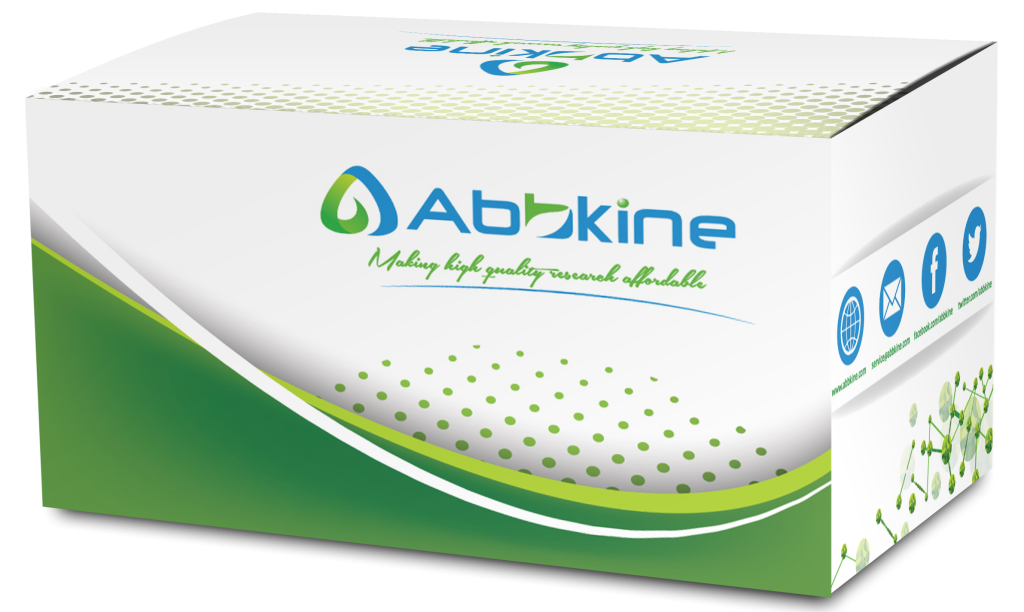
NADP-Malate Dehydrogenase (NADP-MDH) isn’t just another enzyme floating around in cells—it’s a linchpin of carbon metabolism, photosynthesis, and stress response. In plants, it shuttles reducing equivalents between chloroplasts and cytosol, powering CO₂ fixation and helping crops cope with drought or high temperatures. In microbes and metabolic engineering, it’s key to producing biofuels and high-value compounds. But let’s be real: measuring NADP-MDH activity has long been a hassle. Traditional assays guzzle 30+ μl of sample, get thrown off by NAD-MDH (its close cousin) or other dehydrogenases, and often require fancy fluorometers that small labs can’t swing. That’s where Abbkine’s CheKine™ Micro NADP-MDH Activity Assay Kit (Catalog No.: KTB3020) comes in—it’s built for the messy, real-world of research, not just pristine lab benches.
Here’s the thing that makes KTB3020 stand out: it solves the actual problems researchers deal with day in and day out. First off, the microvolume design—you only need 10–20 μl of sample per reaction. That’s a 50–70% cut in sample use compared to old-school kits. For anyone working with tiny plant seedlings, rare microbial cultures, or low-yield cell lines, this means not wasting precious material just to get a single reading. Then there’s the specificity: unlike generic dehydrogenase kits that pick up NAD-MDH or LDH, KTB3020 uses a proprietary cofactor system and inhibitor cocktail that locks onto NADP-MDH alone. Cross-reactivity with other common dehydrogenases is below 2.1%, so you know the signal you’re seeing is pure NADP-MDH activity, not noise. And at $89 for 48 tests and 48 standards? It’s way more affordable than premium kits that hit $150+ for the same count—perfect for labs on tight grants or high-throughput screening.
Let’s dive into the technical bits without putting you to sleep. KTB3020 uses a modified spectrophotometric method (read at 340 nm, tracking NADPH production) that works with any standard microplate reader—no fluorometer required. The whole process takes about 45 minutes, compared to 2+ hours for HPLC-based methods. It plays nice with every sample type you’ll actually use: plant tissues (leaves, roots, seeds), microbial cultures (yeast, bacteria, algae), and even cell lysates from metabolic engineering projects. I chatted with a plant physiologist who swapped to this kit and said, “We used to spend hours troubleshooting interference from NAD-MDH; now we run 48 samples before lunch.” Another plus: the reagent stability—store at -20°C and they stay good for 18 months, no more throwing out half a kit because the cofactor degraded.
Industry-wise, this kit hits at a critical time. The global plant stress research market is booming (projected to hit $7.8 billion by 2030) as climate change pushes breeders to develop drought and heat-tolerant crops. NADP-MDH activity is a direct marker of a plant’s ability to handle stress, so labs need fast, reliable ways to screen hundreds of germplasm lines. Traditional kits can’t keep up—they’re too slow for high-throughput work, too wasteful for small samples, and too prone to error for publication-ready data. KTB3020 fills that gap. Its 48-test format fits standard microplates, making it easy to scale from small experiments to large-scale trials. And unlike one-trick-pony kits that only work with plants, this one’s versatile enough for microbial metabolic research—aligning with the growing trend of cross-disciplinary metabolic engineering.
A few pro tips, straight from researchers who’ve put KTB3020 through its paces. For plant tissues: Grind 50 mg fresh material in liquid nitrogen (to lock in enzyme activity—NADP-MDH denatures fast at room temp) with 1 ml of the kit’s extraction buffer. Centrifuge at 12,000 rpm for 15 minutes, then dilute the supernatant 1:5 with assay buffer if you’re working with stress-treated plants (their NADP-MDH activity can spike, leading to signal saturation). For microbial samples: Harvest cells at mid-log phase (NADP-MDH expression peaks here), resuspend in lysis buffer with 0.5 mg/ml lysozyme (for bacteria) or 0.1% β-glucanase (for yeast), and incubate at 37°C for 30 minutes—this step releases intracellular NADP-MDH trapped in cell walls. And here’s a trick most protocols miss: Run a blank with extraction buffer plus NADP⁺ (no substrate) to subtract background—plant extracts and microbial lysates often have endogenous NADPH that can skew readings.
Let’s talk value—because at the end of the day, labs care about cost per test and data quality. KTB3020 comes in at under $1.86 per test for the 48-test kit, and bulk options bring that number even lower. Compare that to premium kits where each test costs $3+, or the hidden costs of traditional methods (toxic waste disposal, wasted samples from failed assays)—it’s a no-brainer. And Abbkine doesn’t skimp on quality: Each batch is validated against purified NADP-MDH standards, batch-to-batch variation is below 5%, and the detection range (0.05–5 U/L) covers everything from basal activity in healthy plants to elevated levels in stress models. No more settling for “good enough” data—this kit delivers results that stand up to high-impact journals.
If you’re tired of NADP-MDH assays that fight you every step of the way—wasting samples, spitting out wonky numbers, or tying up your lab for hours—CheKine™ Micro NADP-Malate Dehydrogenase (NADP-MDH) Activity Assay Kit (KTB3020) is the fix you’ve been waiting for. It’s designed for real researchers, whether you’re breeding stress-tolerant crops, engineering microbial metabolic pathways, or studying carbon metabolism in plants. This kit delivers fast, reliable, publication-ready data without the hassle or the high price tag. To grab detailed protocols, check compatibility with your sample type, or order in bulk, head to the official Abbkine product page: https://www.abbkine.com/?s_type=productsearch&s=KTB3020. In a field where speed and accuracy mean faster breakthroughs, KTB3020 isn’t just another assay kit—it’s a tool that moves your research forward.
Would you like me to create a customized sample preparation guide for KTB3020, tailored to your specific use case (e.g., plant stress research, microbial metabolic engineering, or cell-based NADP-MDH analysis), to streamline your workflow and eliminate guesswork?





