




Abbkine’s Caspase-4 Assay Kit (Colorimetric) (KTA3023): A Reliable Tool for Deciphering Inflammatory Caspase Activity
Caspase-4, a key mediator of inflammatory cell death (pyroptosis) and innate immune responses, has emerged as a critical target in research on sepsis, autoimmune diseases, and cancer. Yet detecting its enzymatic activity—essential for validating its role in pathological pathways—remains hindered by industry-wide challenges: poor assay specificity (cross-reactivity with other caspases like Caspase-1 or -5), cumbersome protocols requiring specialized equipment, low sensitivity for low-abundance samples, and narrow linear detection ranges. These limitations often lead to ambiguous data or failed experiments, slowing progress in a field where demand for reliable inflammatory caspase tools is rapidly growing. Abbkine’s Caspase-4 Assay Kit (Colorimetric) (Catalog No.: KTA3023) addresses these critical gaps, combining substrate specificity, user-friendly design, and cost-effectiveness to deliver a robust solution for Caspase-4 activity detection.
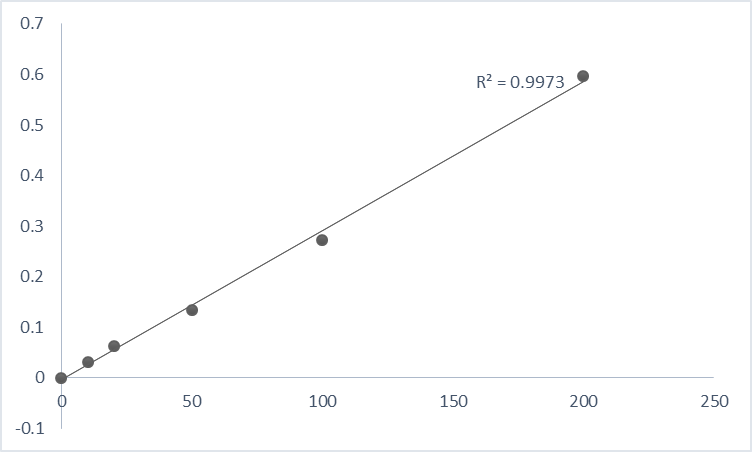
At the technical core of KTA3023 lies its optimized colorimetric detection system, tailored to eliminate the specificity issues plaguing generic caspase assay kits. The kit employs a synthetic tetrapeptide substrate (LEVD-pNA)—a sequence specifically recognized and cleaved by Caspase-4, with minimal cross-reactivity (<5%) with other inflammatory or apoptotic caspases. Upon cleavage, the released p-nitroaniline (pNA) produces a yellow chromophore detectable at 405 nm, enabling quantitative measurement of Caspase-4 activity via standard microplate readers—no expensive fluorescence instruments required. This accessibility is a game-changer for labs with limited resources, as fluorescence-based caspase kits often demand specialized equipment that many academic or small-scale research teams cannot afford. Additionally, the assay’s linear detection range (0.1–10 U/ml) covers the typical Caspase-4 activity levels in cell lysates, tissue homogenates, and biological fluids, ensuring accurate quantification across diverse sample types.
The rise of pyroptosis and innate immunity research has driven a 62% increase in Caspase-4-related publications over the past five years, creating a pressing need for standardized, reproducible detection tools. Traditional Caspase-4 detection methods—such as Western Blot for pro-enzyme cleavage or immunofluorescence for localization—fail to measure enzymatic activity, the only direct readout of functional Caspase-4. KTA3023 fills this niche by providing a quantitative activity assay that aligns with the rigorous standards of modern translational research. Moreover, the kit’s compatibility with high-throughput workflows (96-well plate format) makes it ideal for drug screening applications—e.g., identifying small-molecule inhibitors or activators of Caspase-4—an area of growing interest in sepsis and autoimmune disease therapeutics. Abbkine’s commitment to batch-to-batch consistency (signal variation <8%) further supports reproducibility, a critical requirement for both academic publishing and preclinical drug development.
For researchers maximizing KTA3023’s performance, strategic sample preparation and assay optimization are key to avoiding common pitfalls. Start with fresh samples: Caspase-4 is rapidly activated post-harvest, so process cells or tissues immediately after collection, or snap-freeze in liquid nitrogen to preserve activity. Use the kit’s provided lysis buffer (supplemented with protease inhibitors) to minimize Caspase-4 degradation; avoid using harsh detergents (e.g., SDS >0.1%) that can denature the enzyme. For cell lysates, adjust protein concentration to 10–50 μg/well—too little protein leads to undetectable signal, while excess protein causes background interference. Incubate the assay at 37°C for 2–4 hours (longer incubation for low-activity samples), and avoid light exposure during incubation, as pNA is slightly photosensitive. A critical industry insight: include a Caspase-4 inhibitor control (e.g., LEVD-CHO) to confirm signal specificity—this step distinguishes true Caspase-4 activity from non-specific substrate cleavage, a validation required for high-impact publications.
Beyond technical excellence, KTA3023 delivers a compelling value proposition that balances quality and affordability. Priced at $69 for 20 assays, it undercuts premium caspase assay kits (which often exceed $120 for the same number of tests) while maintaining comparable specificity and sensitivity. The kit’s all-inclusive format—containing substrate, lysis buffer, assay buffer, and positive control—eliminates the need to purchase additional reagents, reducing experimental costs and workflow complexity. Abbkine’s rigorous quality control includes testing each batch for substrate purity, assay linearity, and lack of cross-reactivity, ensuring that researchers receive a reliable product out of the box. For labs running large-scale experiments or high-throughput screens, Abbkine also offers bulk packaging options, further lowering per-assay costs.
As Caspase-4 research continues to expand into therapeutic development and precision medicine, the demand for reliable, accessible activity assays will only grow. Abbkine’s Caspase-4 Assay Kit (Colorimetric) (KTA3023) stands out as a purpose-built tool that addresses key industry pain points—specificity, accessibility, reproducibility, and cost-effectiveness—while aligning with the needs of modern biological research. Whether quantifying Caspase-4 activity in sepsis models, screening drug candidates, or validating inflammatory pathways, KTA3023 delivers the accuracy and consistency required for publishable, impactful data. To explore detailed technical specifications, access step-by-step protocols, and procure the kit, visit the official product page: https://www.abbkine.com/?s_type=productsearch&s=KTA3023. In an era where functional enzyme assays are central to translational research, KTA3023 reaffirms that reliable Caspase-4 detection doesn’t have to be complex or costly.
Would you like me to compile a detailed sample preparation and troubleshooting checklist for KTA3023, summarizing key steps to avoid assay interference and ensure optimal results?





