




Abbkine PINK1 Polyclonal Antibody (ABP59917): A Precision Tool for Mitochondrial Biology and Parkinson’s Disease Research
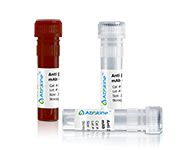
PTEN-induced putative kinase protein 1 (PINK1), a mitochondrial-localized serine/threonine kinase, stands as a central player in cellular homeostasis—governing mitochondrial quality control, mitigating stress-induced mitochondrial dysfunction, and acting as a critical genetic determinant of autosomal recessive early-onset Parkinson’s disease (PD). Mutations in the PINK1 gene disrupt mitochondrial repair and clearance pathways, driving neuronal loss in the substantia nigra and contributing to the pathogenesis of PD and other neurodegenerative disorders linked to mitochondrial dysfunction. For researchers across neurobiology, mitochondrial biology, and translational neurodegenerative disease research, the specific and sensitive detection of endogenous PINK1 protein is a prerequisite for unraveling its mechanistic roles and validating its potential as a therapeutic target. The Abbkine PINK1 Polyclonal Antibody (Cat. No. ABP59917) (product link: https://www.abbkine.com/product/pink1-polyclonal-antibody-abp59917/) is engineered to address the core technical challenges of PINK1 detection, delivering exceptional specificity, cross-species reactivity, and application flexibility for endogenous PINK1 analysis. This antibody is not just a research reagent; it is a purpose-built tool tailored to the unique biological properties of mitochondrial PINK1, offering actionable practical guidance and industry-leading performance that empowers researchers to generate definitive, publishable data in PINK1 and mitochondrial dysfunction research.
Epitope-specific immunogen design and rigorous affinity purification form the foundational technical strength of the Abbkine PINK1 Polyclonal Antibody ABP59917, eliminating the most common pitfall of PINK1 detection: non-specific binding and off-target signal in complex cellular lysates, particularly mitochondrial fractions. The antibody is generated using a synthetic peptide immunogen derived from a conserved region of the human PINK1 protein, a strategic selection that targets a unique epitope of the kinase and avoids highly conserved kinase domains shared with other serine/threonine kinases. Critical to its performance, the antibody is affinity-purified from rabbit antiserum via epitope-specific affinity chromatography—a purification method that enriches for high-affinity antibody clones and depletes non-specific immunoglobulins, resulting in a highly pure antibody preparation that exclusively detects endogenous PINK1 protein. This level of specificity is validated by the antibody’s detection of a single, sharp band at the expected molecular weight of 63 kD in Western Blot (WB) assays, with no smearing or off-target bands even in mitochondrial-enriched cell lysates—a common challenge for PINK1 antibodies due to the complexity of mitochondrial protein extracts. For researchers, this means the Abbkine ABP59917 PINK1 Polyclonal Antibody provides unambiguous detection of PINK1, eliminating the need for time-consuming validation of band identity and ensuring accurate quantification of endogenous PINK1 levels in all experimental systems.
Tri-species reactivity with human, mouse, and rat PINK1 is a transformative feature of the Abbkine ABP59917 PINK1 Polyclonal Antibody, addressing a key industry need in translational neurodegenerative disease research and streamlining preclinical to clinical research workflows. PINK1 and PD research relies heavily on mouse and rat models for in vivo studies of mitochondrial dysfunction, neuronal loss, and therapeutic testing, while human sample analysis is essential for validating findings in patient-derived cells and clinical specimens. Unlike many PINK1 antibodies that are restricted to a single species or exhibit weak cross-reactivity in rodent models, ABP59917 is fully validated for specific PINK1 detection in human, mouse, and rat samples—enabling a seamless transition between in vitro human cell culture (e.g., iPSC-derived neurons), in vivo rodent preclinical models, and human PD patient samples. This tri-species compatibility eliminates the logistical and financial burden of purchasing and validating separate antibodies for different species, reduces experimental variability across model systems, and ensures that preclinical findings in rodents are directly translatable to human biology—a critical gap in PD research where species-specific protein function often limits translational progress. For labs of all sizes, this feature translates to faster assay development, lower research costs, and more consistent data across basic and translational PINK1 research.
Validated performance across two key experimental applications—Western Blot (WB) and Enzyme-Linked Immunosorbent Assay (ELISA)—with clearly defined starting working dilutions delivers unparalleled user-friendliness and minimizes trial-and-error optimization, a core practical benefit of the Abbkine PINK1 Polyclonal Antibody ABP59917. The antibody is recommended for WB at a starting dilution of 1:500–2000 and for ELISA at 1:5000–20000, with the flexibility to optimize dilutions for specific sample types (e.g., whole-cell lysates, mitochondrial fractions, cell culture supernatants, serum). This clear guidance addresses a major industry pain point: many research antibodies provide vague or no dilution recommendations, forcing researchers to spend valuable time and resources on serial dilution testing to identify optimal working conditions. For WB, the 1:500–2000 dilution range is well-suited for both total and mitochondrial-enriched lysates, with the higher end of the range ideal for detecting low-abundance PINK1 in post-mitotic neurons (a key cell type in PD research with low basal PINK1 expression). For ELISA, the high starting dilution of 1:5000–20000 reflects the antibody’s high titer and affinity, enabling sensitive quantitative detection of soluble PINK1 in biological fluids with minimal antibody input—an essential capability for translational studies profiling PINK1 levels in PD patient serum or cerebrospinal fluid (CSF). The compatibility with both qualitative (WB) and quantitative (ELISA) assays further positions ABP59917 as a versatile tool for both exploratory mechanistic research (e.g., assessing PINK1 cleavage after mitochondrial stress) and quantitative protein expression analysis (e.g., measuring PINK1 upregulation in response to neuroprotective compounds).
Optimized liquid formulation and robust storage stability of the Abbkine ABP59917 PINK1 Polyclonal Antibody ensure long-term functionality and experimental reproducibility, with actionable practical guidelines to preserve antibody activity—critical for research reagents used in intermittent experimental workflows common in neurodegenerative disease research. The antibody is supplied as a ready-to-use liquid solution at a concentration of 1 mg/ml, formulated in a buffered solution of PBS with 50% glycerol, 0.05% Proclin 300, and 0.05% BSA. This formulation is engineered for maximum antibody stability: glycerol prevents ice crystal formation during freezing (a major cause of antibody denaturation), Proclin 300 acts as a broad-spectrum preservative to inhibit microbial growth, and BSA serves as a protein stabilizer to prevent PINK1 antibody epitope degradation. The antibody is stable for one year at -20°C from the date of shipment, with two key practical storage guidelines to maximize recovery and activity: centrifuge the original vial after thawing and prior to removing the cap (to collect antibody that may have adhered to the vial wall), and aliquot the antibody upon first use to avoid repeated freezing and thawing. Repeated freeze-thaw cycles are a leading cause of reduced antibody affinity and specificity, and aliquoting into small volumes (e.g., 5 μl or 10 μl) ensures that only fresh antibody is used for each experiment. Unlike lyophilized antibodies that require reconstitution (a step that introduces variability in concentration and activity), the liquid formulation of ABP59917 is ready for immediate use, reducing experimental variability and ensuring consistent PINK1 detection across all experimental runs.
Targeted practical guidance for PINK1-specific sample preparation, paired with the unique properties of the Abbkine ABP59917 PINK1 Polyclonal Antibody, addresses the technical challenges of detecting mitochondrial-localized PINK1—an often-overlooked aspect of PINK1 research that can make or break experimental results. PINK1 is primarily localized to the outer mitochondrial membrane, and its detection requires efficient mitochondrial lysis to release the protein without denaturation—a critical step that many generic antibody protocols fail to address. For WB analysis of mitochondrial PINK1 using ABP59917, we recommend using a mild, non-ionic detergent-based mitochondrial lysis buffer (e.g., 1% Triton X-100) rather than harsh ionic detergents (e.g., SDS), which can denature the PINK1 epitope recognized by the antibody and reduce signal intensity. Additionally, mitochondrial fractions should be prepared using a differential centrifugation protocol to minimize cytosolic contamination, as high cytosolic protein levels can mask low-abundance mitochondrial PINK1 signal. For ELISA analysis of soluble PINK1, we recommend using a carbonate-bicarbonate coating buffer (pH 9.6) to optimize antibody-antigen binding, as PINK1’s mitochondrial localization gives it a unique isoelectric point that performs best in this buffer system. These PINK1-specific practical tips, tailored to the Abbkine ABP59917 PINK1 Polyclonal Antibody’s epitope recognition, ensure that researchers maximize signal intensity and specificity, even for low-abundance or subcellularly localized PINK1.
The Abbkine PINK1 Polyclonal Antibody ABP59917 occupies a pivotal position in the rapidly evolving landscape of mitochondrial biology and neurodegenerative disease research, aligning with key industry trends in PD therapeutic development and mitochondrial quality control targeting. PINK1 is a leading therapeutic target for PD, with research focused on activating PINK1-mediated mitophagy to clear damaged mitochondria and prevent neuronal loss—an approach that has shown promise in preclinical rodent models. ABP59917 enables the precise quantification of PINK1 protein levels in response to novel small-molecule activators or gene therapy approaches, a critical step in validating on-target therapeutic activity and optimizing drug dosing in preclinical models. Beyond PD, PINK1 dysfunction is linked to other neurodegenerative disorders (e.g., Alzheimer’s disease, amyotrophic lateral sclerosis) and age-related mitochondrial decline, making ABP59917 a valuable tool for researchers investigating the broader role of PINK1 in neuronal health and aging. The antibody’s tri-species reactivity and quantitative ELISA compatibility also make it an ideal tool for large-scale preclinical studies, enabling high-throughput screening of PINK1-modulating compounds in rodent models and laying the groundwork for translational human studies. As the biopharmaceutical industry increases investment in mitochondrial-targeted neurodegenerative disease therapies, the demand for validated, specific PINK1 detection tools will only grow, and ABP59917 is poised to be the gold standard for this research.
Exceptional cost-effectiveness, paired with industry-leading performance, makes the Abbkine PINK1 Polyclonal Antibody ABP59917 an accessible tool for labs of all sizes—from small academic research groups to large pharmaceutical drug discovery teams. Priced at $109 for 30 μl of 1 mg/ml antibody, ABP59917 offers unrivaled value: the high starting dilutions for WB (1:500–2000) and ELISA (1:5000–20000) mean a single vial provides sufficient antibody for dozens of experiments, far exceeding the performance of more expensive PINK1 antibodies on the market. Further, the antibody’s rigorous validation for endogenous PINK1 detection eliminates the need for time-consuming and costly in-house validation—a major benefit for early-career researchers or labs with limited resources. Abbkine’s commitment to quality is evident in every aspect of ABP59917’s design, from the epitope-specific immunogen selection and affinity purification to the optimized formulation and storage stability, making this antibody a reliable and cost-effective choice for all PINK1, mitochondrial biology, and PD research.
In conclusion, the Abbkine PINK1 Polyclonal Antibody (Cat. No. ABP59917) is a premier research tool that redefines the standard for endogenous PINK1 detection, offering a unique combination of exceptional specificity, tri-species (human/mouse/rat) reactivity, validated WB/ELISA performance, and PINK1-specific practical guidance (product link: https://www.abbkine.com/product/pink1-polyclonal-antibody-abp59917/). Its epitope-specific design and affinity purification ensure unambiguous detection of PINK1 at 63 kD with no off-target signal, even in complex mitochondrial fractions; its cross-species reactivity streamlines preclinical to translational research in PD; its clear dilution guidelines minimize experimental optimization; and its optimized formulation and storage tips preserve antibody activity for long-term use. More than just an antibody, ABP59917 is a comprehensive tool for PINK1 research, addressing the unique technical challenges of detecting this mitochondrial kinase and empowering researchers to generate definitive data on its role in mitochondrial quality control and neurodegenerative disease. For any lab committed to rigorous PINK1, mitochondrial biology, or Parkinson’s disease research, the Abbkine ABP59917 PINK1 Polyclonal Antibody is the gold standard—delivering the performance, practicality, and value needed to advance groundbreaking research and translate fundamental discoveries into new therapies for mitochondrial dysfunction-related disorders.





