




Abbkine KTA2020 Cell Cycle Staining Kit: Addressing Industry Pain Points in Cell Cycle Analysis
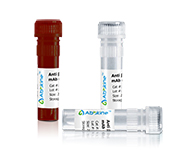
In the landscape of cellular biology research, accurate cell cycle phase quantification stands as a cornerstone for deciphering cell proliferation, differentiation, and pathological alterations—yet it’s a process plagued by persistent industry pain points that hinder efficiency and reliability. Many traditional cell cycle staining methods demand labor-intensive sample preparation, from tedious cell fixation and permeabilization steps to precise reagent titration, often leading to inconsistent results across experiments or labs. Researchers frequently grapple with issues like nonspecific staining artifacts, poor signal-to-noise ratios, and lengthy protocol timelines that delay data acquisition, especially when working with limited sample volumes or fragile cell populations. Compounding these challenges is the lack of user-friendly kits that balance accuracy with convenience, forcing teams to compromise either on data quality or workflow efficiency. It’s within this context that Abbkine’s Cell Cycle Staining Kit (Catalog No.: KTA2020) emerges as a targeted solution, designed to mitigate the core pain points that have long plagued cell cycle analysis workflows.
At its core, the Abbkine KTA2020 Cell Cycle Staining Kit redefines convenience without sacrificing analytical precision—a balance that’s been elusive in many competing products. Unlike traditional protocols that require multiple reagent mixes and strict incubation time windows, this all-in-one kit streamlines the process into straightforward steps, minimizing the risk of human error and reducing hands-on time. The kit’s pre-optimized staining formulation ensures uniform labeling of cellular DNA, delivering consistent peak resolution in flow cytometry analysis—critical for accurately distinguishing G0/G1, S, and G2/M phases. What sets it apart is its ability to handle diverse sample types, from adherent cell lines (such as HeLa, MCF-7, and NIH/3T3) to suspension cells and even primary cells, without the need for extensive protocol modifications. This versatility addresses a major industry grievance: the need for specialized kits for different cell models, which increases costs and complicates lab inventory management.
Accuracy is non-negotiable in cell cycle analysis, and the KTA2020 Cell Cycle Staining Kit is engineered to deliver reliable, reproducible data that meets rigorous academic and industrial standards. The kit’s staining reagent exhibits high specificity for DNA, with minimal nonspecific binding that can obscure phase boundaries— a common issue with low-quality dyes that leads to ambiguous data interpretation. Each batch of the Abbkine cell cycle staining kit undergoes strict quality control testing, including validation of staining uniformity, signal stability, and compatibility with standard flow cytometers. This batch-to-batch consistency is a game-changer for labs aiming to produce reproducible results, a key requirement for scientific publication and drug development research. Researchers can trust that data generated with KTA2020 will stand up to scrutiny, whether they’re investigating the effects of a potential anticancer drug on cell cycle arrest or studying cell cycle dysregulation in disease models.
From a practical standpoint, the KTA2020 kit’s 50-test format strikes an ideal balance between utility and cost-effectiveness, catering to both small-scale academic labs and high-throughput industrial settings. Priced at $79 per kit, it offers exceptional value compared to premium competitors that charge two to three times more for similar functionality. For labs operating on tight budgets, this affordability doesn’t mean cutting corners—it means accessing a high-performance tool that reduces the total cost of experimentation by minimizing reagent waste and repeat experiments caused by unreliable results. Additionally, the kit’s straightforward protocol requires no specialized equipment beyond a flow cytometer, making it accessible to labs with limited resources—addressing another industry pain point: the barrier to entry for advanced cell cycle analysis techniques.
Looking at the broader industry context, the demand for efficient, accurate cell cycle analysis tools is on the rise as research into personalized medicine, cancer therapeutics, and regenerative biology expands. Traditional methods are struggling to keep pace with the growing volume of samples and the need for rapid data turnaround. The Abbkine KTA2020 Cell Cycle Staining Kit aligns with this trend by offering a workflow that’s both time-efficient and robust, enabling researchers to process more samples without compromising data quality. Its compatibility with standard flow cytometry workflows also ensures seamless integration into existing lab protocols, eliminating the need for costly equipment upgrades or extensive staff training. This adaptability is crucial in an industry where research priorities and methodologies evolve rapidly.
For researchers tired of navigating the frustrations of traditional cell cycle staining—from inconsistent results to cumbersome protocols—the Abbkine KTA2020 Cell Cycle Staining Kit represents a paradigm shift. It directly addresses the industry’s most pressing pain points: unreliability, complexity, limited versatility, and cost-prohibitive solutions. By combining pre-optimized formulations, user-friendly protocols, and exceptional value, this kit empowers labs to focus on what matters most—generating impactful research—rather than troubleshooting staining procedures.
If you’re ready to streamline your cell cycle analysis workflow and overcome the common hurdles that slow down your research, explore the Abbkine Cell Cycle Staining Kit (KTA2020) in detail on the official product page: https://www.abbkine.com/?s_type=productsearch&s=KTA2020. Whether you’re a seasoned researcher or just starting to incorporate cell cycle analysis into your work, this kit delivers the accuracy, convenience, and value that modern cellular biology research demands.





