




Abbkine Human Prohibitin (PHB) ELISA Kit (KTE61222): Precision Quantification for PHB-Driven Cell Biology and Oncobiology Research
Prohibitin (PHB), an evolutionarily conserved protein encoded by the PHB gene on the BRCA1-associated 17q21 chromosomal region, is a multifunctional player in cellular biology—with roles spanning cell proliferation regulation, mitochondrial homeostasis, and oncogenic pathway modulation. While its initial characterization as a tumor suppressor was linked to its gene’s 3' UTR rather than the protein itself, accurate quantification of human PHB protein levels remains critical for unraveling its true functional role in normal and pathological cellular states, from cancer progression to mitochondrial dysfunction. For researchers across cell biology, oncobiology, and translational research, the Abbkine Human Prohibitin (PHB) ELISA Kit (Cat. No. KTE61222) (product link: https://www.abbkine.com/product/human-prohibitin-phb-elisa-kit-kte61222/) is a purpose-engineered tool that addresses the unique challenges of PHB protein detection, offering unrivaled specificity, sensitivity, and reproducibility for human PHB quantification. This kit transcends generic ELISA platforms by tailoring its design to the biological properties of PHB, making it the gold standard for both basic lab research and preclinical translational studies focused on this pivotal protein.
Targeted antibody engineering forms the foundational strength of the Abbkine Human Prohibitin (PHB) ELISA Kit KTE61222, underpinning its industry-leading specificity for human PHB (PHB1). Prohibitins are classified into Type-I (PHB1/PHB) and Type-II (PHB2) isoforms, which share structural homology and often form heteromeric complexes in cells—a feature that has plagued many generic PHB detection assays with cross-reactivity between the two isoforms, leading to inaccurate protein quantification. Abbkine’s KTE61222 kit resolves this critical issue by using a pair of highly specific monoclonal antibodies that target unique epitopes on human PHB1, with no significant cross-reactivity observed with PHB2 or other PHB analogues. The capture antibody is pre-coated onto microplates to ensure consistent antigen binding, while the biotin-conjugated detection antibody enables selective recognition of captured PHB1—creating a two-site sandwich ELISA system that measures only the full-length, functional human PHB protein in samples. This isoform-specific detection is not just a technical feature; it is a research necessity, as PHB1 and PHB2 exhibit distinct functional roles in cells, and conflating their levels with non-specific assays leads to misinterpretation of experimental data on PHB-driven cellular processes.
Sample compatibility of the Abbkine KTE61222 Human Prohibitin (PHB) ELISA Kit is optimized for the diverse research workflows that investigate PHB biology, with validated use in human cell culture supernatants, plasma, serum, and other biological fluids—eliminating the need for labor-intensive sample preprocessing that risks PHB protein degradation. For oncobiology researchers working with clinical plasma and serum samples (the primary matrices for translational PHB research in cancer patients), this compatibility streamlines the transition from in vitro cell models to human clinical specimens, with only minimal sample preparation required: plasma samples should be centrifuged at 1000×g for 15 minutes at 4°C within 30 minutes of collection to remove cellular debris and avoid hemolysis (hemoglobin interferes with the kit’s colorimetric HRP detection system), while serum samples require a 2-hour room temperature clotting step followed by the same centrifugation protocol to isolate PHB-containing supernatant. For cell culture supernatants, a simple 1000×g centrifugation for 20 minutes is sufficient to remove floating cells and debris that clog microplate wells and disrupt antibody-antigen binding. Notably, the kit requires no protein extraction or purification steps for any sample type, preserving the native PHB protein concentration and avoiding the loss of soluble PHB that occurs with harsh lysis buffers—an essential benefit for studying secreted PHB in cell culture supernatants, a lesser-explored pool of the protein with emerging functional roles in intercellular signaling.
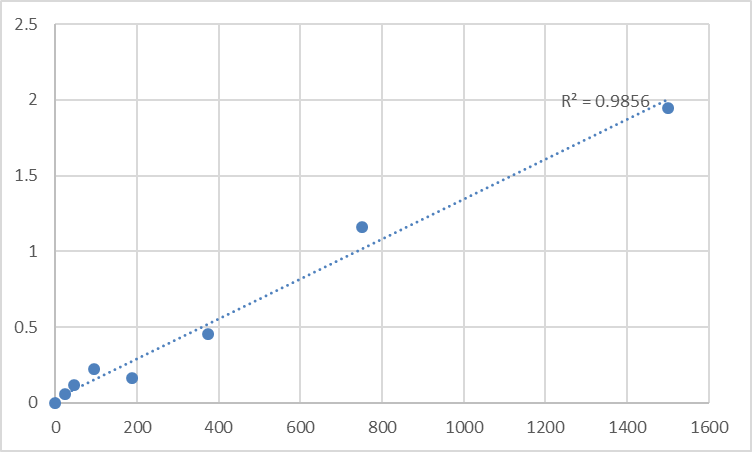
Assay workflow optimization in the Abbkine Human Prohibitin (PHB) ELISA Kit KTE61222 balances experimental efficiency and data accuracy, with a 3–5 hour working time that is calibrated for PHB’s unique binding kinetics rather than rushed “rapid assay” timelines that compromise results. The kit’s step-by-step protocol is designed to minimize technical variability, with key recommendations that are not just generic ELISA best practices but tailored to PHB quantification. For example, the kit stresses frequent gentle mixing (via low-frequency oscillator or light hand shaking every 10 minutes) during all incubation steps—a critical step for PHB, as the protein has a slight hydrophobic tendency that can lead to local concentration gradients in microplate wells if left unmixed, resulting in uneven antibody binding and inconsistent OD readings. Additionally, the kit recommends assaying all samples and standards in duplicate or triplicate, a practice that is especially important for low-abundance PHB samples (e.g., normal human serum, where PHB levels are far lower than in cancer cell supernatants). When run according to these guidelines, the kit produces a standard curve with a linearity R² value of 0.9856—a benchmark for accurate ELISA quantification—with recombinant PHB standards that are optimized to match the matrix of human biological samples (via the provided standard diluent) to eliminate matrix effects, a common source of under- or over-quantification of PHB in generic assays that use non-matched diluents.
Reagent handling and storage protocols for the Abbkine KTE61222 PHB ELISA Kit are engineered to preserve the activity of its PHB-specific antibodies and standards, addressing the most common causes of assay failure in antibody-based PHB detection. The unopened kit is stable for long-term storage at 2–8°C, with no need for ultra-low temperature freezers, making it accessible to labs of all sizes; unused pre-coated microplate wells must be stored desiccated at 4°C in the original sealed bag, as moisture absorption degrades the capture antibody’s epitope-binding capacity—even brief exposure to ambient humidity can reduce PHB detection sensitivity by up to 30%. All kit reagents (standards, detection antibody, Streptavidin-HRP) must be allowed to warm to room temperature for at least 30 minutes before opening, a step that is non-negotiable for PHB quantification: cold antibodies exhibit altered binding kinetics to PHB’s unique epitopes, leading to reduced signal intensity and non-linear standard curves. Further, the kit prohibits mixing components from different lots, as batch-to-batch antibody affinity differences would introduce uncorrectable variability in PHB measurements—an important guardrail, as PHB’s low abundance in many samples means even small variations in antibody activity translate to large errors in quantified protein levels. Simple steps like pre-rinsing pipet tips with the corresponding reagent and using fresh tips for each sample/standard also prevent cross-contamination and reagent carryover, ensuring that PHB quantification data is consistent across experimental runs and lab members.
The Abbkine Human Prohibitin (PHB) ELISA Kit KTE61222 delivers unique translational research value for investigating the link between PHB and oncogenic pathways, a rapidly expanding area of cancer biology research. PHB is located on the 17q21 chromosomal region, which is closely associated with BRCA1—a major tumor suppressor gene mutated in breast and ovarian cancer—and while PHB’s own protein-level tumor suppressor activity was disproven, its expression is dysregulated in a wide range of cancers, including breast, lung, and prostate cancer. The kit’s ability to accurately quantify PHB protein levels in human clinical plasma/serum samples enables researchers to establish correlations between PHB expression and cancer stage, prognosis, or treatment response—data that is impossible to generate with cell model-only research. For preclinical drug discovery, the kit is a powerful tool for screening novel compounds that modulate PHB expression: it can quantify changes in PHB levels in cancer cell lines treated with candidate therapeutics, enabling the identification of compounds that target PHB-driven mitochondrial function or cell proliferation. Unlike Western blotting, which is semi-quantitative and requires large sample volumes, the KTE61222 kit offers quantitative PHB measurement with minimal sample input—an essential benefit for translational research, where clinical sample volumes are often limited and precious.
Troubleshooting common assay pitfalls with the Abbkine KTE61222 Human Prohibitin (PHB) ELISA Kit is straightforward with a targeted approach that addresses the unique challenges of PHB detection, and this practical guidance is a key part of the kit’s value for both novice and experienced researchers. The most common issue in PHB ELISA assays is a non-linear standard curve (R² < 0.98), which is almost always caused by improper standard preparation: the recombinant PHB standard must be diluted only with the provided standard diluent (not PBS or custom buffers) and prepared fresh immediately before the assay, as diluted standards degrade within 2 hours at room temperature. High background noise, another frequent issue, is typically the result of insufficient washing (the kit requires 3 washes with 30-second soak time per cycle to remove unbound reagents) or over-incubation of the Streptavidin-HRP conjugate (60 minutes at 37°C is optimal; longer incubation increases non-specific binding). Low PHB detection values are often due to sample degradation (repeated freeze-thaw cycles denature PHB, so samples should be aliquoted and stored at -80°C) or cold reagent use (failure to equilibrate reagents to room temperature). By addressing these specific pitfalls—rather than generic ELISA issues—the kit empowers researchers to generate publication-ready PHB quantification data with minimal assay failure, a critical advantage for labs with tight research timelines.
In summary, the Abbkine Human Prohibitin (PHB) ELISA Kit (Cat. No. KTE61222) is more than a standard antibody-based detection tool; it is a precision-engineered system tailored to the biological and technical challenges of human PHB1 quantification, with isoform-specific detection, sample versatility, and optimized workflows that set it apart from generic ELISA kits on the market. Its ability to deliver accurate, reproducible PHB protein levels in both basic cell culture models and human clinical samples makes it an indispensable tool for researchers unraveling PHB’s functional roles in cell proliferation, mitochondrial biology, and cancer progression—while its user-friendly design and robust performance ensure accessibility for labs across all research scales. For any study aiming to generate definitive data on human PHB protein expression, the KTE61222 kit is the gold standard, bridging basic cell biology and translational oncobiology with reliable, publication-worthy results (product link: https://www.abbkine.com/product/human-prohibitin-phb-elisa-kit-kte61222/). As research into PHB’s multifunctional roles in human disease continues to expand, this kit will remain a cornerstone of PHB quantification, enabling discoveries that advance our understanding of this evolutionarily conserved protein and its potential as a therapeutic target in cancer and other human disorders.





