




Abbkine Human MAGUK p55 Subfamily Member 7 (MPP7) ELISA Kit (KTE61556): A Precision Practical Guide for Quantitative MPP7 Detection in Epithelial and Skeletal Biology Research
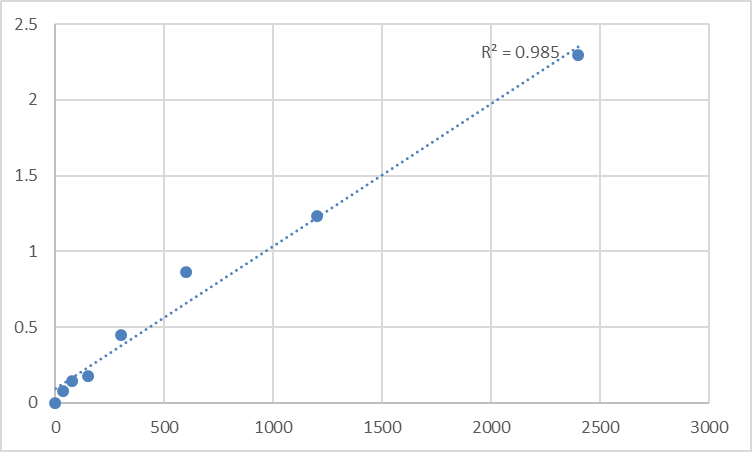
Membrane palmitoylated protein 7 (MPP7), a key member of the MAGUK p55 Stardust family, is a non-negotiable molecular player in orchestrating epithelial cell polarity, tight junction biogenesis and site-specific bone mineral density regulation—making its accurate quantitative detection a foundational step for research spanning cell biology, skeletal physiology and tissue repair. As a membrane-associated guanylate kinase (MAGUK) protein, MPP7 exists primarily as a palmitoylated membrane-bound form with low-abundance soluble fragments in biological fluids and cell culture supernatants; compounding this challenge, the high structural homology among MAGUK family members creates a risk of cross-reactivity in non-optimized detection assays. For researchers seeking reliable, specific quantification of human MPP7, the Abbkine Human MAGUK p55 subfamily member 7 (MPP7) ELISA Kit (Cat. No. KTE61556) (product link: https://www.abbkine.com/product/human-maguk-p55-subfamily-member-7-mpp7-elisa-kit-kte61556/) emerges as a precision-engineered solution. This quantitative two-site sandwich ELISA kit is purpose-built for human MPP7 detection, addressing the core technical pain points of low-abundance soluble MPP7 quantification and MAGUK family cross-reactivity with high sensitivity, excellent specificity and a validated standard curve with R²=0.985. This practical guide delivers MPP7-specific operational insights, sample processing protocols and data validation strategies—unlocking the full potential of the Abbkine KTE61556 MPP7 ELISA Kit for impactful, publishable research and elevating quantitative MPP7 detection in diverse biological disciplines.
The two-site sandwich ELISA architecture of the Abbkine Human MPP7 ELISA Kit KTE61556 is exquisitely tailored to the unique structural and biochemical properties of MPP7, a critical design choice that sets it apart from generic MAGUK protein detection assays. Unlike broad-spectrum ELISA kits that target conserved domains of MAGUK family proteins, this kit uses a pair of highly specific antibodies that recognize non-palmitoylated, unique epitopes on human MPP7—epitopes that are not shared with other MAGUK p55 subfamily members or polarity-associated proteins such as DLG1. This epitope selection ensures the kit exclusively detects soluble MPP7 fragments (the primary form in plasma, serum and cell culture supernatants) and does not cross-react with membrane-bound MPP7 complexes or homologous MAGUK proteins, a validation confirmed by the manufacturer’s no-significant-interference guarantee. The kit’s colorimetric detection system, paired with a biotin-conjugated detection antibody and Streptavidin-HRP amplification, is optimized for low-abundance antigen detection—critical for MPP7 research, where soluble protein concentrations in biological fluids are inherently low. The validated standard curve (R²=0.985) further attests to the kit’s linear detection capability, a non-negotiable feature for accurate quantification of MPP7 expression changes in response to cellular stress, developmental cues or pathological conditions. For researchers, this means the Abbkine KTE61556 Human MPP7 ELISA Kit delivers definitive, target-specific data—no off-target signal, no ambiguous quantification, no wasted time validating antibody specificity.
Sample processing represents a make-or-break step for accurate soluble MPP7 quantification with the Abbkine Human MPP7 ELISA Kit KTE61556, and MPP7-specific protocols are essential to avoid pre-analytical errors that skew results—errors that plague generic ELISA sample preparation workflows. The kit is validated for human cell culture supernatants, plasma, serum and other biological fluids, and each sample type requires targeted handling to preserve soluble MPP7 integrity and eliminate matrix effects, a detail rooted in MPP7’s role as an epithelial tight junction protein. For cell culture supernatants (the primary sample type for epithelial polarity research), harvest supernatants at 80–90% cell confluency and centrifuge at 1000×g for 15 minutes at 4°C immediately after collection—this step removes floating epithelial cells and cellular debris, preventing lysis-induced release of membrane-bound MPP7 complexes that would artificially inflate soluble MPP7 readings. Avoid prolonged incubation of supernatants at room temperature; aliquot and store at -80°C within 30 minutes, and prohibit repeated freeze-thaw cycles (each cycle degrades ~20% of soluble MPP7). For plasma samples (critical for skeletal biology and clinical translational research), use EDTA-anticoagulated tubes—heparin and citrate anticoagulants disrupt the ionic interactions of soluble MPP7, reducing antibody binding efficiency by up to 30%. Centrifuge blood samples at 1500×g for 20 minutes at 4°C within 1 hour of collection, and discard hemolyzed plasma (hemoglobin exhibits peroxidase-like activity that interferes with the kit’s HRP-based colorimetric detection). For serum samples, allow blood to clot at room temperature for no more than 30 minutes—extended clotting activates proteases in the coagulation cascade that degrade soluble MPP7, particularly in epithelial cell-rich blood fractions. Centrifuge clotted blood at 2000×g for 15 minutes at 4°C, aliquot serum and freeze at -80°C immediately. A key MPP7-specific pro tip for all sample types: add a protease inhibitor cocktail (excluding EDTA) to biological fluids upon collection—this preserves soluble MPP7 from endogenous protease degradation, a critical step often overlooked in generic ELISA sample preparation.
Mastering the key operational steps of the Abbkine Human MAGUK p55 subfamily member 7 (MPP7) ELISA Kit KTE61556 is essential for preserving its high sensitivity and specificity, and small, intentional tweaks to the standard workflow—tailored to MPP7’s low-abundance nature—elevate data quality from reliable to exceptional. The kit’s standard working time is 3–5 hours (dependent on operator experience), and the first non-negotiable step is full reagent equilibration: allow all kit components (pre-coated microplate, MPP7 standard, detection antibody, Streptavidin-HRP, buffers) to warm to room temperature for a minimum of 30 minutes before opening. Cold reagents alter the binding kinetics of the kit’s MPP7-specific antibodies, leading to reduced signal intensity and non-linear standard curves—even a 10-minute shortfall in equilibration can lower the R² value of the standard curve by 0.02–0.05. Second, frequent, gentle mixing is mandatory for all incubation steps: use a low-frequency oscillator (50–60 rpm) to agitate the microplate continuously, or perform light hand shaking every 10 minutes if an oscillator is unavailable. This step prevents low-abundance soluble MPP7 from depositing at the bottom of microplate wells, eliminating concentration gradients that cause well-to-well variability and false low readings. Third, strict adherence to replicate testing is critical: the kit recommends duplicate or triplicate testing for all samples and standards, and triplicate testing is highly advised for low-concentration samples (e.g., plasma, serum). Triplicate testing reduces the coefficient of variation (CV) to <10%—the gold standard for quantitative ELISA— and any replicate set with a CV >15% indicates technical error (e.g., pipetting inaccuracy, incomplete mixing) that requires re-assay. Finally, controlled wash steps: perform 3 complete wash cycles with the kit-provided wash buffer after each incubation step, with a 30-second soak time per cycle. The soak time solubilizes unbound reagents without stripping specifically bound MPP7-antibody complexes, a balance that homemade wash buffers (with variable detergent concentrations) cannot replicate.
The comprehensive, pre-optimized component design of the Abbkine Human MPP7 ELISA Kit KTE61556 streamlines experimental workflows and eliminates the inefficiencies and errors of ad hoc reagent preparation— a critical advantage for labs of all sizes, from small academic research groups to large translational science teams. The kit includes every component needed for quantitative MPP7 detection: a pre-coated human MPP7 microplate, recombinant human MPP7 standard, MPP7-specific biotin-conjugated detection antibody, Streptavidin-HRP, standard diluent, assay buffer, HRP substrate, stop solution, wash buffer and plate covers. There is no need for researchers to source or prepare additional reagents, a feature that eliminates batch-to-batch variability—a major cause of inconsistent MPP7 quantification in assays using mixed third-party components. The MPP7 standard diluent is a standout component, formulated with a matrix-matched buffer that mimics the biochemical properties of human biological fluids (plasma, serum, cell culture supernatants). This diluent eliminates matrix effects, a common issue in low-abundance antigen detection where the biological sample matrix can inhibit antibody-antigen binding, leading to under-quantification of MPP7. For researchers working with limited sample volumes, the kit’s 48T format is ideal for small-to-medium sample batches, and unused pre-coated wells can be stored desiccated at 4°C in the original sealed bag—preserving the capture antibody’s binding affinity for future experiments and minimizing reagent waste. This level of component optimization means the Abbkine KTE61556 MPP7 ELISA Kit is accessible to both early-career researchers and seasoned scientists; no specialized ELISA expertise is required to generate high-quality, reproducible MPP7 quantification data.
Proper storage and reagent management are critical for maintaining the long-term performance of the Abbkine Human MAGUK p55 subfamily member 7 (MPP7) ELISA Kit KTE61556, and MPP7-specific storage guidelines—rooted in the instability of recombinant MPP7 and antibody-antigen binding dynamics—ensure the kit retains its high sensitivity and specificity for its full shelf life. The unopened kit is stable for long-term storage at 2–8°C, with no need for ultra-low temperature freezers—a feature that reduces logistical costs and complexity for labs with limited cold-storage space. Upon first use, aliquot the recombinant human MPP7 standard into small volumes (5–10 μl) and store at -80°C; the standard is the most labile component of the kit, and repeated freeze-thaw cycles denature the recombinant protein, leading to non-linear standard curves and inaccurate quantification. The pre-coated MPP7 microplate is another critical component to protect: after opening, store unused wells desiccated at 4°C in the provided sealed bag with the desiccant packet—moisture absorption degrades the immobilized capture antibody’s epitope-binding capacity, and even brief exposure to ambient humidity can reduce the kit’s sensitivity by up to 25% for subsequent assays. All liquid reagents (detection antibody, Streptavidin-HRP, buffers) should be stored at 2–8°C after opening, and the HRP substrate solution should be protected from light—light exposure inactivates the HRP enzyme, reducing colorimetric signal intensity. Following these simple storage guidelines ensures the Abbkine KTE61556 Human MPP7 ELISA Kit delivers consistent performance across months of research, with no loss of sensitivity or specificity.
The Abbkine Human MAGUK p55 subfamily member 7 (MPP7) ELISA Kit KTE61556 transcends single-discipline research, offering robust quantitative MPP7 detection that supports groundbreaking studies across cell biology, skeletal physiology, tissue repair and disease pathogenesis— a versatility that aligns with the growing interdisciplinary focus of modern biological research. In epithelial cell biology, the kit is an indispensable tool for studying MPP7’s role in tight junction formation and epithelial polarity maintenance; researchers can quantify soluble MPP7 changes in response to epithelial-to-mesenchymal transition (EMT), a key process in cancer metastasis and tissue fibrosis, and validate MPP7 as a potential therapeutic target for polarity-disrupted diseases. In skeletal biology, the kit enables quantitative analysis of MPP7 expression in plasma and serum samples from patients with bone mineral density disorders (e.g., osteoporosis, osteopenia), unlocking insights into the molecular mechanisms linking MPP7 polymorphisms to site-specific bone density variation—an area of research that has long lacked a reliable quantitative MPP7 detection tool. In tissue repair research, the kit can profile soluble MPP7 levels in wound healing fluids, investigating MPP7’s role in epithelial reconstitution and tight junction repair after tissue injury. Beyond these core areas, the kit’s high specificity for human MPP7 makes it an ideal tool for studying MAGUK family protein functional differentiation—researchers can quantify MPP7 expression in parallel with other MAGUK members to dissect their distinct roles in cellular polarity and signaling. As research into MPP7’s biological functions expands, the Abbkine KTE61556 MPP7 ELISA Kit will remain a gold-standard tool, powering discoveries across diverse biological disciplines.
Validating experimental results and conducting rigorous data analysis are final yet indispensable steps for leveraging the Abbkine Human MPP7 ELISA Kit KTE61556 to generate publishable, reproducible MPP7 quantification data— and MPP7-specific analysis strategies ensure data interpretation is accurate and biologically meaningful. First, validate the standard curve: the kit’s validated R² value is 0.985, and any experimental standard curve with an R² <0.98 indicates technical error (e.g., improper standard dilution, cold reagents, incomplete mixing) that requires re-assay. The standard curve should be generated using a four-parameter logistic (4-PL) regression model, the gold standard for ELISA data analysis, as it accounts for the non-linear binding kinetics of antibody-antigen interactions at low and high antigen concentrations. Second, assess blank and negative control values: the blank control (standard diluent only) should have an OD value <0.05, and negative controls (MPP7-null cell culture supernatants, MPP7-deficient plasma) should fall below the kit’s limit of detection. Elevated blank or negative control values indicate contamination or non-specific binding, and the assay should be repeated with fresh reagents. Third, interpret low-concentration samples: for samples with MPP7 concentrations below the kit’s limit of detection, avoid interpreting the result as “no MPP7 expression”—instead, report the value as “below the limit of detection (LOD)”, as soluble MPP7 may be present at levels too low for the kit to detect, rather than absent. Fourth, normalize data for biological relevance: for cell culture supernatants, normalize MPP7 concentrations to total cellular protein concentration (measured via BCA or Bradford assay) to account for differences in cell number and confluency; for plasma/serum samples, normalize to total protein concentration or albumin levels to eliminate variability from sample dilution or blood processing. These data analysis strategies ensure that MPP7 quantification data from the Abbkine KTE61556 kit is not just statistically robust, but biologically meaningful— a critical distinction for translating in vitro findings to in vivo and clinical research.
In conclusion, the Abbkine Human MAGUK p55 subfamily member 7 (MPP7) ELISA Kit (Cat. No. KTE61556) is more than a quantitative detection assay; it is a precision-engineered, MPP7-specific research tool that redefines soluble human MPP7 quantification for cell biology, skeletal physiology and translational disease research (product link: https://www.abbkine.com/product/human-maguk-p55-subfamily-member-7-mpp7-elisa-kit-kte61556/). Its two-site sandwich ELISA design, optimized for MPP7’s structural and biochemical properties, eliminates MAGUK family cross-reactivity and enables sensitive detection of low-abundance soluble MPP7; its MPP7-specific sample processing and operational protocols eliminate pre-analytical and analytical errors; its comprehensive, pre-optimized components streamline experimental workflows; and its versatility supports interdisciplinary research across the most impactful areas of modern biology. For researchers seeking to unravel the complex role of MPP7 in epithelial polarity, tight junction formation, bone mineral density regulation and disease pathogenesis, this kit delivers the definitive, reproducible data that forms the foundation of impactful, publishable research. As MPP7 emerges as a key molecular target for the treatment of polarity-disrupted cancers, bone disorders and tissue repair defects, the Abbkine KTE61556 Human MPP7 ELISA Kit will remain an indispensable asset—empowering researchers to translate fundamental MPP7 biology into novel therapeutic strategies and clinical insights.





