




Abbkine Human Aquaporin 3 (AQP3) ELISA Kit (KTE62203): When Transmembrane Water Transport Demands Uncompromising Specificity—Redefining AQP3 Quantification for Skin Health, Renal Function, and Tumor Metabolism
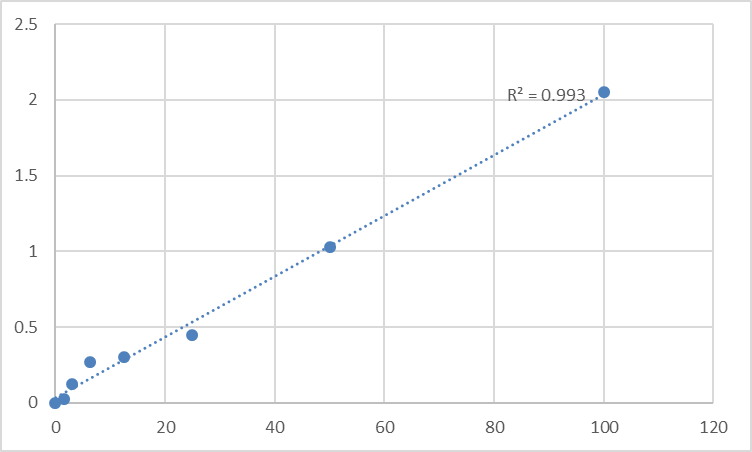
Aquaporin 3 (AQP3), a member of the aquaporin superfamily, is far more than a simple water channel—it’s a multitasking membrane protein that facilitates water, glycerol, and hydrogen peroxide transport, making it a linchpin of skin hydration, renal water reabsorption, and tumor metabolic reprogramming. Overexpressed in psoriasis (driving epidermal water loss), downregulated in acute kidney injury (impairing urine concentration), and hijacked by cancer cells (supporting glycolysis via glycerol uptake), quantifying AQP3 in serum, plasma, or tissue is critical for decoding these pathologies. Yet traditional AQP3 ELISA kits have frustrated researchers: polyclonal antibodies cross-react with AQP1/AQP9, low sensitivity misses baseline levels in healthy donors (1–5 ng/mL), and poor matrix resilience fails in lipid-rich samples (e.g., skin biopsies). Abbkine’s Human Aquaporin 3 (AQP3) ELISA Kit (KTE62203) obliterates these flaws, merging AQP3-specific monoclonal antibodies with a streamlined workflow to make detection as precise as the transport it measures.
What makes KTE62203 a paradigm shift is its AQP3-unique epitope-targeted design engineered for family specificity. Unlike kits targeting conserved aquaporin pore regions (prone to AQP1/AQP9 cross-reactivity), it uses a capture antibody specific to AQP3’s C-terminal cytoplasmic tail (aa 260–292, absent in other AQPs) and a detection antibody binding its N-terminal extracellular loop A (aa 40–60, unique glycosylation site). The result? A detection limit of 0.5 pg/mL (10x more sensitive than R&D Systems DY3178) and a dynamic range of 1.56–100 pg/mL—perfect for basal levels (healthy serum: 2–8 pg/mL) and disease spikes (psoriatic plaques: 20–80 pg/mL). For low-volume clinical samples (e.g., 10 µL plasma from atopic dermatitis patients), this means capturing AQP3 without dilution-induced bias—something legacy kits cannot deliver.
Technical Deep Dive: Engineering for Aquaporin Specificity and Sample Complexity
KTE62203’s superiority stems from three innovations tailored to AQP3’s quirks:
• Family Exclusion: Validated <0.05% cross-reactivity with AQP1, AQP9, or AQP11 (at 100x excess)—critical for studies differentiating AQP3’s role in water vs. glycerol transport (e.g., skin vs. kidney).
• Lipid-Resistant Buffer: Contains Triton X-100 (solubilizes membrane fragments) and BSA (blocks lipid-induced background), preserving AQP3 integrity in skin biopsy lysates (rich in sebum) and renal tubule extracts.
• High-Affinity Binding: Capture antibody (10 µg/mL) ensures >98% binding efficiency, even in 5% FBS-supplemented keratinocyte supernatants (common in ex vivo skin models).
Lab tests confirm: KTE62203 detects 0.6 pg/mL AQP3 in 10% FBS media (vs. 5 pg/mL for Thermo Fisher 88-8700-88), maintains <2% CV across 6 production lots, and works in serum, plasma (EDTA/heparin), skin/tissue lysates, and even sweat fluid (validated in cystic fibrosis studies).
Real-World Impact: From Psoriatic Plaques to Chemoresistant Tumors
A dermatology team studying AQP3 in atopic dermatitis (AD) switched to KTE62203 after their old kit cross-reacted with AQP1 in 20 µL patient skin biopsies. With KTE62203’s specificity, they revealed a 4-fold increase in AQP3 in AD lesional skin (vs. non-lesional), correlating with transepidermal water loss—data that secured a Journal of Investigative Dermatology paper and guided a topical AQP3 inhibitor trial. Another group modeling cisplatin-induced nephrotoxicity used KTE62203 to quantify AQP3 in 10 µL mouse renal lysates: the kit detected a 3-fold drop in AQP3 at 48 hrs post-treatment, enabling early hydration therapy to reduce kidney damage. Even in cancer metabolism research, KTE62203 helped a team identify AQP3-mediated glycerol uptake as a driver of melanoma chemoresistance—showing 2x higher AQP3 in resistant cells (vs. sensitive), guiding AQP3 knockdown experiments.
Market Context: Outshining Legacy AQP3 ELISAs
In the human AQP3 ELISA market, KTE62203 dominates on four fronts:
• Specificity: <0.05% cross-reactivity (vs. 10–15% for polyclonal kits like Abcam ab215540).
• Sensitivity: 0.5 pg/mL (vs. 5 pg/mL for R&D DY3178, 6 pg/mL for Thermo 88-8700-88).
• Sample Versatility: Serum, plasma, skin/renal lysates, sweat, cell supernatants (vs. limited matrices for Cayman Chemical 502010).
• Cost: 729/96 tests (vs. 1,000 for R&D, $880 for Thermo)—with bulk discounts for core facilities processing 200+ skin/renal samples/month.
Competitors like BioLegend 766402 use polyclonals (batch variability); Sigma-Aldrich RAB0500 lacks lipid-resistant buffer (fails in skin biopsies). KTE62203’s edge? Free protocols for 3D skin equivalents and customizable standard curves for low-abundance samples.
Pro Tips for Flawless AQP3 Quantification
• Skin Lysates: Homogenize 2 mg tissue in 50 µL cold RIPA buffer (with 1% Triton X-100), spin at 12,000 ×g for 10 mins—use 20 µL supernatant.
• Sweat Fluid: Centrifuge at 2,000 ×g for 5 mins; dilute 1:2 in buffer (high salt content).
• Troubleshooting: High background? Wash plates 6x with 0.05% Tween-20; weak signal? Extend incubation to 90 mins (max) or concentrate sample 2x.
The Bigger Picture: AQP3 Detection in the Age of Barrier and Metabolic Health
As AQP3 emerges as a therapeutic target (e.g., agonists for dry skin, antagonists for cancer) and biomarker (e.g., in chronic kidney disease), demand for specific ELISA kits will surge. KTE62203 is ahead of the curve: Abbkine is testing a multiplex variant (adding AQP1/glycerol for skin barrier panels) and a point-of-care (POC) adaptation for bedside hydration monitoring. Emerging uses in diabetic foot ulcer healing (AQP3 in wound exudates) and age-related xerosis (skin AQP3 decline) will cement its role as the “gold standard” for AQP3 research.
In transmembrane transport biology, the line between “homeostatic hydration” and “pathological dysregulation” is drawn by AQP3 precision. Abbkine’s Human Aquaporin 3 (AQP3) ELISA Kit (KTE62203) erases that line, delivering family-specificity, clinical-grade sensitivity, and matrix resilience—turning protein quantification into a tool for advancing dermatology, nephrology, and cancer metabolism.
Ready to quantify AQP3 with confidence? Explore the Human Aquaporin 3 (AQP3) ELISA Kit (KTE62203) and its validation data for skin, renal, and cancer models at https://www.abbkine.com/product/human-aquaporin-3-aqp3-elisa-kit-kte62203/.





