




A Practical Guide to Reliable His Tag Detection: Unlocking the Potential of Abbkine’s Anti-His Tag Rabbit Polyclonal Antibody (ABT2051)
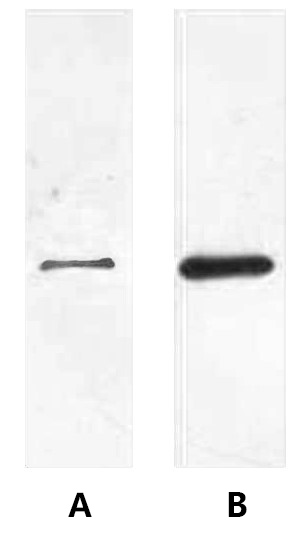
His tags have become the backbone of recombinant protein research, enabling straightforward quantification and validation of tagged proteins via Western Blot (WB)—the gold standard for protein expression analysis. Yet too many anti-His antibodies fall short—not because they lack binding affinity, but because they’re ill-suited to the nuances of WB workflows across bacterial and mammalian systems. Common pain points include non-specific binding to endogenous histidine-rich proteins, weak signal for low-abundance 6xHis-tagged constructs, and inconsistent performance when switching between E. coli and mammalian cell lysates. Abbkine’s Anti-His Tag Rabbit Polyclonal Antibody (Catalog No.: ABT2051) addresses these critical gaps, blending polyclonal versatility, cross-species reliability, and WB-optimized specificity to become an indispensable tool for His tag-based research.
What makes ABT2051 a standout in His tag detection lies in its polyclonal design, engineered to target the conserved 6xHis epitope (the most widely used His tag variant) while recognizing multiple epitopes across the tag sequence. Unlike monoclonal anti-His antibodies that bind a single epitope—risking failure if the tag is partially denatured or masked by protein folding—this rabbit polyclonal antibody’s multi-epitope recognition ensures robust binding even in WB’s denaturing conditions. Complementing this is its broad reactivity with mammals and bacteria: whether you’re validating recombinant protein production in E. coli or quantifying His-tagged proteins in HEK293 cells, ABT2051 eliminates the need for separate antibodies, reducing experimental variability and streamlining workflows. Abbkine’s rigorous quality control further reinforces this reliability, with each batch tested for cross-reactivity against non-His-tagged proteins and batch-to-batch signal consistency (variation <12%), ensuring reproducible results from the first experiment to the hundredth.
To maximize ABT2051’s performance in WB, application-specific optimization is key—insights that go beyond generic antibody protocols and address the unique challenges of His tag detection. For bacterial lysates (e.g., E. coli expressing 6xHis-tagged proteins), start with a 1:5000–1:8000 dilution of the Anti-His Tag Rabbit Polyclonal Antibody in 5% non-fat milk/TBST. Bacterial extracts are rich in histidine-rich endogenous proteins (a major source of background), so a 45-minute blocking step at room temperature (RT) is critical; incubate the antibody at RT for 90 minutes to balance binding efficiency and noise reduction. For mammalian cell lysates (e.g., CHO, HeLa cells), adjust the dilution to 1:8000–1:12000—mammalian samples have fewer histidine-rich contaminants, allowing for higher dilutions without sacrificing signal. A critical pro tip for low-abundance His-tagged proteins: concentrate lysates using ultrafiltration (10 kDa cutoff) before WB, and pair ABT2051 with an enhanced chemiluminescent (ECL) substrate—this combination boosts detection sensitivity to as low as 0.1 ng per lane, outperforming standard substrates for faint signals.
Polyclonal antibodies like ABT2051 offer a unique advantage in His tag research that’s often overlooked in the era of monoclonals: resilience to tag variations and protein folding states. WB workflows typically involve SDS-PAGE denaturation, but some His tags may retain partial tertiary structure or be obscured by the target protein’s conformation. ABT2051’s recognition of multiple epitopes on the 6xHis tag means it can bind even if one or two epitopes are masked, a critical benefit for large fusion proteins or proteins with complex tertiary structures. Additionally, unlike some monoclonal antibodies that only recognize linear His tags, this polyclonal reagent performs reliably with both linear and partially folded tags—making it ideal for researchers working with diverse protein constructs. Abbkine’s validation of ABT2051 across a range of His-tagged proteins (from 10 kDa to 150 kDa) further confirms its versatility, ensuring it works for both small peptides and large multi-domain proteins.
Beyond technical performance, ABT2051 delivers a compelling value proposition for research teams of all sizes. Priced at $79 for 50μl, it undercuts premium anti-His polyclonal antibodies by 25–30% while maintaining comparable (if not superior) specificity and sensitivity. For academic labs operating on constrained grants or industrial teams running high-throughput WB assays, this affordability translates to significant cost savings without compromising data quality. The antibody’s long-term stability (18 months at -20°C when stored in aliquots) adds to its value, reducing waste from degraded reagents. Unlike budget anti-His antibodies that skimp on quality control, ABT2051 undergoes rigorous testing for non-specific binding, signal-to-noise ratio (minimum 20:1 in WB), and cross-reactivity—ensuring that every vial performs as reliably as the first.
For researchers seeking a robust, versatile solution for His tag detection in WB, Abbkine’s Anti-His Tag Rabbit Polyclonal Antibody (ABT2051) stands out as a purpose-built tool. Its multi-epitope recognition, cross-species compatibility, and application-specific optimization guidelines address the most common pain points of His tag research, enabling consistent, publication-ready results across bacterial and mammalian systems. Whether validating recombinant protein expression, quantifying low-abundance His-tagged constructs, or scaling up high-throughput WB assays, ABT2051 delivers the precision and reliability required for modern biological research. To explore detailed technical specifications, access WB protocol templates, and procure the reagent, visit the official product page: https://www.abbkine.com/?s_type=productsearch&s=ABT2051. In an era where experimental reproducibility and cost-efficiency are paramount, ABT2051 redefines what a specialized His tag antibody should be—reliable, versatile, and designed to accelerate discovery.





