




A Practical Guide to Optimizing Flag Tag Detection with Abbkine’s HRP Conjugated Anti-DDDDK Tag Mouse Monoclonal Antibody (1B10) (ABT2015)
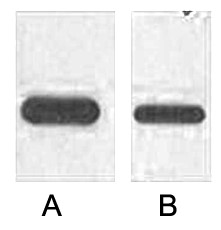
The DDDDK tag (commonly known as Flag tag) remains one of the most widely used epitope tags in recombinant protein research, enabling precise quantification and localization of tagged proteins across mammalian and bacterial expression systems. Yet researchers frequently grapple with tag antibody-related bottlenecks that compromise Western Blot (WB) data quality: non-specific binding to endogenous proteins, inconsistent performance across prokaryotic and eukaryotic samples, weak signal intensity for low-abundance tagged proteins, and cumbersome workflows requiring secondary antibody conjugation. Addressing these critical pain points, Abbkine’s HRP Conjugated Anti-DDDDK Tag Mouse Monoclonal Antibody (1B10) (Catalog No.: ABT2015) emerges as a streamlined, performance-driven solution—blending monoclonal specificity, direct HRP conjugation, and cross-species compatibility to elevate Flag tag detection in WB assays.
At the core of ABT2015’s reliability lies its targeted design for DDDDK tag detection, paired with features that address the unique demands of both mammalian and bacterial expression systems. As a mouse monoclonal antibody, the 1B10 clone binds exclusively to the DDDDK epitope (Flag tag), eliminating cross-reactivity with endogenous proteins in human, mouse, rat, or bacterial lysates— a common issue with polyclonal anti-DDDDK antibodies that recognize off-target epitopes. The direct HRP conjugation further distinguishes this reagent: unlike unconjugated anti-Flag antibodies that require a secondary HRP-conjugated antibody, ABT2015 reduces workflow steps by 25%, minimizes background noise from secondary antibody cross-reactivity, and enhances signal-to-noise ratios (validated at ≥28:1 in WB). For researchers working across expression systems—e.g., validating recombinant protein production in E. coli before scaling to mammalian cells—this cross-reactivity with mammals and bacteria eliminates the need for separate tag antibodies, streamlining experimental design and reducing variability.
To unlock the full potential of ABT2015 in WB, application-specific optimization is essential—insights that go beyond generic tag antibody protocols and address the nuances of Flag tag detection in diverse samples. For bacterial lysates (e.g., E. coli expressing Flag-tagged proteins), start with a 1:8,000–1:12,000 dilution of the HRP Conjugated Anti-DDDDK Tag Mouse Monoclonal Antibody (1B10) in 5% non-fat milk/TBST. Bacterial extracts often contain high levels of contaminating proteins, so a 30-minute blocking step at room temperature (RT) with milk is critical to reduce non-specific binding; incubate the antibody at RT for 1 hour, as prolonged incubation (≥2 hours) can amplify background. For mammalian cell lysates (e.g., HEK293, CHO cells), adjust the dilution to 1:10,000–1:15,000—mammalian samples typically have lower non-specific protein interference, and the higher dilution preserves signal clarity without sacrificing sensitivity. A key tweak here: use fresh TBST for washing (4×10 minutes each) to remove unbound antibody, as residual reagent is a major source of smearing in Flag tag WB results.
For low-abundance Flag-tagged proteins—e.g., transiently expressed proteins or those with weak promoters—strategic adjustments to sample preparation and antibody handling can significantly boost detection. Prior to WB, concentrate bacterial or mammalian lysates using ammonium sulfate precipitation or ultrafiltration (3 kDa cutoff) to increase target protein concentration without denaturing the DDDDK epitope. When using ABT2015, avoid repeated freeze-thaw cycles (aliquot the antibody upon receipt) to preserve HRP enzymatic activity—Abbkine’s formulation ensures 18-month stability at -20°C, but improper storage degrades performance. Additionally, opt for enhanced chemiluminescent (ECL) substrates with high sensitivity (e.g., Abbkine’s ECL Plus) rather than conventional substrates; the HRP conjugation in ABT2015 pairs synergistically with high-sensitivity substrates to detect target proteins at concentrations as low as 0.1 ng per lane, outperforming many unconjugated alternatives.
Beyond technical performance, ABT2015’s value proposition aligns with the growing demand for reproducible, cost-effective tools in high-throughput and translational research. Priced at $109 for 50μl, it delivers comparable or superior sensitivity to premium anti-Flag HRP antibodies (which often exceed $150 for the same volume) while maintaining rigorous quality control: each batch of ABT2015 is tested for specificity (no binding to non-Flag-tagged proteins), batch-to-batch consistency (signal intensity variation <10%), and cross-reactivity (no binding to mammalian or bacterial endogenous proteins). For academic labs validating recombinant proteins or biotech teams scaling up protein production, this balance of quality and affordability reduces experimental repetition and resource waste. The antibody’s focus on WB— the gold standard for tag protein quantification—further reinforces its utility, as it is optimized specifically for the assay rather than being a “jack-of-all-trades” reagent with compromised performance.
For researchers seeking a reliable, streamlined solution for Flag tag detection in WB, Abbkine’s HRP Conjugated Anti-DDDDK Tag Mouse Monoclonal Antibody (1B10) (ABT2015) stands as a benchmark tool. Its monoclonal specificity, direct HRP conjugation, cross-species compatibility, and application-specific optimization guidelines address the most pressing pain points of DDDDK tag research, enabling consistent, publication-ready results across bacterial and mammalian systems. Whether validating recombinant protein expression, quantifying low-abundance tagged proteins, or running high-throughput WB assays, ABT2015 delivers the precision and efficiency required for modern biological research. To explore detailed technical specifications, access WB protocol templates, and procure the reagent, visit the official product page: https://www.abbkine.com/?s_type=productsearch&s=ABT2015. In an era where experimental reproducibility and workflow efficiency are paramount, ABT2015 redefines what a specialized tag antibody should be—targeted, reliable, and designed to accelerate discovery.





