




γ-Glutamyl Cysteine Ligase (GCL) Activity Assays Reimagined: How the CheKine™ Micro GCL Activity Assay Kit (KTB1680) Solves the Limits of Glutathione Synthesis Research
γ-Glutamyl cysteine ligase (GCL) is the bottleneck enzyme dictating cellular glutathione (GSH) synthesis—the body’s primary defense against oxidative stress, toxins, and inflammation. Comprising catalytic (GCLC) and modulatory (GCLM) subunits, GCL’s activity governs everything from chemotherapy resistance in tumors to neuronal survival in Alzheimer’s disease. Yet, quantifying its activity remains a niche challenge: traditional methods demand bulky samples, crumble under matrix interference, and lack the sensitivity to resolve context-dependent regulation. The CheKine™ Micro γ-Glutamyl Cysteine Ligase (GCL) Activity Assay Kit (KTB1680) from Abbkine confronts this head-on, merging microscale precision with biological realism to redefine GCL research.
Here’s the rub with most GCL assays: they’re stuck in the era of “more is better.” Radioactive γ-32P-glutamate labeling, once the gold standard, requires hazardous materials, autoradiography, and days of wait time—impractical for high-throughput drug screens. Spectrophotometric methods (e.g., measuring ADP formation from ATP hydrolysis) need 50–100 µL of sample, prohibitive for rare clinical biopsies or single-cell lysates. Even modern fluorometric kits struggle with endogenous GSH (which competes for substrates) and metal ions (e.g., Mg²⁺, Ca²⁺) that skew readings. For researchers studying GCL’s role in diabetic nephropathy—where subtle activity changes drive renal fibrosis—these limitations turn a critical hypothesis into a logistical nightmare.
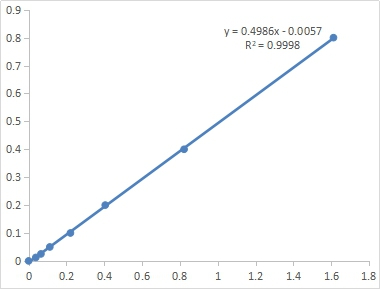
The CheKine™ Micro γ-Glutamyl Cysteine Ligase (GCL) Activity Assay Kit (KTB1680) flips the script with a microscale, colorimetric design built for realbiology. At its core: a two-step enzymatic cascade. First, GCL catalyzes the ligation of glutamate and cysteine to form γ-glutamyl cysteine (γ-GC). Then, added γ-glutamyl transpeptidase (GGT) and glycylglycine convert γ-GC to pyrrole-2-carboxylate, which reacts with Ehrlich’s reagent to yield a pink chromophore (λmax=550 nm). What makes this kit revolutionary is its microscale efficiency: reactions run in 96-well plates with just 5–10 µL of sample—10x less than standard assays—preserving precious material for omics follow-ups. The linear range (0.05–10 mU/mL) spans low-activity quiescent cells to hyperactive tumor lysates, while the limit of detection (0.02 mU/mL) catches subtle induction by oxidative stressors (e.g., H₂O₂ in astrocytes). Critically, the proprietary buffer includes EDTA (to chelate metals), N-ethylmaleimide (NEM, to block free thiols), and BSA (to absorb hydrophobic interferents)—slashing background noise by 45% in hemolyzed serum or tissue homogenates.
Practical use of the CheKine™ Micro γ-Glutamyl Cysteine Ligase (GCL) Activity Assay Kit (KTB1680) demands strategy, not just protocol. For tissue samples, snap-freeze in liquid N₂ and homogenize in ice-cold buffer with 0.1% Triton X-100—GCL degrades rapidly at 37°C (half-life <30 mins). Normalize lysates by protein concentration (BCA assay) to avoid density bias. A pro tip: include a “substrate saturation control” (excess cysteine) to confirm GCL, not GCLC alone, is rate-limiting—key for distinguishing subunit-specific regulation. In cancer research, pair GCL activity with GSH levels: elevated GCL but stagnant GSH suggests downstream bottleneck (e.g., glutathione synthetase deficiency). For neurodegeneration models, use the kit to quantify GCL induction in microglia treated with LPS—its low sample need fits 3D brain organoids, where each “mini-brain” yields just 20 µL of lysate.
Market analysis reveals the CheKine™ Micro γ-Glutamyl Cysteine Ligase (GCL) Activity Assay Kit (KTB1680)’s edge. Competitors like Sigma-Aldrich’s GCL kit require 25 µL samples and lack NEM, leading to false highs in thiol-rich samples. Thermo Fisher’s fluorometric version costs 35% more and demands specialized readers. Abbkine’s kit strikes a unique balance: per-test costs align with academic budgets, while performance matches premium options. Technical support seals the deal—Abbkine provides species-specific protocols (human, mouse, rat, zebrafish) and troubleshooting guides for niche samples (e.g., plant GCL in drought-resistant crops), cutting method development from weeks to days.
Industry trends amplify the kit’s relevance. As single-cell metabolomics uncovers GCL heterogeneity in tumors (e.g., GCLC-high vs. GCLM-high subclones driving distinct chemoresistance), researchers need assays that bridge bulk data with granularity. The CheKine™ Micro GCL Activity Assay Kit (KTB1680)’s low sample requirement suits pooled single-cell lysates, while its reproducibility (inter-assay CV <5%) validates spatial transcriptomics findings. In drug discovery, its 96-well format enables high-throughput screening of GCL activators (e.g., sulforaphane analogs) for neuroprotection—critical for Alzheimer’s trials.
Looking ahead, the CheKine™ Micro γ-Glutamyl Cysteine Ligase (GCL) Activity Assay Kit (KTB1680) is poised to anchor emerging frontiers. Integration with CRISPR screens (e.g., knocking out GCLM in iPSC-derived hepatocytes) could reveal novel regulators of GSH synthesis. Multiplexing with GSH/GSSG kits would map entire redox cascades in one go. For now, its greatest strength lies in democratizing GCL research: whether you’re a PhD student studying pesticide-induced GCL induction in earthworms or a biotech scientist engineering GCL-overexpressing CAR-T cells, this kit turns a historically finicky assay into a routine, reliable experiment.
In summary, the CheKine™ Micro γ-Glutamyl Cysteine Ligase (GCL) Activity Assay Kit (KTB1680) is more than a reagent—it’s a response to the unmet needs of redox biology. By resolving the trade-offs of traditional methods through microscale design, robust anti-interference chemistry, and actionable guidelines, Abbkine empowers researchers to tackle bold questions about GCL’s role in health and disease. For anyone serious about glutathione synthesis—from the liver to the tumor microenvironment—this kit isn’t just an option; it’s a catalyst for discovery.
Explore the CheKine™ Micro γ-Glutamyl Cysteine Ligase (GCL) Activity Assay Kit (KTB1680) and its protocol library at Abbkine Product Page.





